
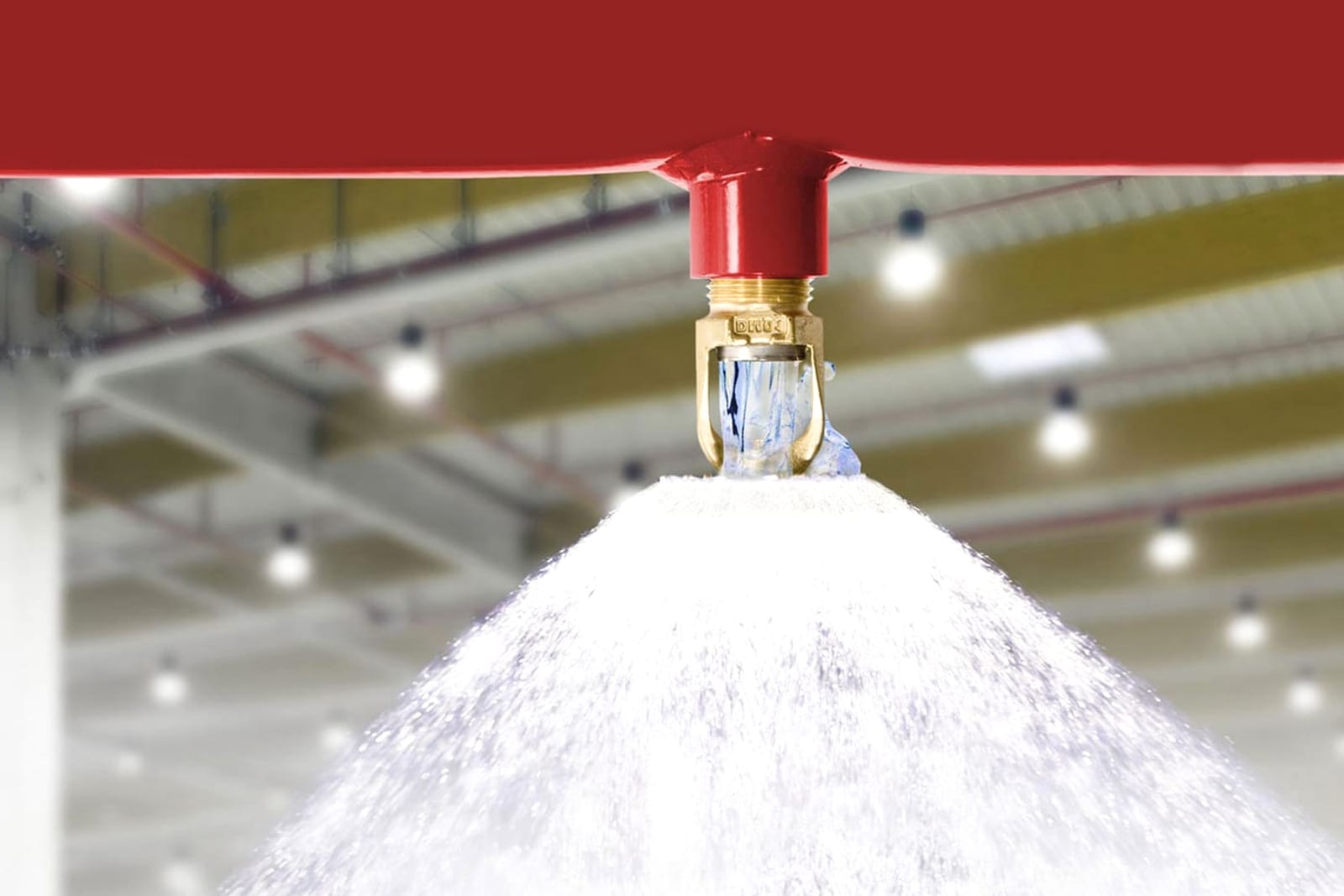
The answer to this issue is consolidated in a single article: Regulation on Fire Protection of Buildings, Article 96Below we provide each paragraph of the article with its threshold value, and we explain the points most frequently confused in the field — the difference between building height and structure height, the existing building condition, and parking lot calculation.
Article 96: Mandatory Installation List
| Item | Scope | Threshold |
|---|---|---|
| a | All buildings other than residential dwellings | Building height 30.50 mexceeding |
| b | Residential dwellings | Building height 51.50 mexceeding |
| c | Enclosed parking structures | Total area 600 m²exceeding, and more than 10 vehicles in enclosed parking structures served by elevator |
| ç | Otel, yurt, pansiyon, misafirhane; bütün yataklı tesisler | Birden fazla katlı bina içinde 100’den çok odası ya da 200’den çok yatağı olan otel, yurt, pansiyon ve misafirhane; ayrıca yapı yüksekliği 21.50 m’yi aşan bütün yataklı tesisler |
| d | Multi-story stores, shopping, commercial and entertainment venues | Total area 2000 m²exceeding |
| e | Buildings in which highly flammable and explosive materials are produced/stored | Total area 1000 m²exceeding |
Liste, yeni yapılan binalar ile kullanım amacı Madde 138/1’de sayılan kullanımlara (sağlık, kreş, okul, konaklama, eğlence yeri vb.) çevrilen binalar için bağlayıcıdır. 19/12/2007’den önce ruhsat almış mevcut binalarda ise sprinkler, bir tadilat ya da kullanım değişikliği beklenmeden Madde 165’teki ayrı eşiklere göre aranır; bu eşikler yeni bina listesinden farklıdır (ör. kapalı otoparkta 600 değil 1000 m²). Eşiklerin tamamı yangın söndürme sistemi zorunlu mu sayfasının mevcut binalar bölümünde. Binanız sınırda ise kararı tabela bilgisiyle değil, ölçüyle verin — keşifte bunu hesaplayıp yazılı bildiriyoruz.
The Most Common Point of Confusion: Building Height
Items (a) and (b) of Article 96 are determined by building height . The definitions in the regulation differ: building height is measured from the point where the building level is established to the eave level; building structure height is the total height of all stories including basement levels. In a building with two basements, the difference can reach 6–8 meters — meaning an operator saying "our building is 28 meters, we're safe" may actually exceed the threshold when building structure height is calculated. When discussing with your designer, always clarify which height is being referenced.
Caution in Parking Garage Calculation: "Total of Areas"
Item (c) considers not a single level but the total of enclosed parking structure areas exceeding 600 m². A parking garage of 2×350 m² spread across two basement levels exceeds the threshold. In a parking garage, obligation does not end with sprinklers alone; the regulation also requires fire cabinets and fire department water intake connections in the same areas; in enclosed parking structures exceeding 2000 m², mechanical smoke exhaust comes into play.
What Sprinkler Obligation Brings
A building triggering Article 96 does not merely install pipes and heads; it must also establish the infrastructure that guarantees system operation:
- Water tank — sized to supply the design flow rate for the duration specified in the regulation,
- Fire pump group — electric plus diesel backup arrangement and weekly test regime (see fire pump maintenance),
- Periodic testing and maintenance — following the weekly/monthly/annual schedule of TS EN 12845 (see sprinkler maintenance).
If you are curious how the design is calculated, sprinkler systems guide and our hydraulic calculation article goes into detail.
If Not Mandatory, Is It Unnecessary?
No. Article 96 sets the minimum threshold; insurance companies and international customer audits (especially at export-oriented facilities) often require sprinklers in buildings below the threshold. A warehouse with high fire load, even if below the regulatory threshold, may justify sprinkler investment based on risk assessment. When making this decision, compare the cost of both scenarios — with and without system — including insurance premiums side by side.
Is Your Building in Scope? Clarify with a Survey
ASPEK designs and installs sprinkler systems to TS EN 12845 and takes on their periodic maintenance. To clarify where your building stands under Article 96, write to us via our contact page or call +90 312 385 15 66 — surveys within Ankara are free of charge, and we serve throughout Turkey.
Frequently Asked Questions
My covered parking is below 600 m²; is sprinkler not required?
Clause (c) considers total area and number of vehicles using elevators: if the total area is below 600 m² and more than 10 vehicles are not lifted by elevator, it does not fall within the scope of Article 96. However, if the entire building is covered by another clause (for example, building height), the parking becomes part of the system.
Is my apartment building 14 stories; is sprinkler mandatory?
For residential buildings, the building height threshold is 51.50 m; a typical 14-story apartment building remains below this threshold. However, basement levels are included in building height, and ground-level shops and covered parking exceeding 600 m² may fall within coverage under separate clauses — the decision is made by examining the entire building.
My building is old; does Article 96 apply to me?
Madde 96 değil, Madde 165 bağlar: 19/12/2007’den önce ruhsat almış binada sprinkler, tadilat beklenmeden bu maddenin kendi eşiklerine göre aranır ve eşikler yeni bina listesinden farklıdır; ör. kapalı otoparkta 1000 m², büro binasında 51,50 m yapı yüksekliği. Kullanım amacı hastane, kreş, okul ya da otel gibi kullanımlara çevrilen binada yeni bina eşikleri (Madde 96) uygulanır. Ancak itfaiye uygunluk denetimi ve sigorta değerlendirmeleri mevcut binada da sprinkler eksikliğini bulgu olarak yazabilir; durumu keşifle netleştirmek en sağlıklısıdır.
My hotel has 80 rooms; is sprinkler required?
Bent (ç), birden fazla katlı binalar için iki eşik verir: yatılan oda sayısı 100’ü veya yatak sayısı 200’ü geçmek. 80 odalı bir otel oda eşiğinin altındadır; ancak birden fazla katlı binada yatak sayısı 200’ü geçiyorsa ya da yapı yüksekliği 21,50 m’den fazlaysa kapsama girer. Otellerde bu hesap oda tiplerine göre değiştiği için keşifte yatak envanteri çıkarılır.
Is the job finished once sprinkler is installed?
No — the regulation also requires the installed system to undergo periodic testing and maintenance (Article 100). The weekly pump test, the quarterly alarm valve check and the annual comprehensive maintenance follow the TS EN 12845 schedule; an unmaintained sprinkler system is a finding at inspection and a risk in a fire.