
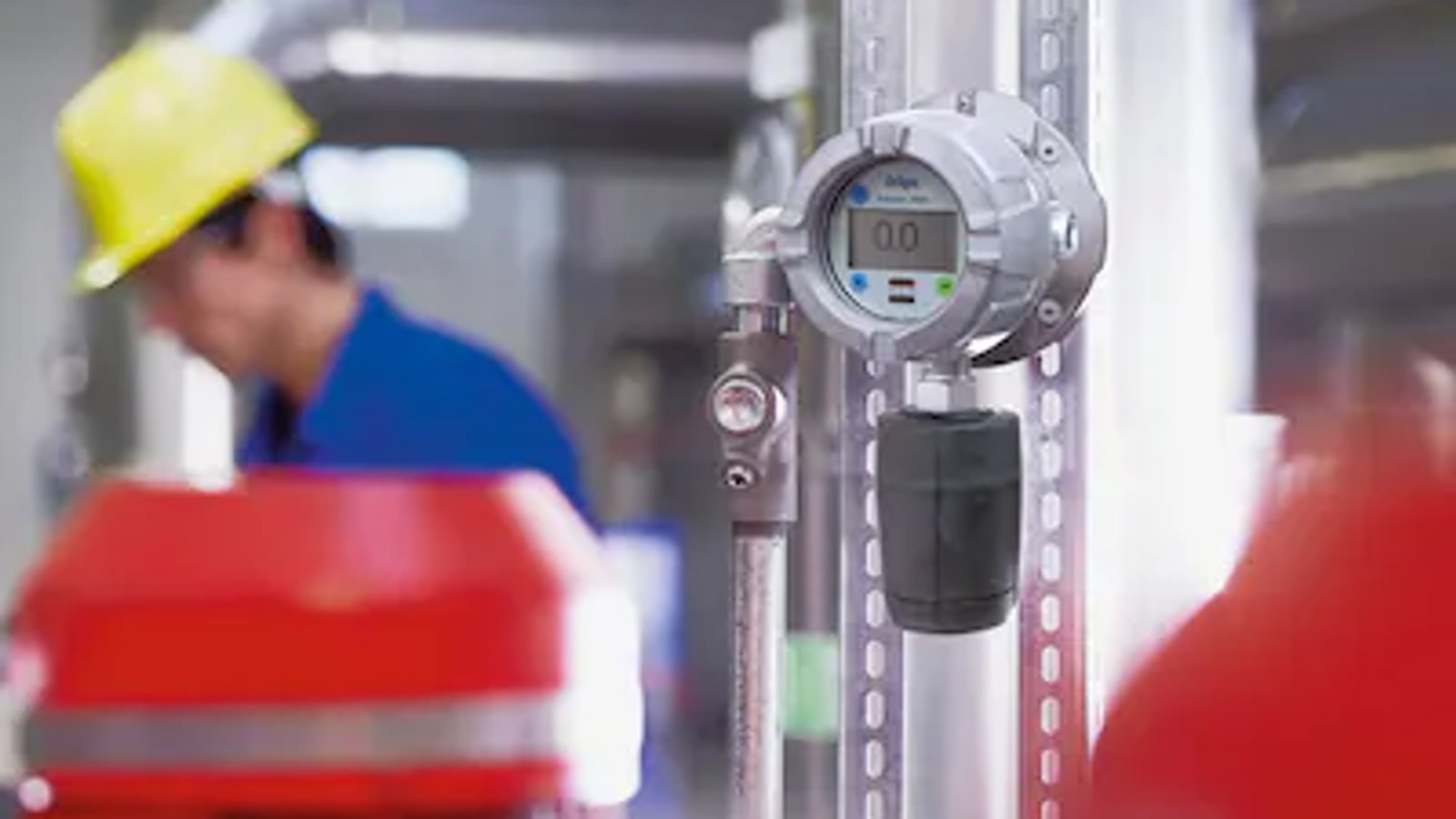
Gas detection system selection: which gas, which sensor, where to mount?
Gas detection involves three separate hazards and each requires different measurement logic: flammable gases that carry explosion risk (natural gas, LPG, hydrogen), gases that are toxic even in small quantities (carbon monoxide, hydrogen sulfide, ammonia), and oxygen level depletion. "Gas detector" should not be understood as a single device; what gas you measure, at what threshold, and where you measure it determines the entire system.

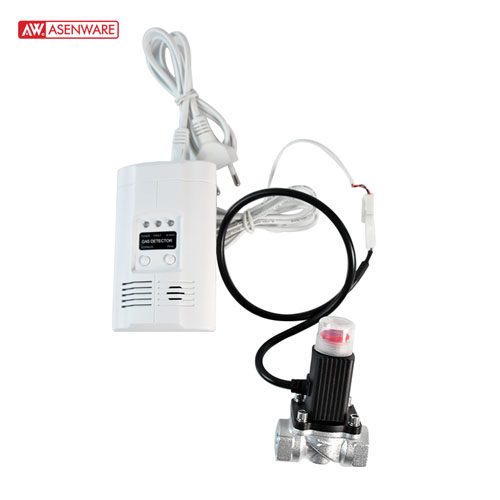
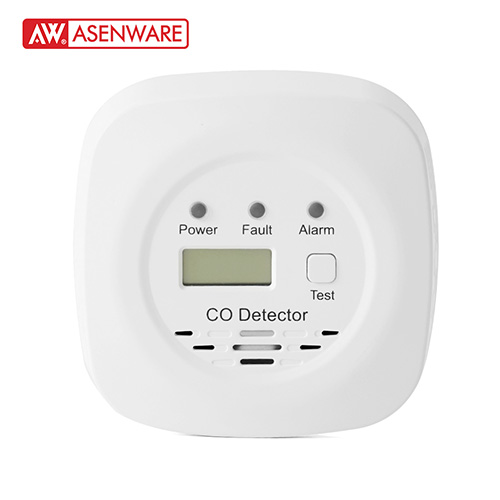


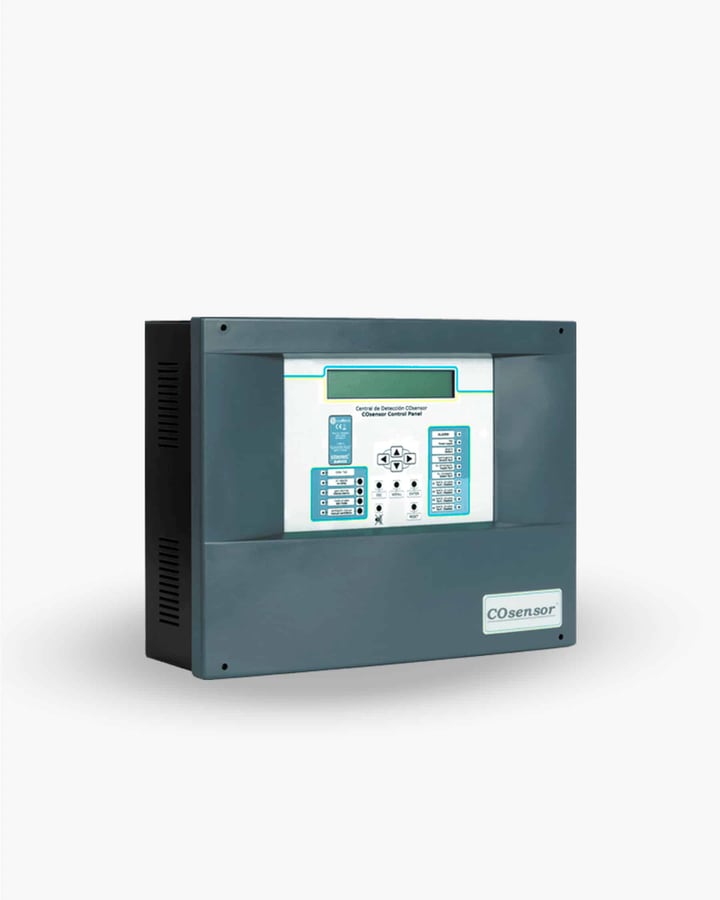

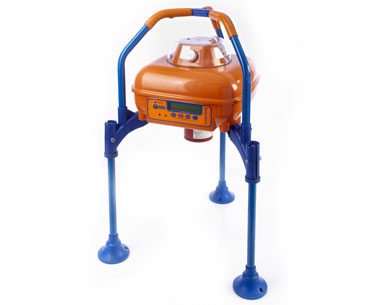
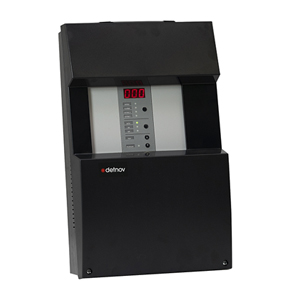
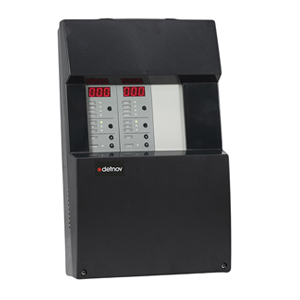













Selection guide and FAQ
Sensor technologies and areas of use
| Sensor | What it measures | Its strength | Its limitation |
|---|---|---|---|
| Catalytic (pellistor) | Flammable gas (% LEL) | Wide range of combustible gases, economical | Requires oxygen; silicon and lead vapor poisoning of sensor |
| Infrared (IR) | Combustible gas, CO₂ | Poison-resistant, operates in oxygen-free environments, long service life | Cannot detect hydrogen; high initial investment |
| Electrochemical | Toxic gas (ppm), oxygen | High sensitivity at low concentrations | Limited lifespan (typical 2–3 years), affected by temperature |
| Semiconductor (MOS) | Combustible and some toxic gases | Inexpensive, durable | Poor selectivity — can be confused by other vapors |
| Photoionization (PID) | Volatile organic compounds (VOC) | Detects very low concentrations | Sensitive to humidity and dust, requires special application |
Where is the detector mounted? Gas density determines this
The most common error we see in the field is installing all detectors at the same height. If the gas is lighter than air, it rises; if heavier, it settles to the floor; a detector at the wrong height may not detect a leak at all.
| Gas | Relative to air | Installation height | Typical location |
|---|---|---|---|
| Natural gas (methane) | Light — rises | Near ceiling, within 30 cm below | Boiler room, kitchen, heating center |
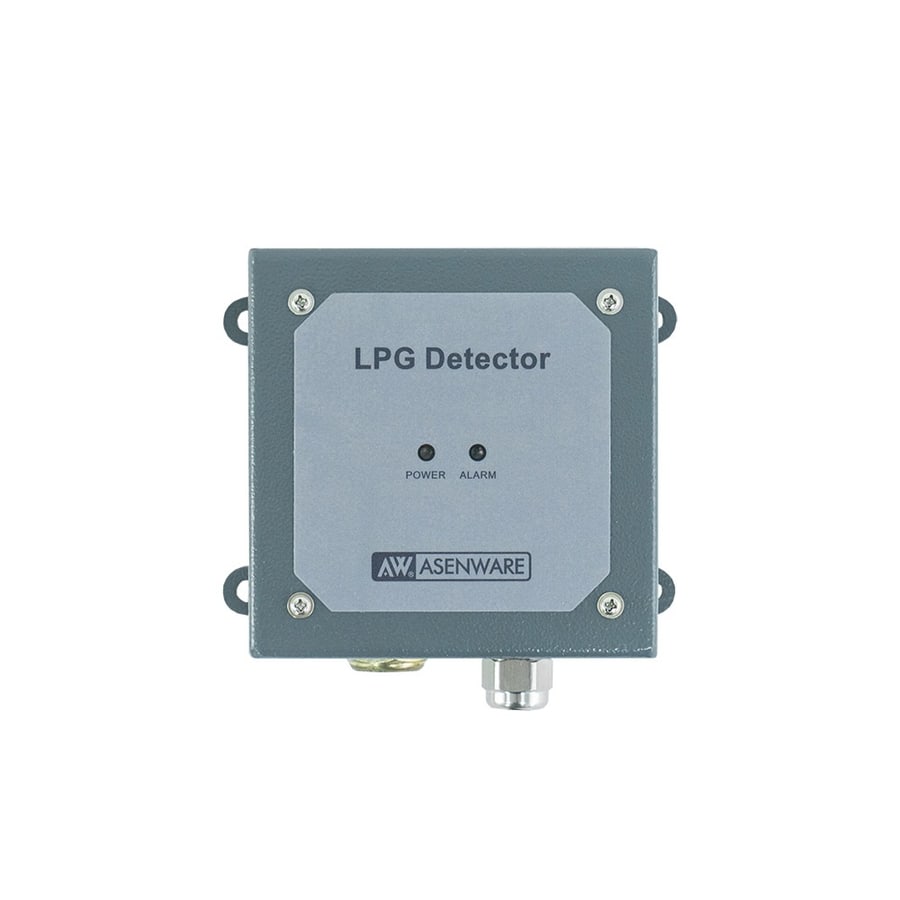
| LPG (propane/butane) | Heavy — settles | Near floor level, above 30 cm | LPG kitchen, storage, filling area |
| Carbon monoxide (CO) | Near air level | Breathing level, approximately 1.5 m | Enclosed parking, generator room, garage |
| Hydrogen (H₂) | Very light — rises rapidly | At ceiling, in pocket formation points | Battery charging room, UPS room |
| Ammonia (NH₃) | Light | Near ceiling | Refrigeration facility, engine room |
| Hydrogen sulfide (H₂S) | Heavy — settles | Near floor | Wastewater, treatment, well and manhole |
Design considerations
- Threshold values are set in two levels: for flammable gas typically warning at 20% LEL, alarm and intervention at 40% LEL. For toxic gas, thresholds are determined in ppm based on exposure limits.
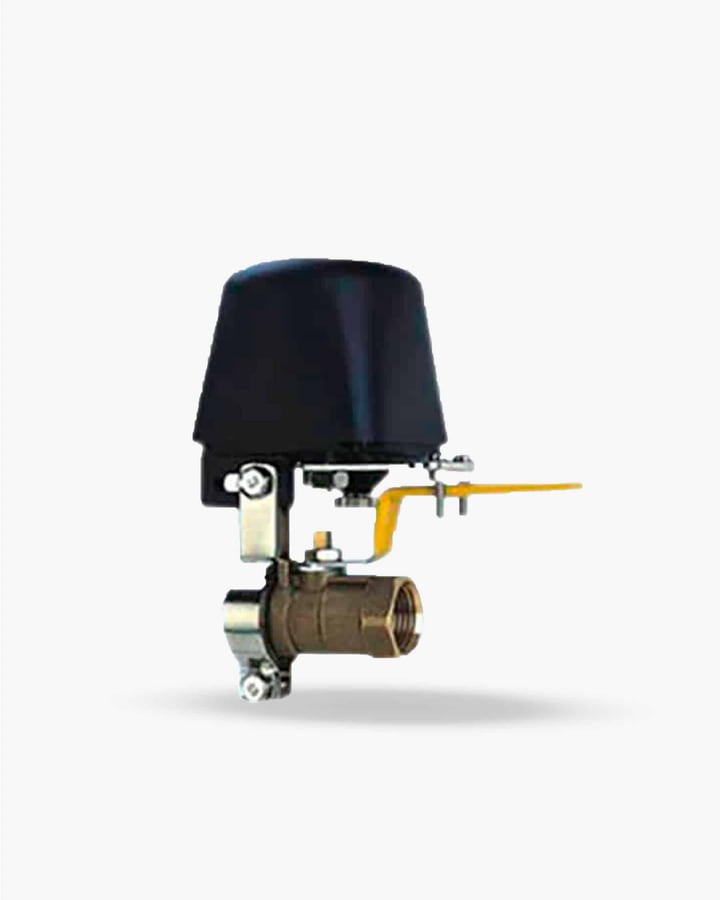
- Alarm should not only provide audible warning, but should trigger an action: gas inlet shut-off via solenoid valve, fan activation, electrical cut-off if necessary. A system that only sounds a horn is an incomplete system.
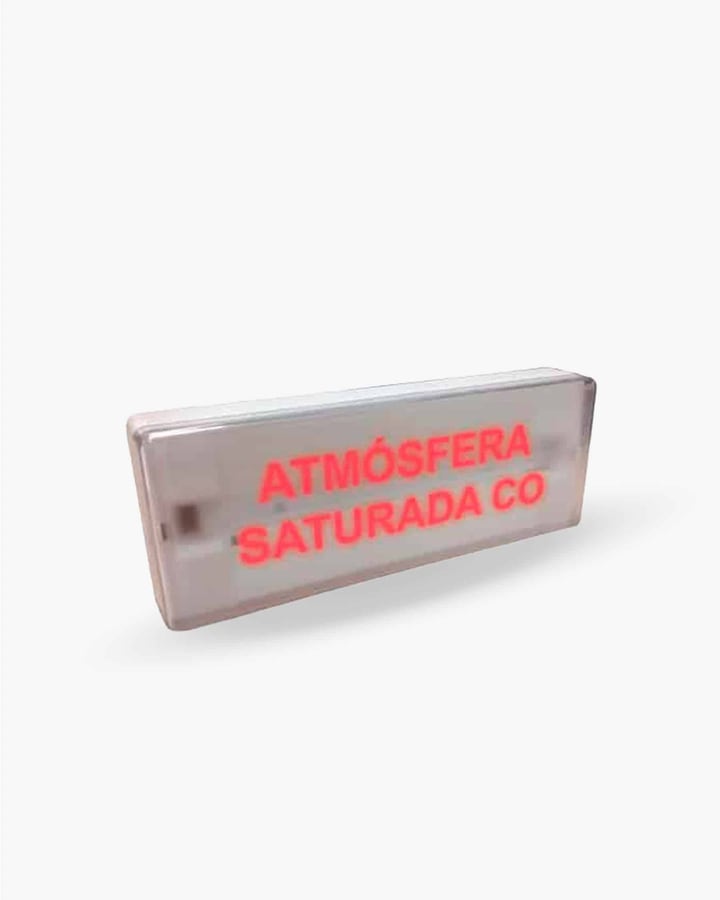
- CO detection in enclosed parking garages operates in conjunction with jet fan/ventilation control; operating the fan based on gas level rather than running it continuously significantly reduces energy consumption. In parking garages with LPG-fueled vehicle risk, an additional LPG detector is installed at floor level.
- In areas classified as explosive atmospheres (filling stations, paint booths, battery rooms), detectors and cabling must comply with Ex-proof/ATEX requirements; standard equipment cannot be used in such areas.
- Calibration is not optional maintenance: sensors drift over time. Manufacturers typically require gas calibration every 6–12 months. A detector that is not calibrated may miss a leak while appearing to function properly.
- Sensor lifespan is finite (typically 2–3 years for electrochemical sensors). When the system is commissioned, a sensor replacement schedule must be planned and documented in the maintenance contract.
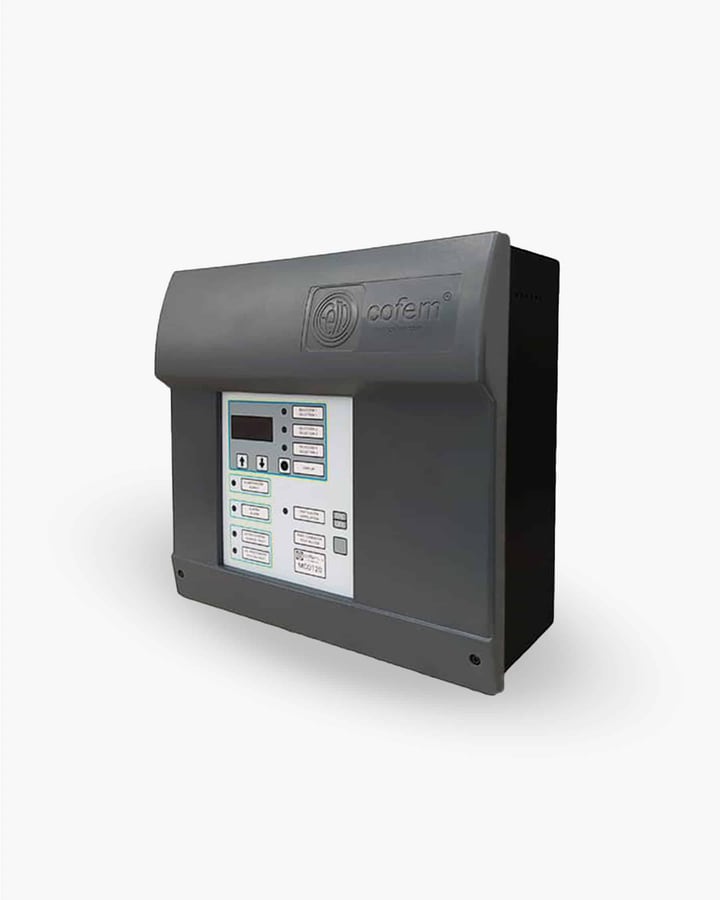
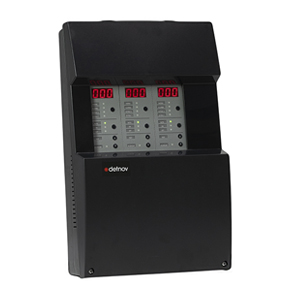
- Central panel installation (addressable/analog) shows which specific point is alarming compared to independent devices per detector; in large facilities, this difference reduces response time.
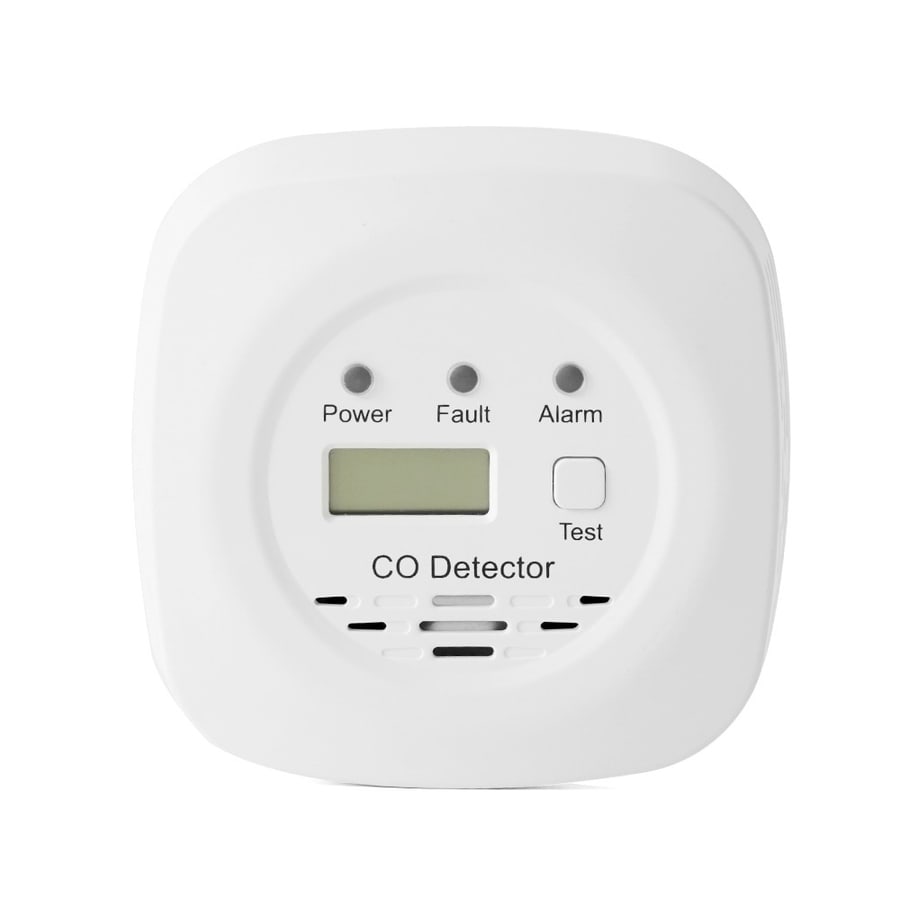
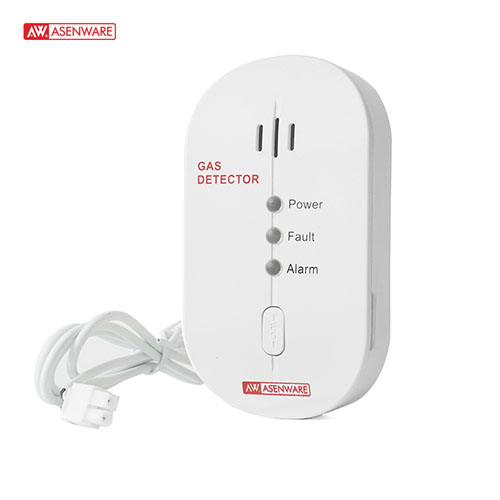
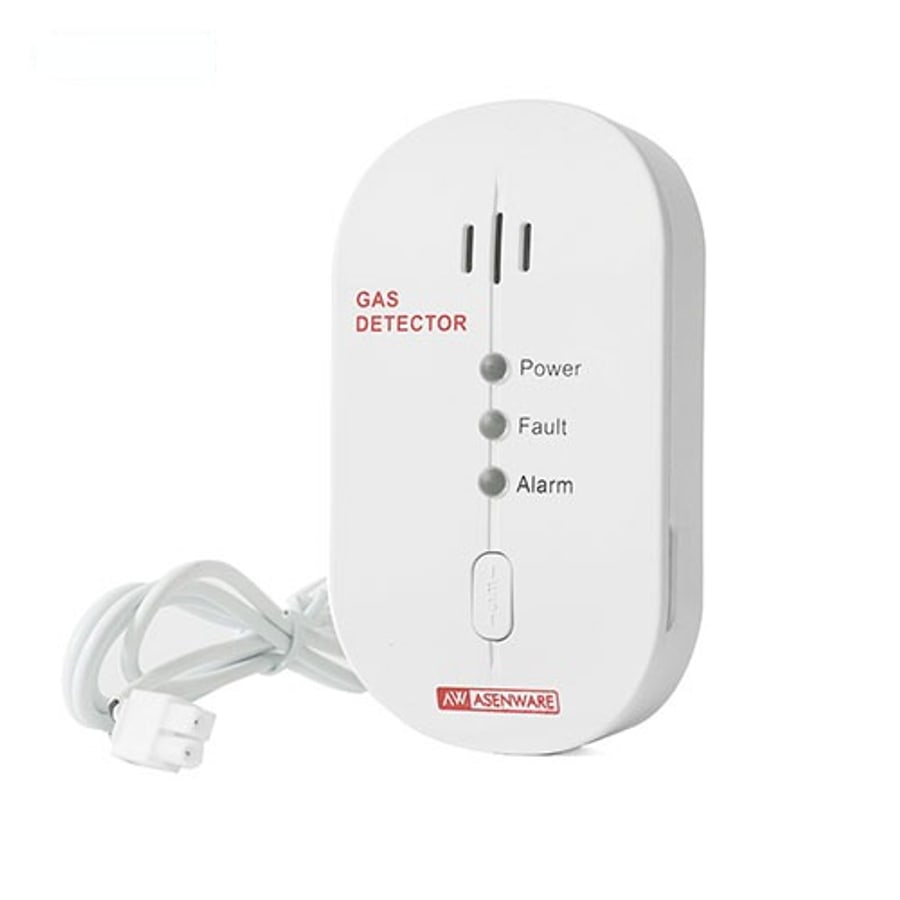
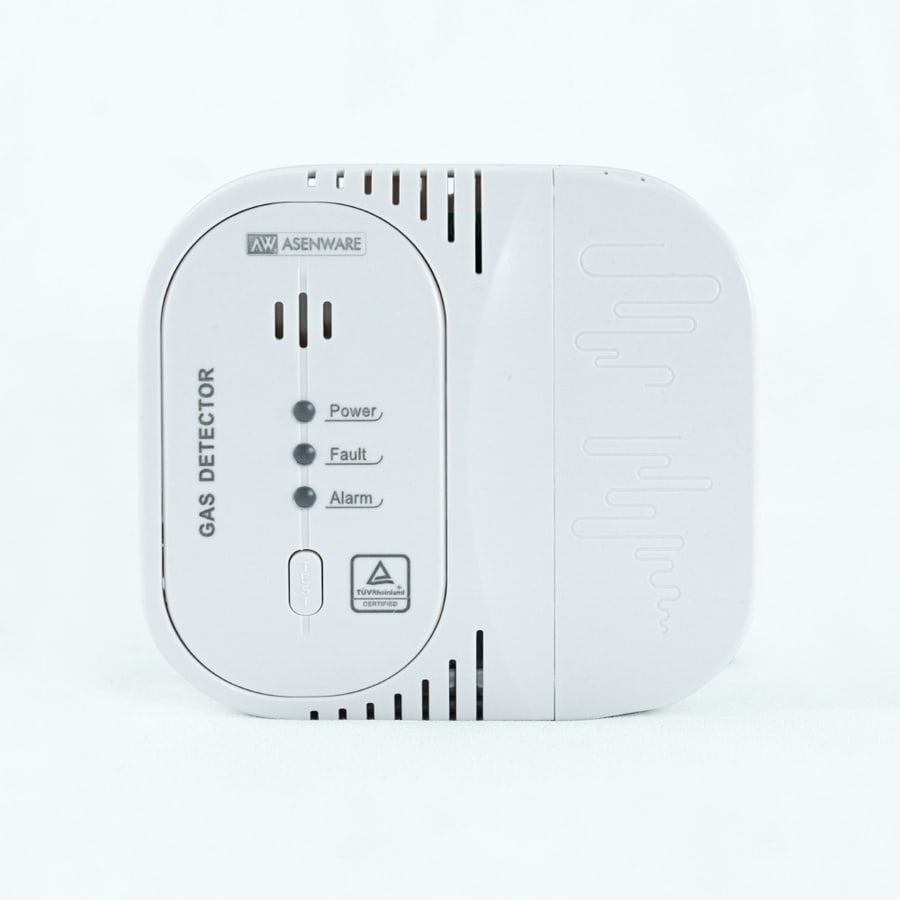
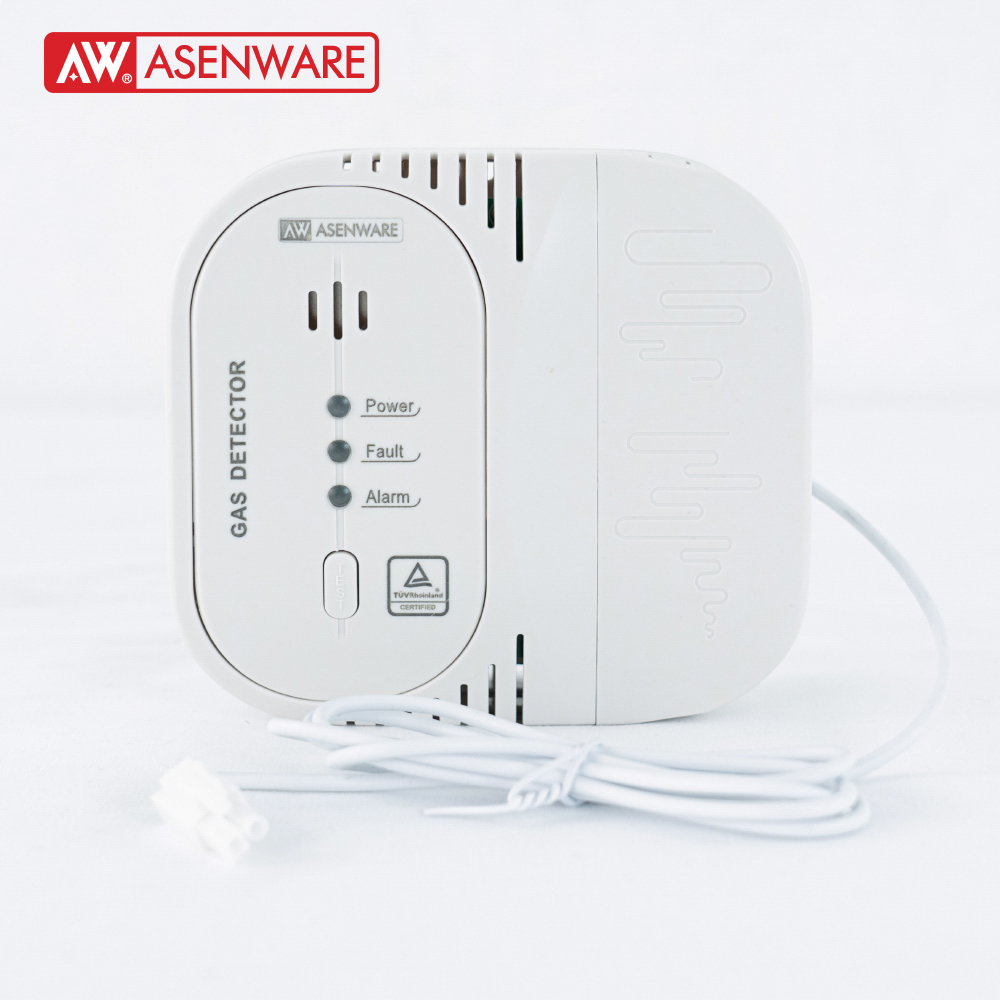
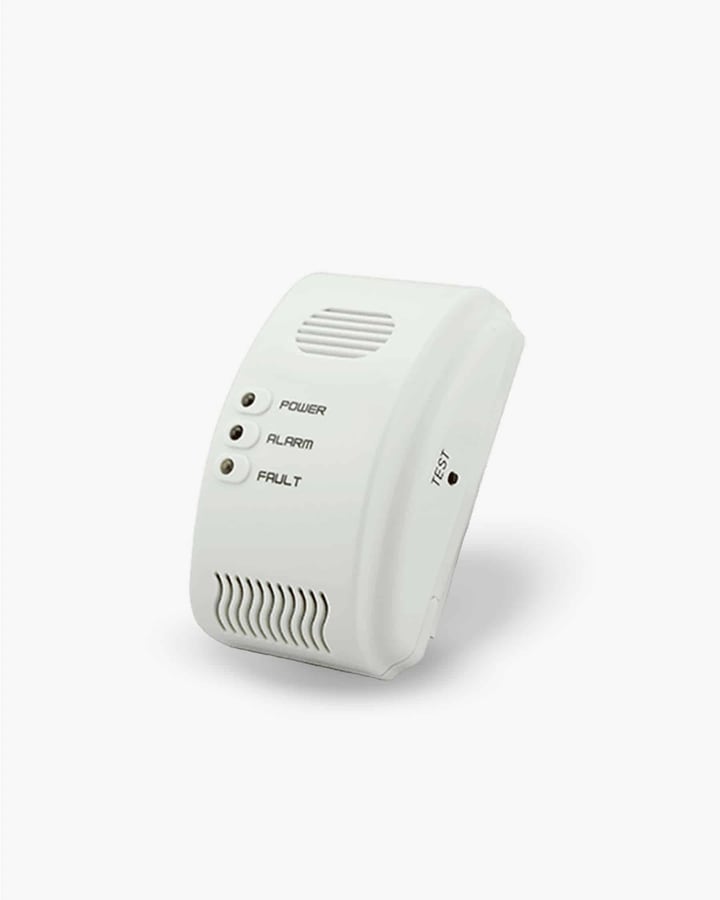
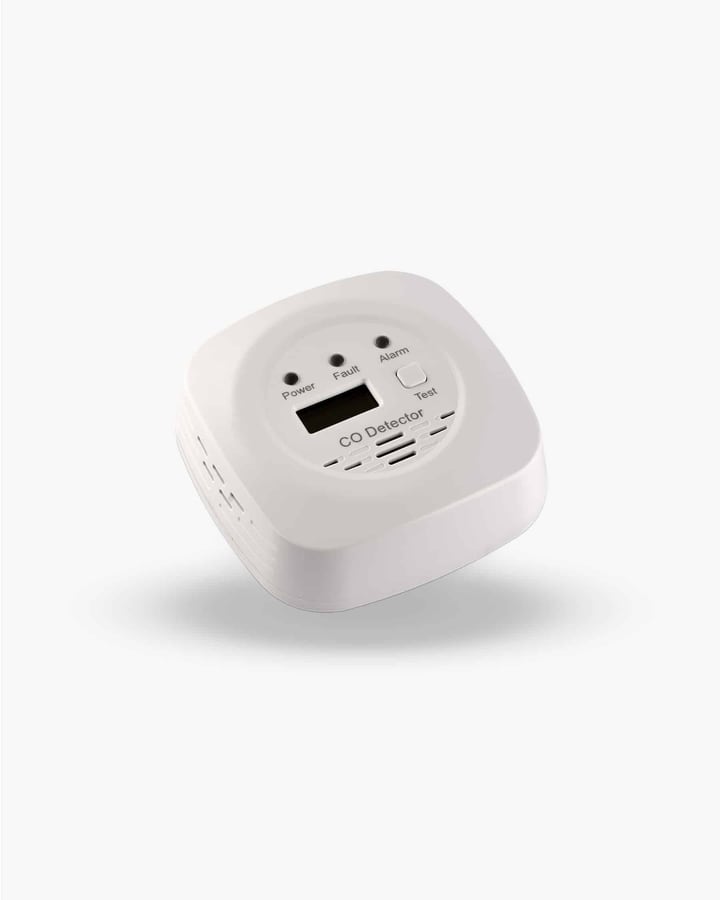
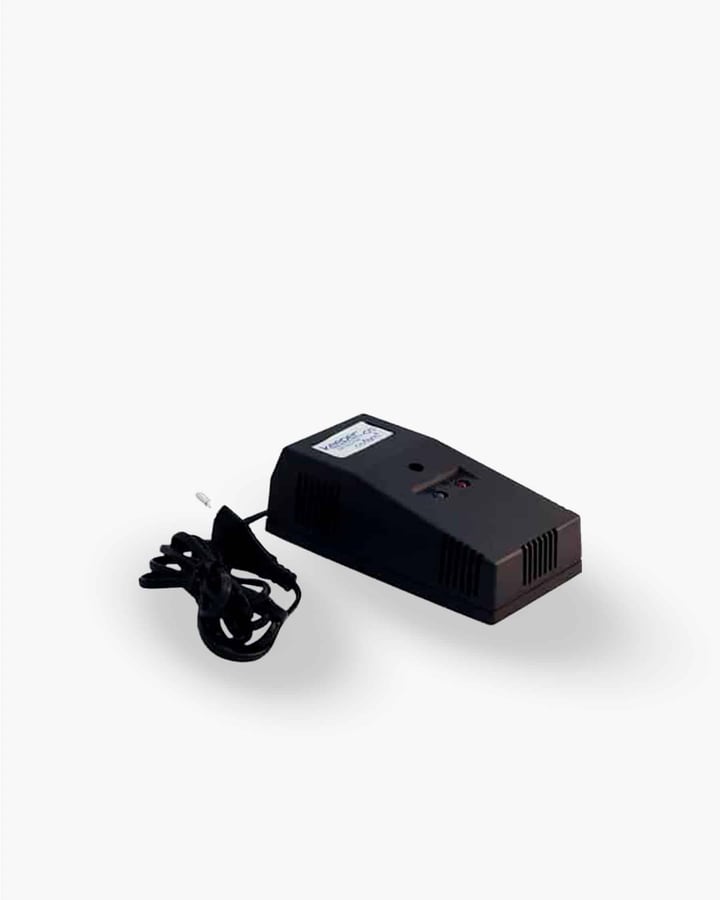
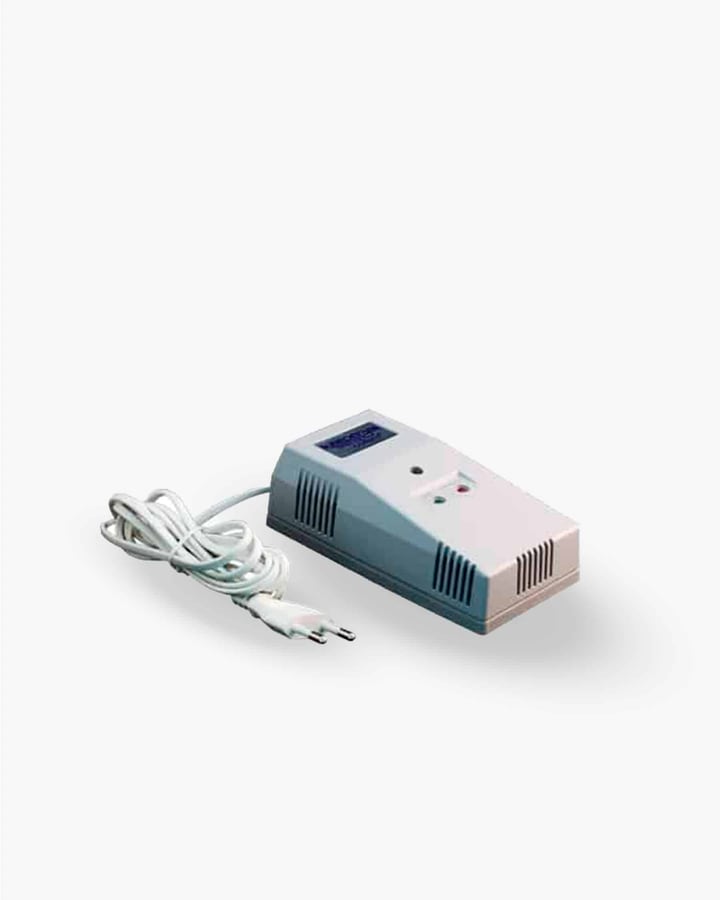
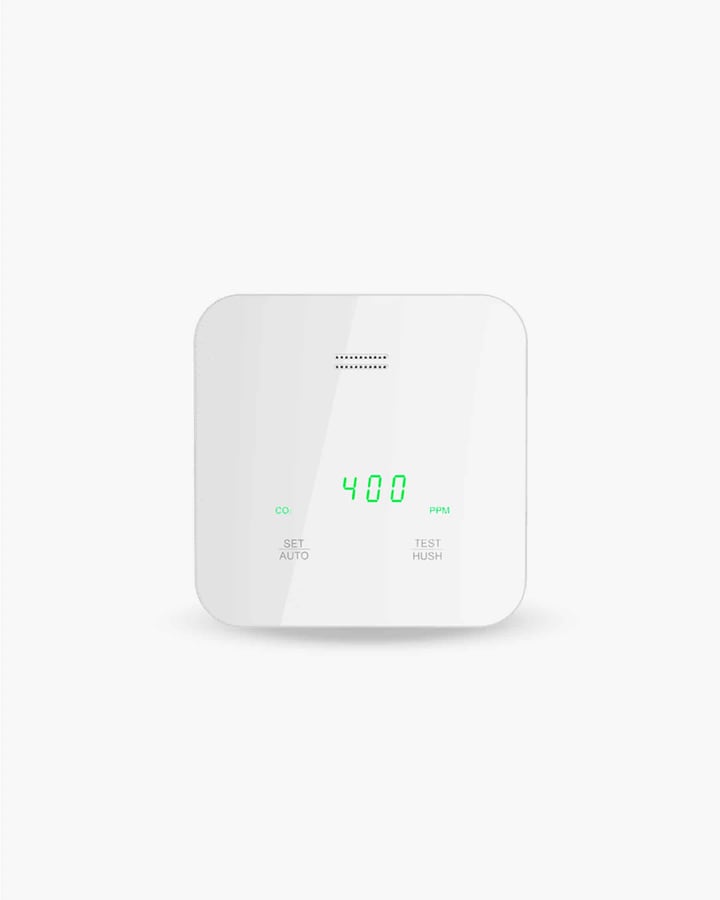
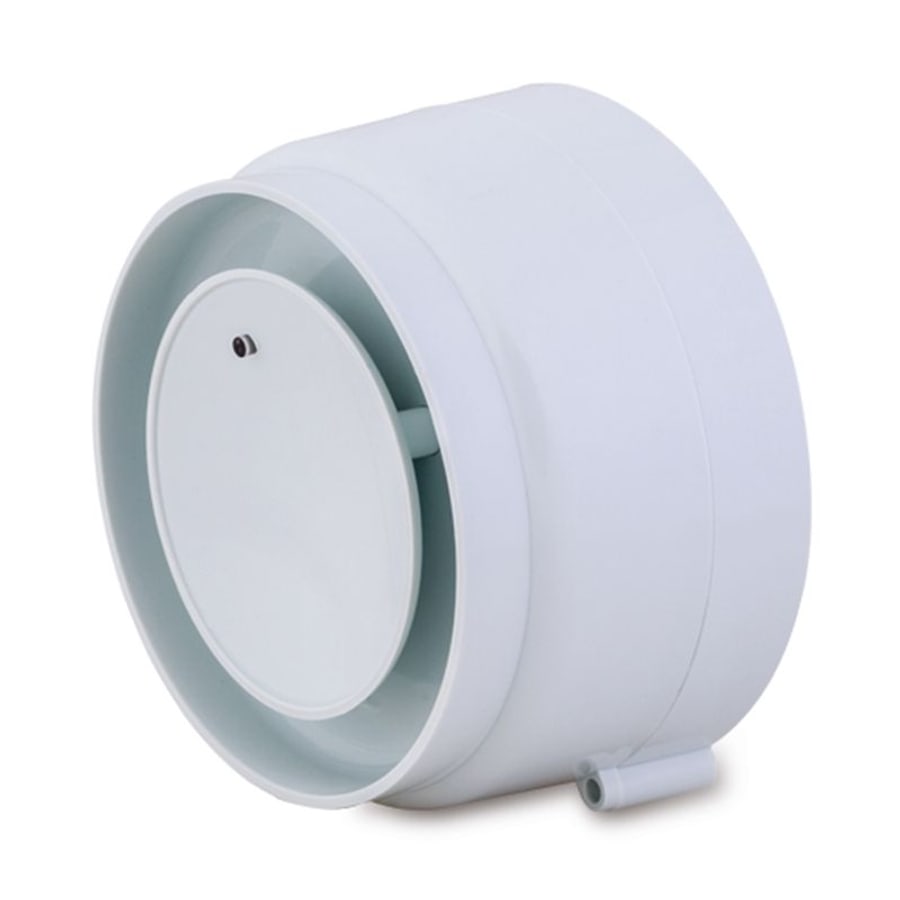
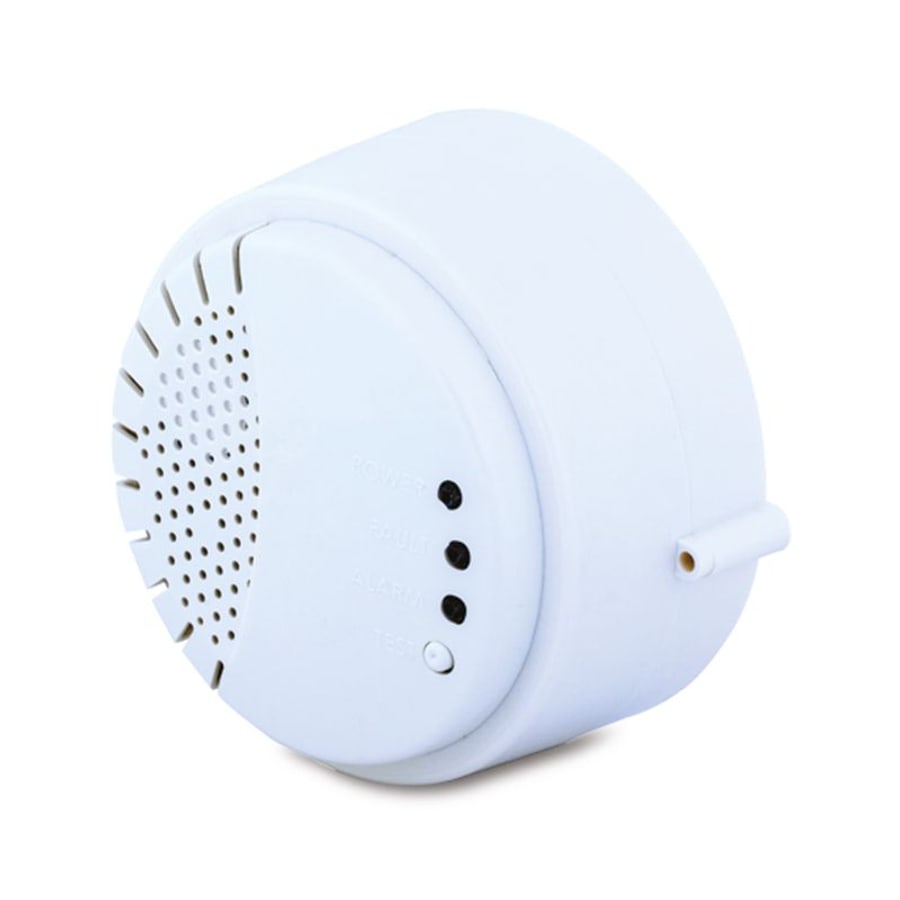
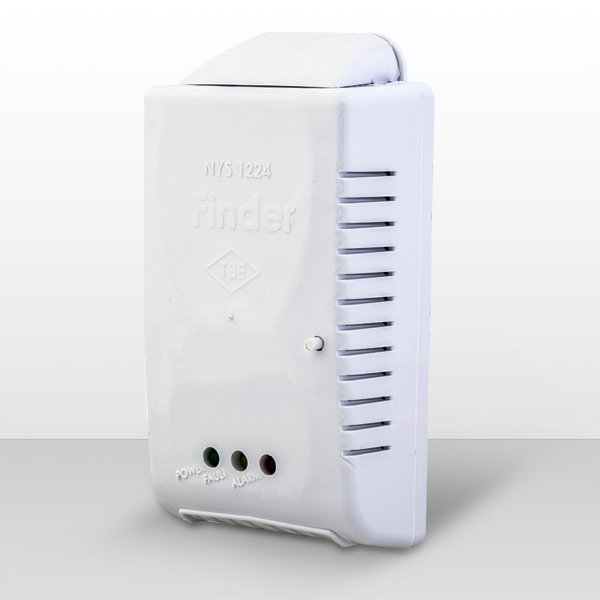
Plug-in gas alarms sold in stores are designed to alert to a leak in a single kitchen: they are not calibrated, not connected to a central panel, do not trigger valve shutoff or fan activation, and do not notify anyone in case of malfunction. What is required in boiler rooms, commercial kitchens, parking garages, battery rooms, and industrial facilities are systems that can be calibrated, report malfunctions, and trigger an action. Comparing two products by price is comparing different jobs.
Frequently asked questions
Where should I install a natural gas detector in the kitchen?
Since natural gas is lighter than air, it should be placed near the ceiling, approximately 30 cm below the ceiling, and horizontally 1–4 m from possible leak points (boiler, stove, meter). Direct installation above the stove or in front of ventilation grilles is incorrect: one causes false alarms from cooking vapors, the other vents gas away without allowing the detector to sense it.
Can a single detector sense both natural gas and carbon monoxide?
Some multi-sensor devices can, but there is a trap here: natural gas must be measured near the ceiling, while carbon monoxide should be measured near breathing level. Using a single device for two purposes at a single height weakens one of the two measurements. If both risks are real, two separate detectors at appropriate heights is the correct solution.
How often should calibration be performed, and can I do it myself?
According to manufacturer instructions, typically every 6–12 months; in high-risk facilities, more frequent intervals may be required. Calibration requires certified test gas at a known concentration and a proper regulator—it cannot be done by eye or button. As ASPEK, we perform calibration with documentation—this certificate is requested during periodic inspections.
The alarm went off but there is no gas smell present; is the system broken?
Not necessarily. Carbon monoxide is odorless; the absence of smell does not mean there is no gas. Additionally, some sensors can be triggered by cleaning agents, paint, and spray vapors. The correct response is to ventilate the area and have the system inspected rather than ignoring the alarm; if false alarms recur, the sensor type may have been incorrectly selected for that environment.
Can we add a detector to my existing system?
Yes, if the panel's channel/address capacity and power supply are suitable. During the survey, the panel model, line length, and cable cross-section are verified; if capacity is exceeded, an expansion card or second panel may be required.