
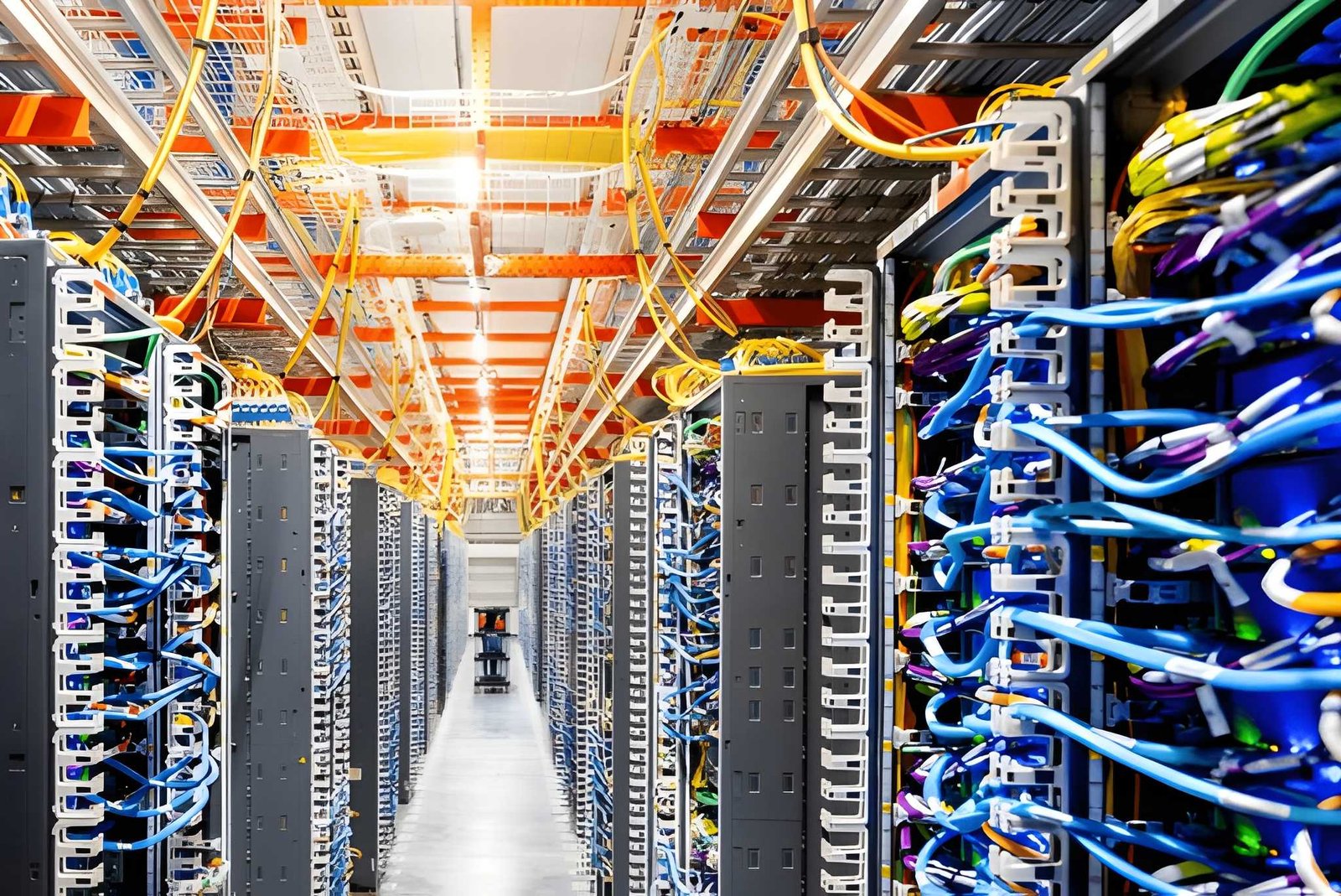
Structured cabling and network infrastructure: the foundation upon which all systems stand
Camera, IP telephone, access control, public address and building automation today operate on the same network infrastructure. Therefore, the network should not be the last item considered in the project, but rather the first item to be considered. In a poorly cabled building, even if you purchase the best camera, video will freeze; properly installed infrastructure, on the other hand, allows you to add new systems on top of it for more than ten years.











Selection guide and FAQ
Cable selection
| Cable | Carries | Where is it used |
|---|---|---|
| Cat6 | 1 Gbit/s (100 m) | General purpose outlet, IP telephone, most IP cameras — today's minimum standard |
| Cat6A | 10 Gbit/s (100 m) | Backbone floors, dense camera runs, institutional buildings with long-term lifespan targets |
| Fiber optic | 10 Gbit/s and above, long distance | Inter-building, floor-to-floor backbone, distances exceeding 100 m |
| Coaxial (RG-6) | Analog camera, TV/satellite signal | Existing installation with analog camera and centralized TV distribution |
Switch selection
| Type | What it provides | When it is required |
|---|---|---|
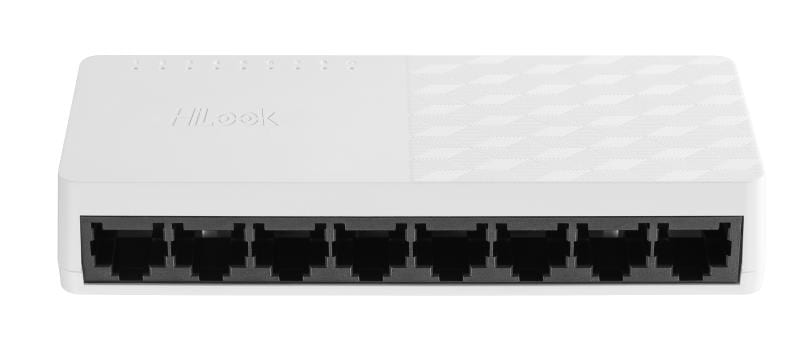
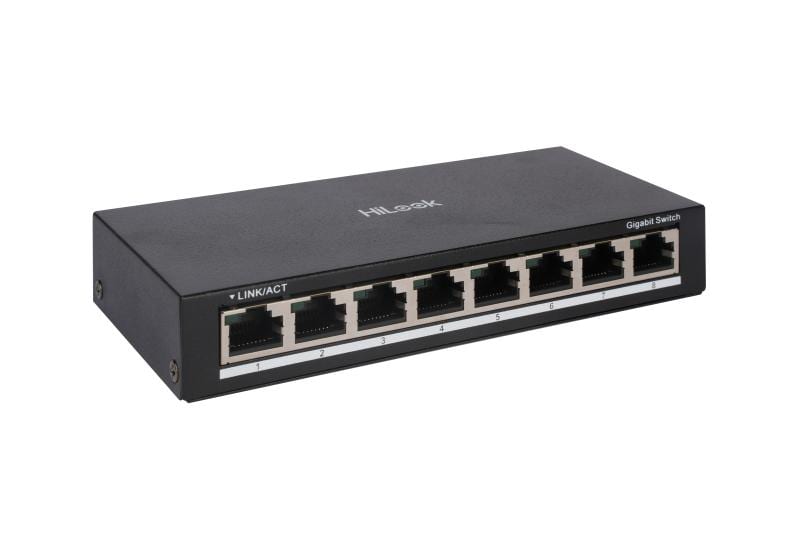
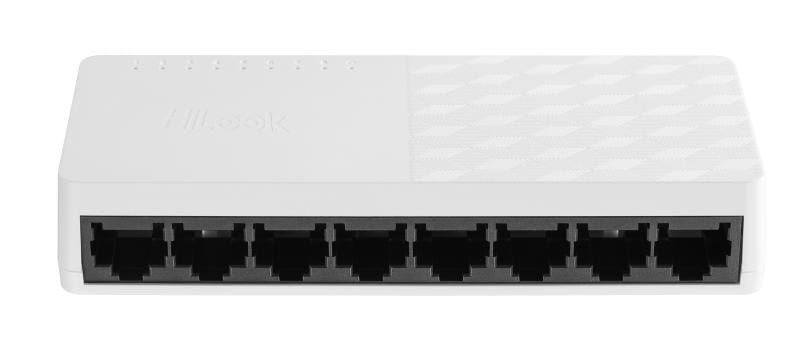
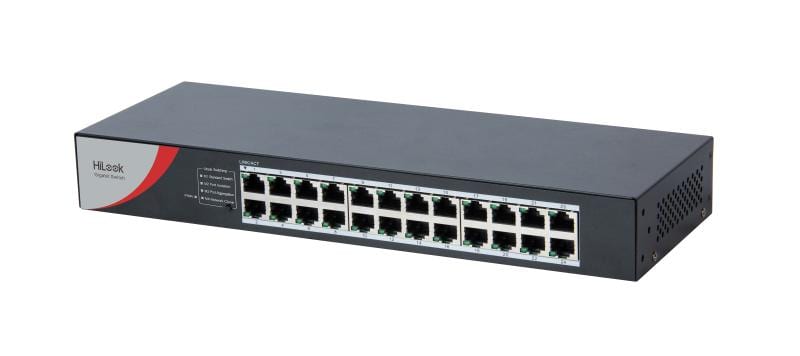
| Unmanaged | Plug-and-play connection | Small office with few devices; configuration and monitoring not required |
| Managed | VLAN, port-based monitoring, priority (QoS), remote management | Camera/telephone/data sharing the same infrastructure — separation is mandatory |
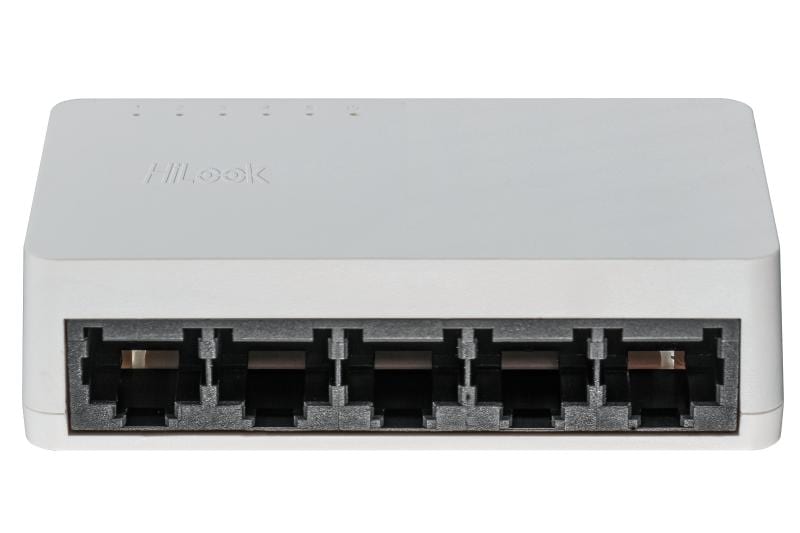
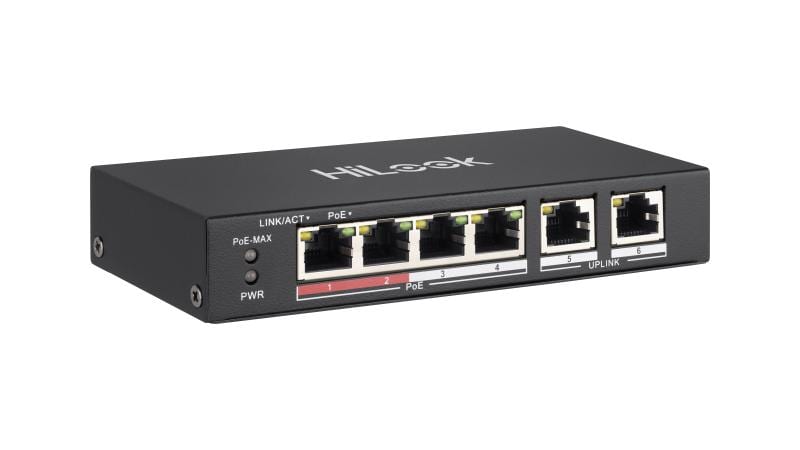
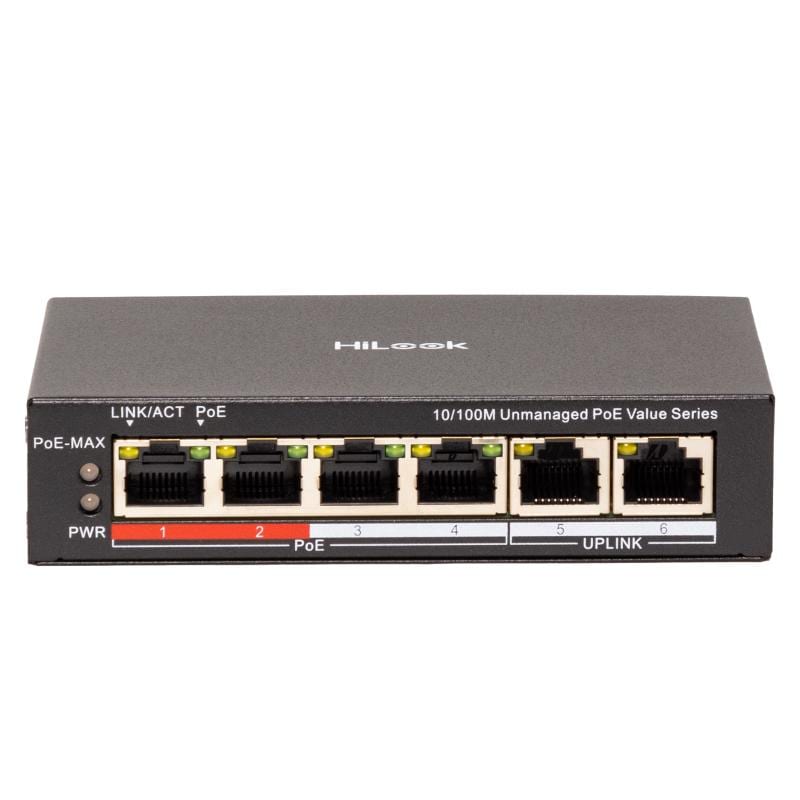
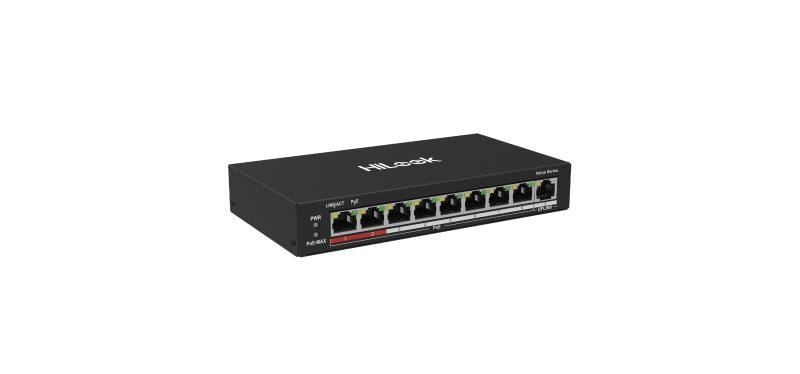
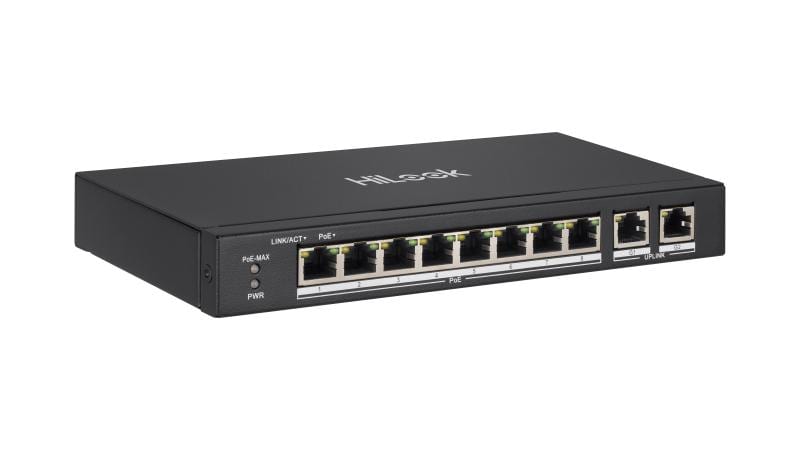
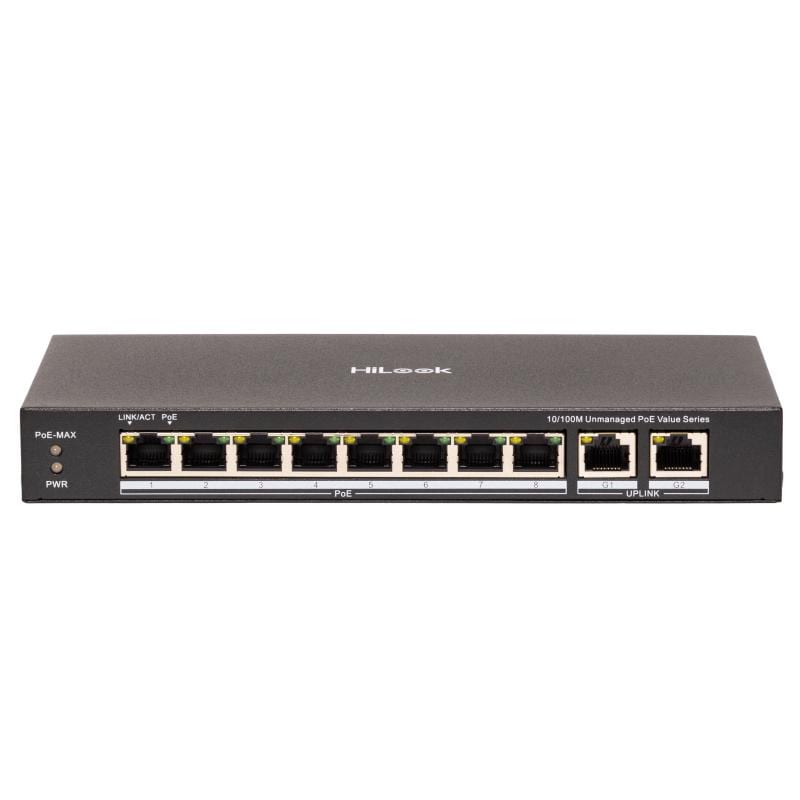
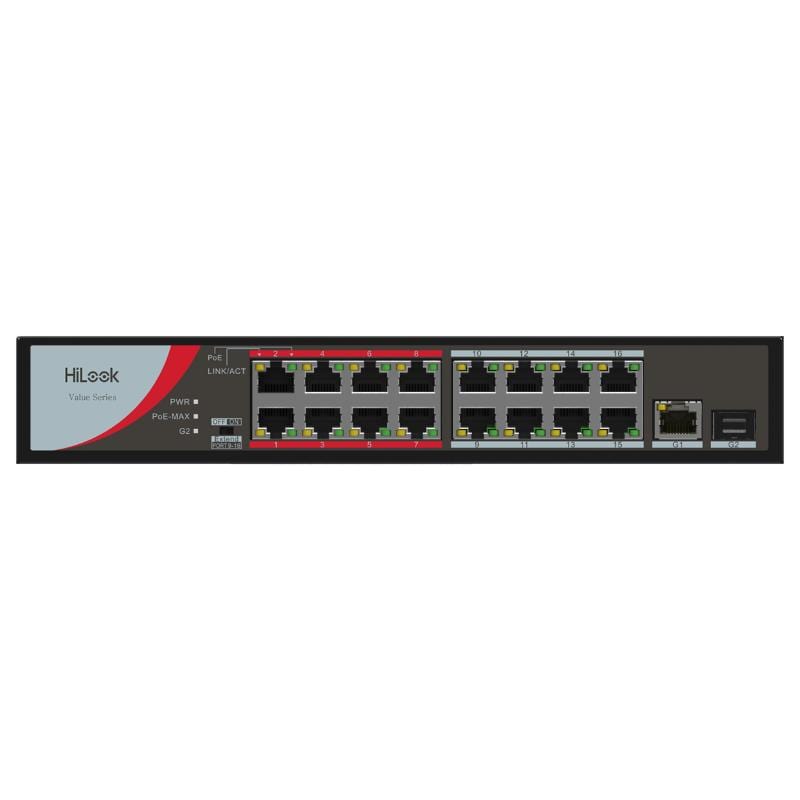
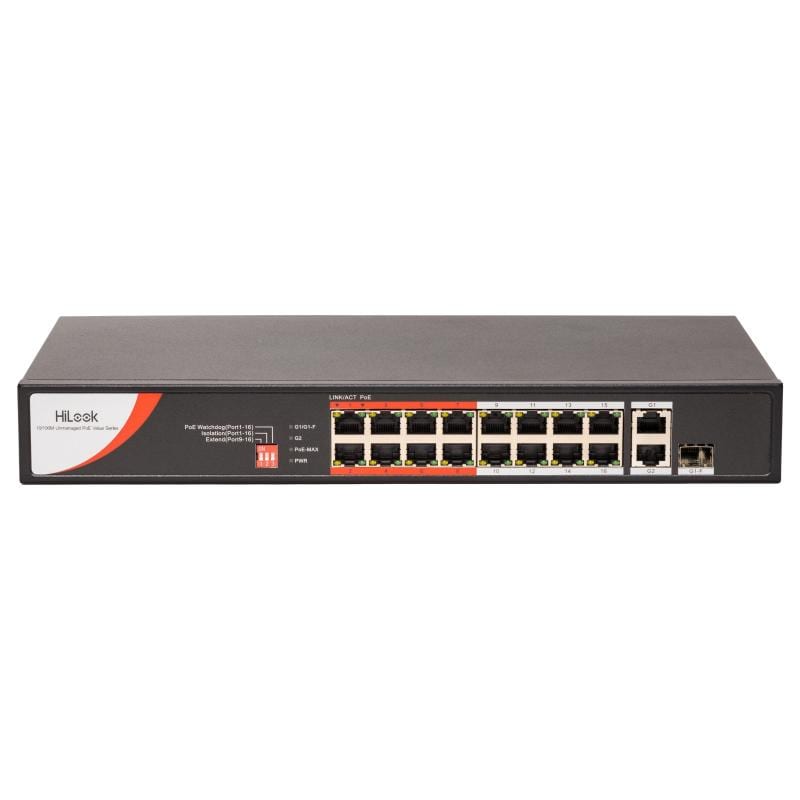
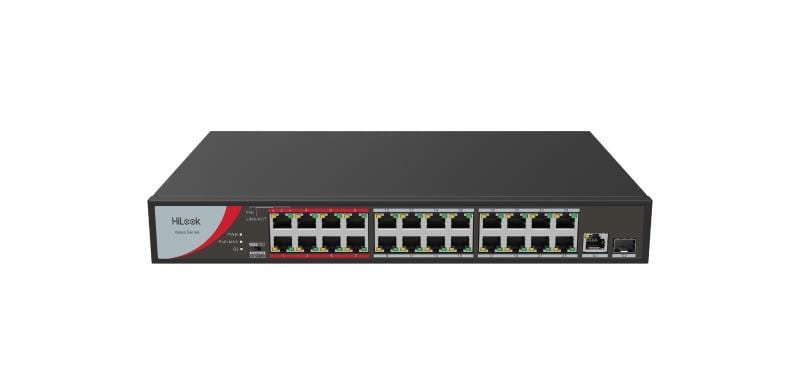
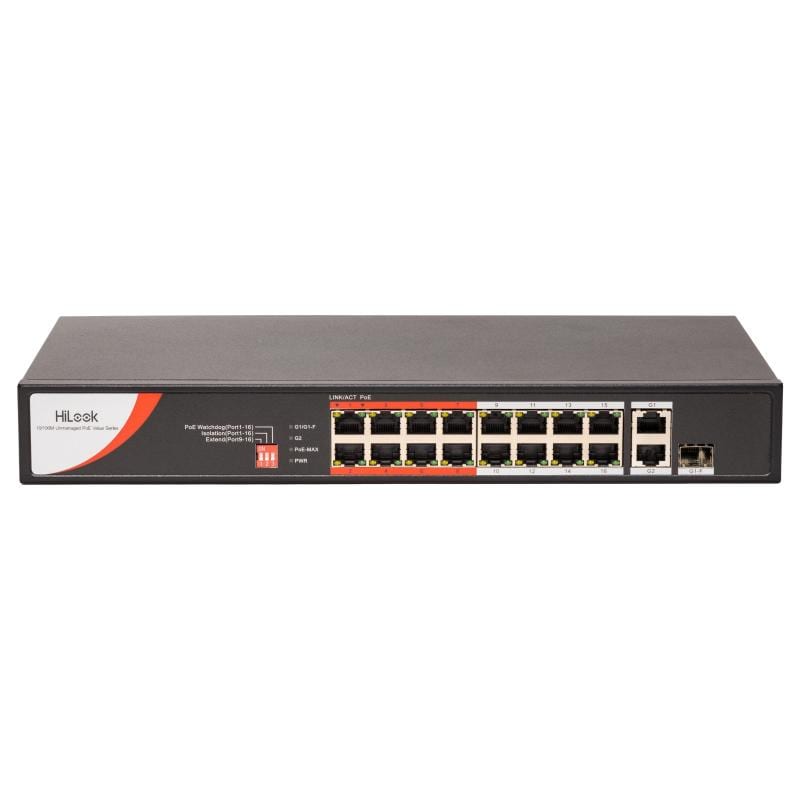
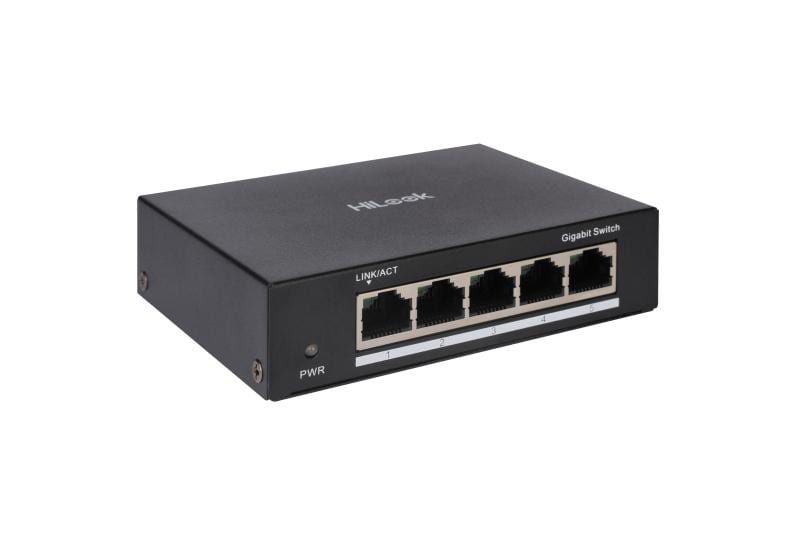
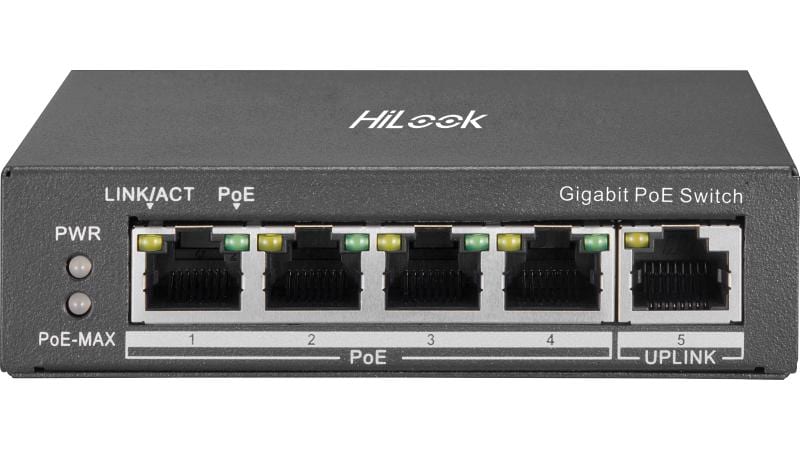
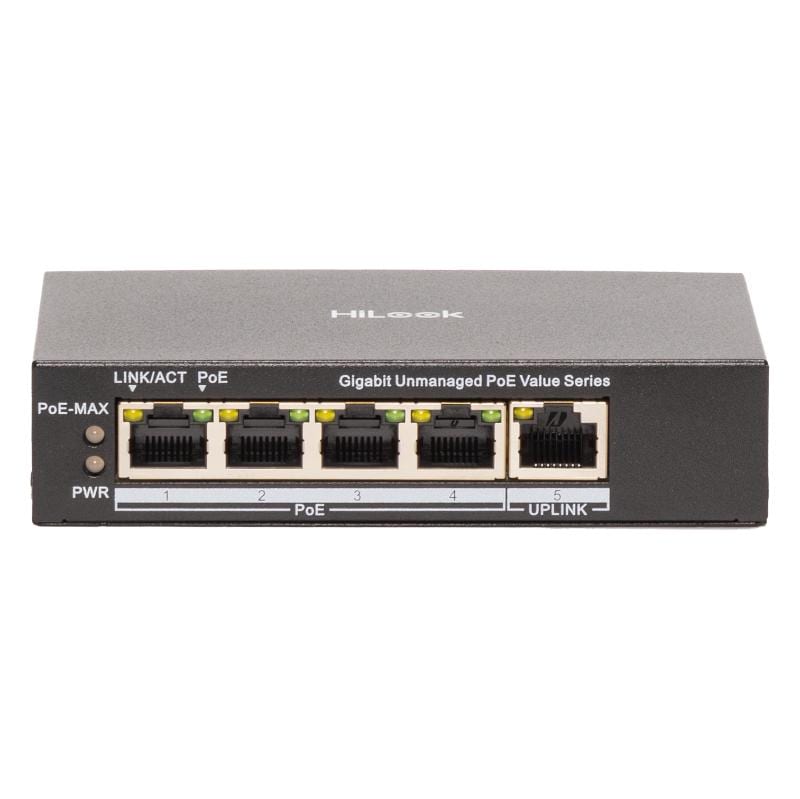
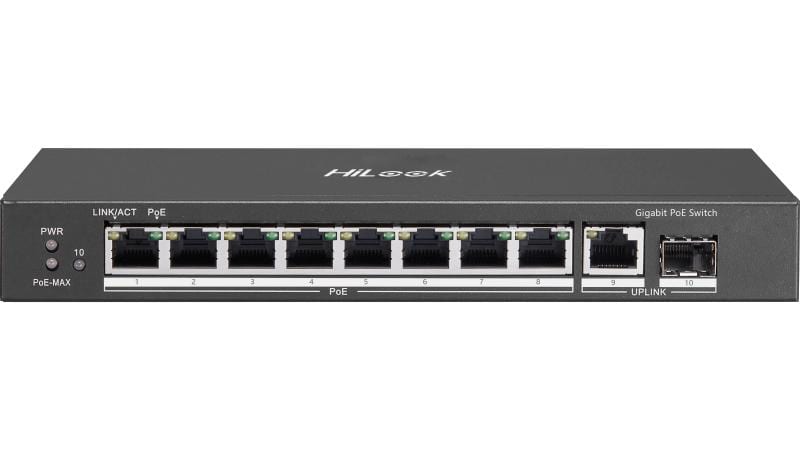
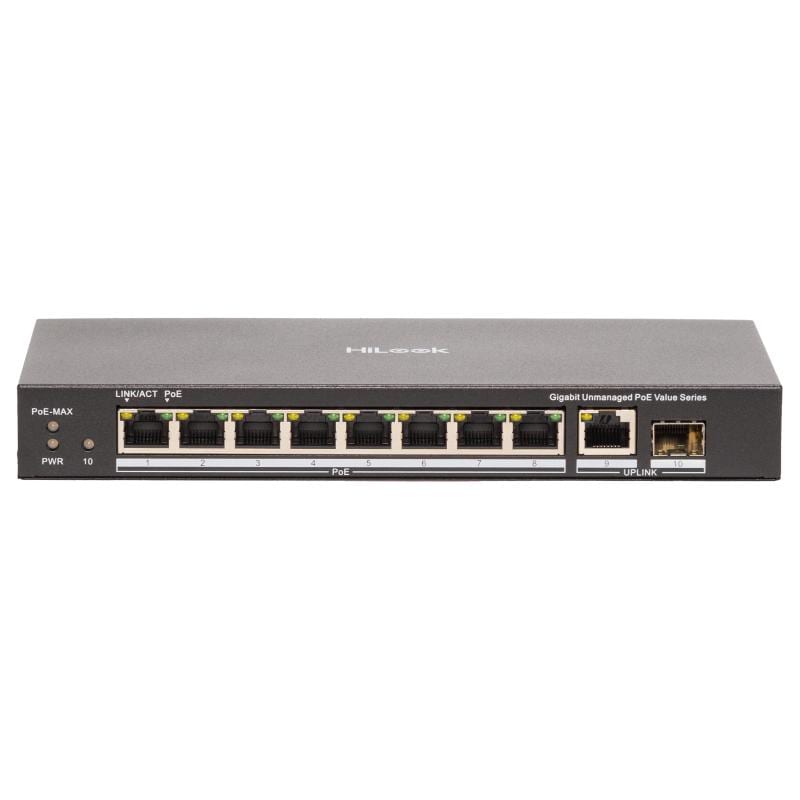
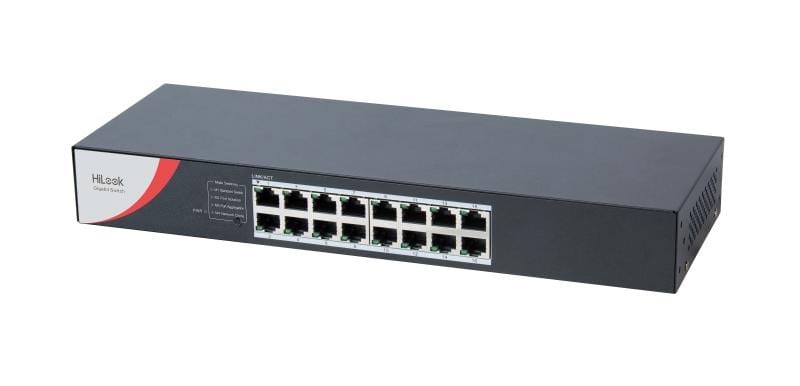
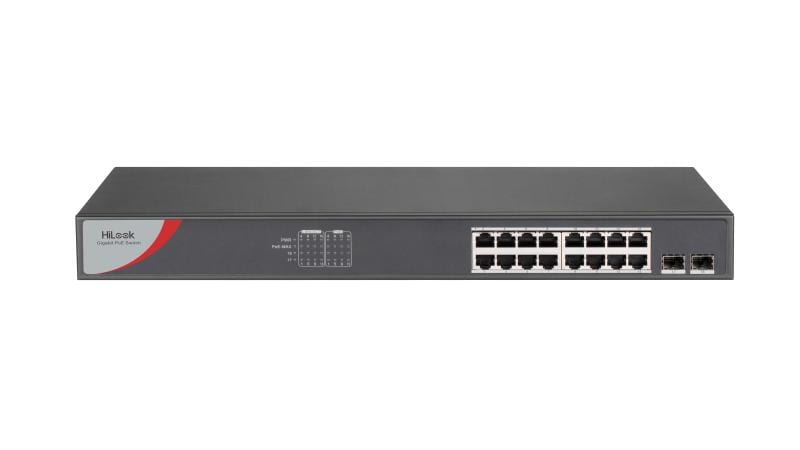
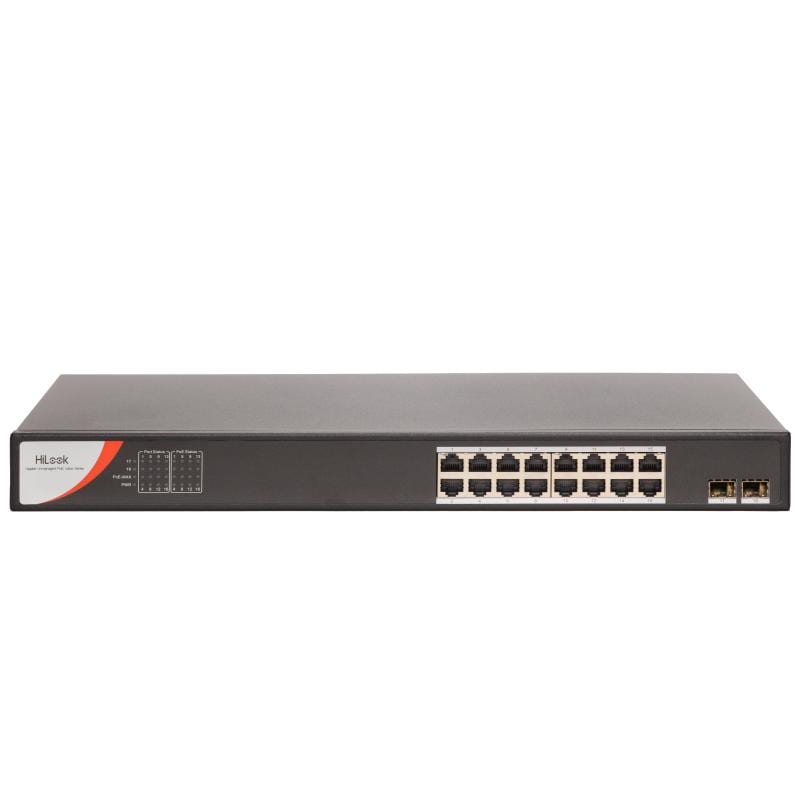
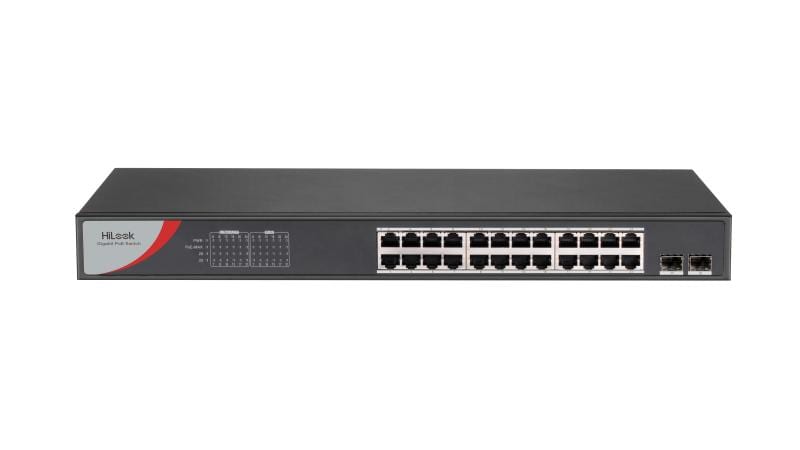
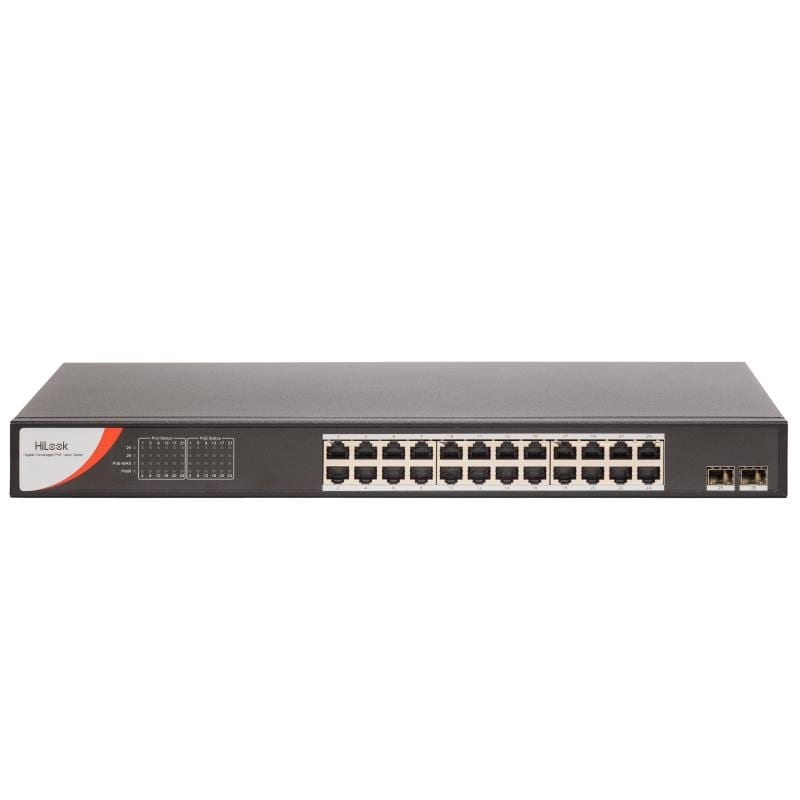
| PoE / PoE+ | Delivers electrical power along with data to the device | IP camera, IP telephone, wireless access point; eliminates the trouble of running separate power outlets |
The points that cause the most problems in the field
- Total distance in copper cabling is 100 meters: permanent line from cabinet to outlet maximum 90 meters, with 10 meters reserved for patch cables at both ends. When this limit is exceeded, lines sometimes appear to "work" but fail under load — the most difficult fault type to diagnose.
- PoE budget is the total watt capacity of the switch. Connecting eight cameras to eight ports is not enough; the total consumption of the cameras (especially models that illuminate IR at night or have heating elements) must not exceed switch capacity. Otherwise, random cameras drop at night.
- When camera, telephone, and office computers operate on the same network without segmentation, it creates both security and performance problems. Separating them with VLAN on a managed switch prevents unnecessary access between cameras and the office network, and vice versa.
- Audio and video traffic is delay-sensitive; if priority (QoS) is not defined on the network, a large file transfer will disrupt telephone calls.
- Upon completion of cabling, each line must be tested with the device and documented. This report is the only document that settles the "cable or device" dispute in future faults; an installation without certified measurement is considered partially delivered.
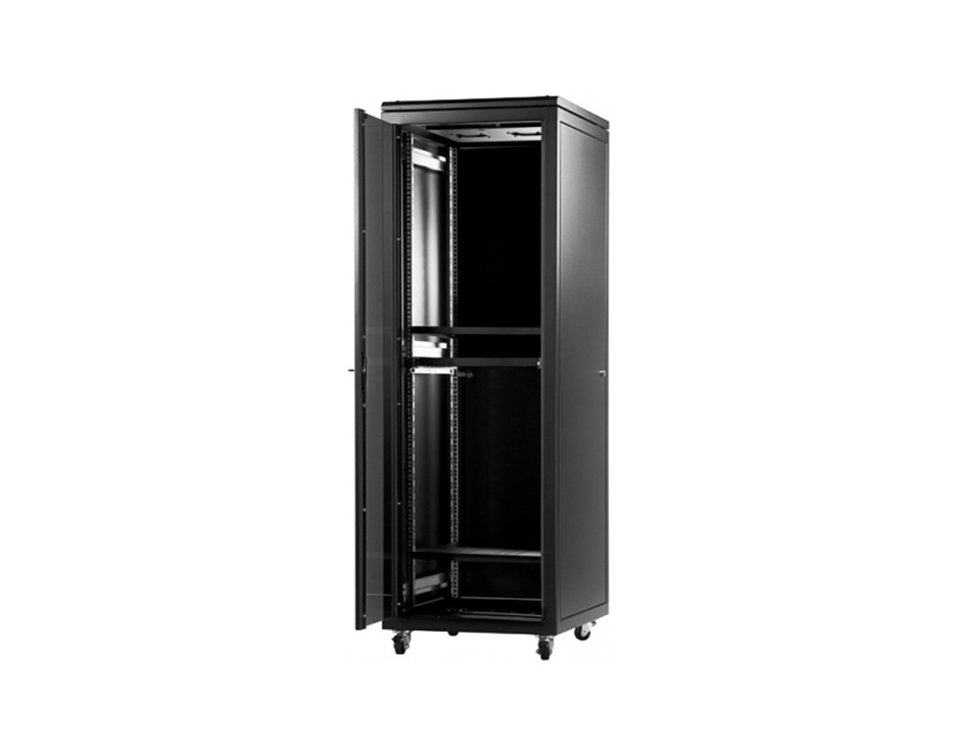
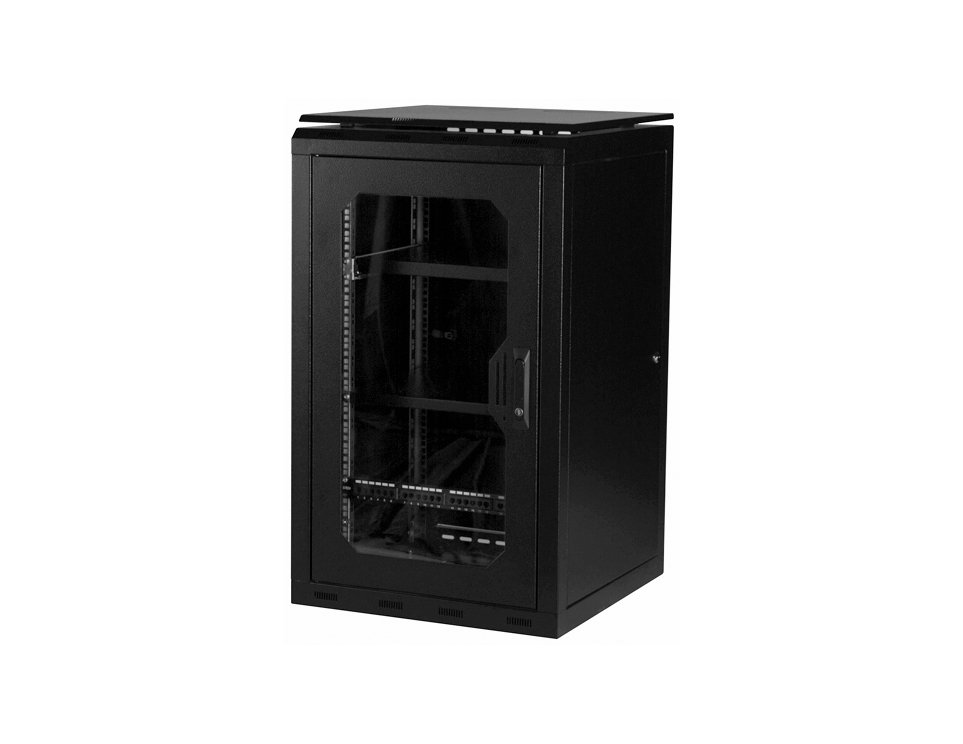
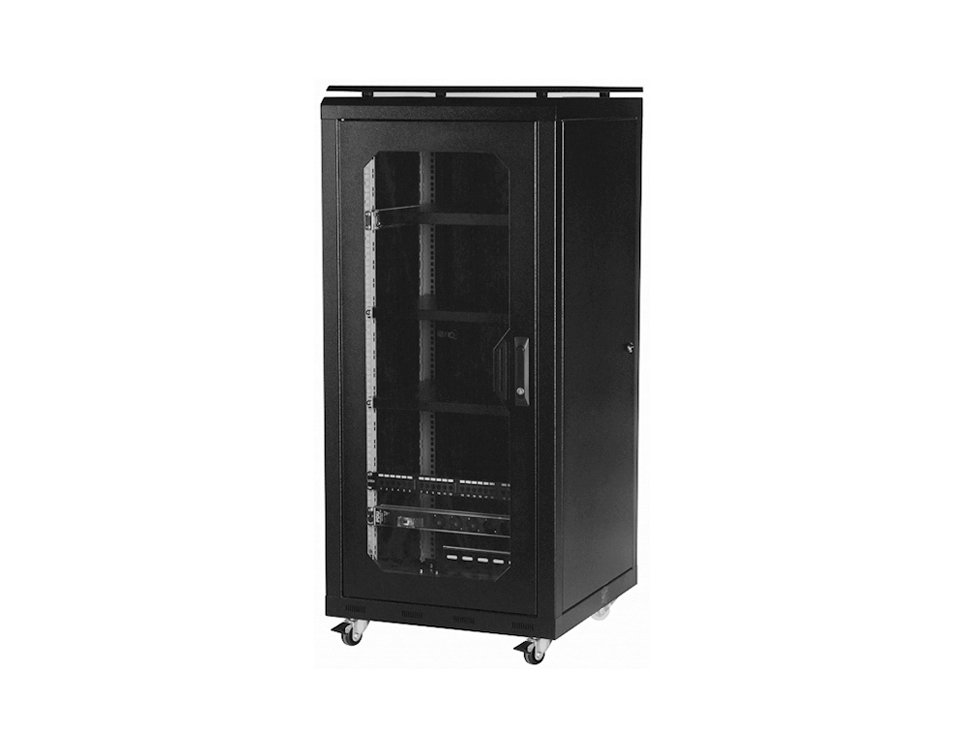
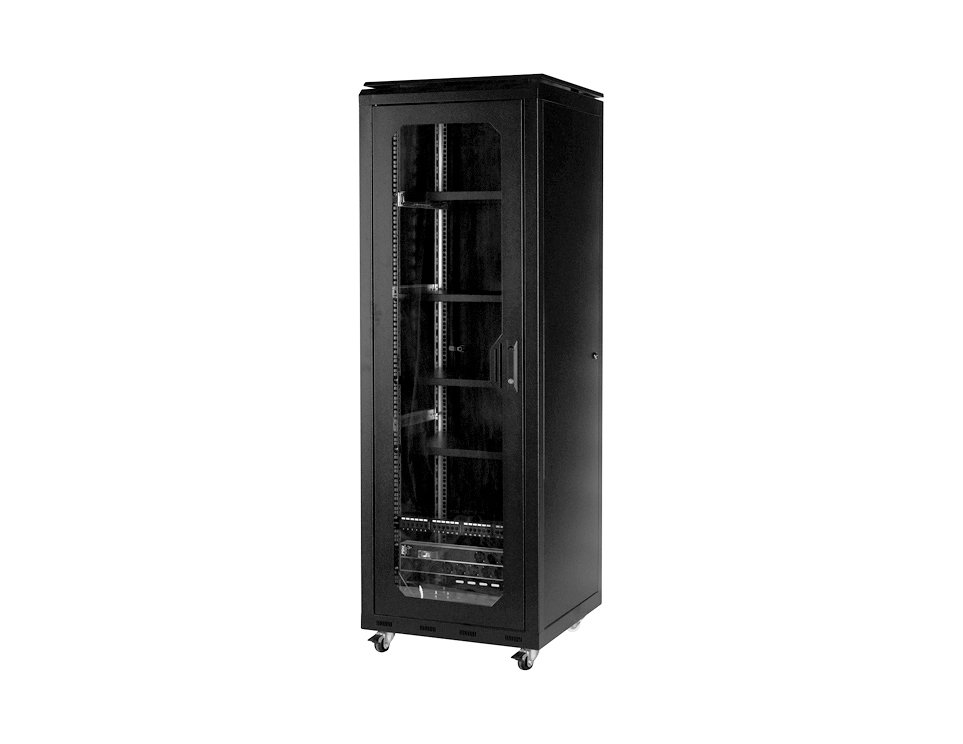
- Cabinet (rack) planning should not be underestimated: adequate ventilation, orderly patch panel, labeling, and uninterruptible power supply. An unlabeled cabinet wastes hours on every fault two years down the line.
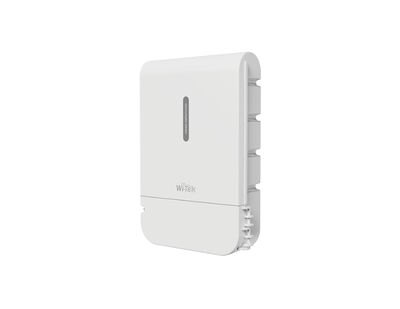
- Wireless network does not replace wired infrastructure; access points are also powered by cable. Coverage is planned according to device density and wall construction — the "one modem is enough" approach proves insufficient even in medium-sized offices.
Cabling is the longest-lasting and most difficult-to-replace layer in a building: devices are renewed in 5–7 years, but cables remain inside the wall for decades. Therefore, savings made on cable and workmanship will be repaid within a few years when drywall is removed. Our recommendation is clear: select cable according to the next generation's needs (at minimum Cat6 today, Cat6A/fiber in the backbone if possible), leave the number of outlets slightly above current demand, and reserve empty conduit/channel space.
Frequently asked questions
Do I need separate cabling for my cameras?
For IP cameras, no — the same structural cabling is used and the camera is powered by PoE over the same cable. However, camera lines must be placed on a separate VLAN at the switch, and PoE budget must be calculated according to camera load. For analog cameras, separate coaxial runs are required.
How do we extend the connection beyond 100 meters?
There are three options: install an intermediate cabinet/switch at a suitable location, run fiber optics, or use PoE extenders for short-distance extensions. The permanent and trouble-free solution is generally fiber; it is also secure against lightning and potential difference, especially for inter-building distances.
Should I choose Cat6 or Cat6A?
Cat6 is sufficient today for floor outlets and standard devices. Cat6A is preferred in backbone runs, dense camera zones, and institutional buildings with long-term durability targets. The difference is felt more in workmanship and channel capacity than in cable cost; therefore, the decision must be made at the outset.
How do we know if our existing cabling is adequate?
During the survey, cabinet layout, cable category, run lengths, and termination quality are examined; if necessary, runs are measured with test equipment. In most buildings, the cable itself is adequate; the problem lies in termination and cabinet arrangement — in which case significant improvement can be achieved without replacing the cable.
Do you also handle network infrastructure installation, or only security systems?
We undertake structural cabling, cabinet, switch, and wireless network installation as part of the systems. Because cameras, telephony, and access control operate on the same infrastructure, splitting the work between separate contractors results in divided responsibility.