
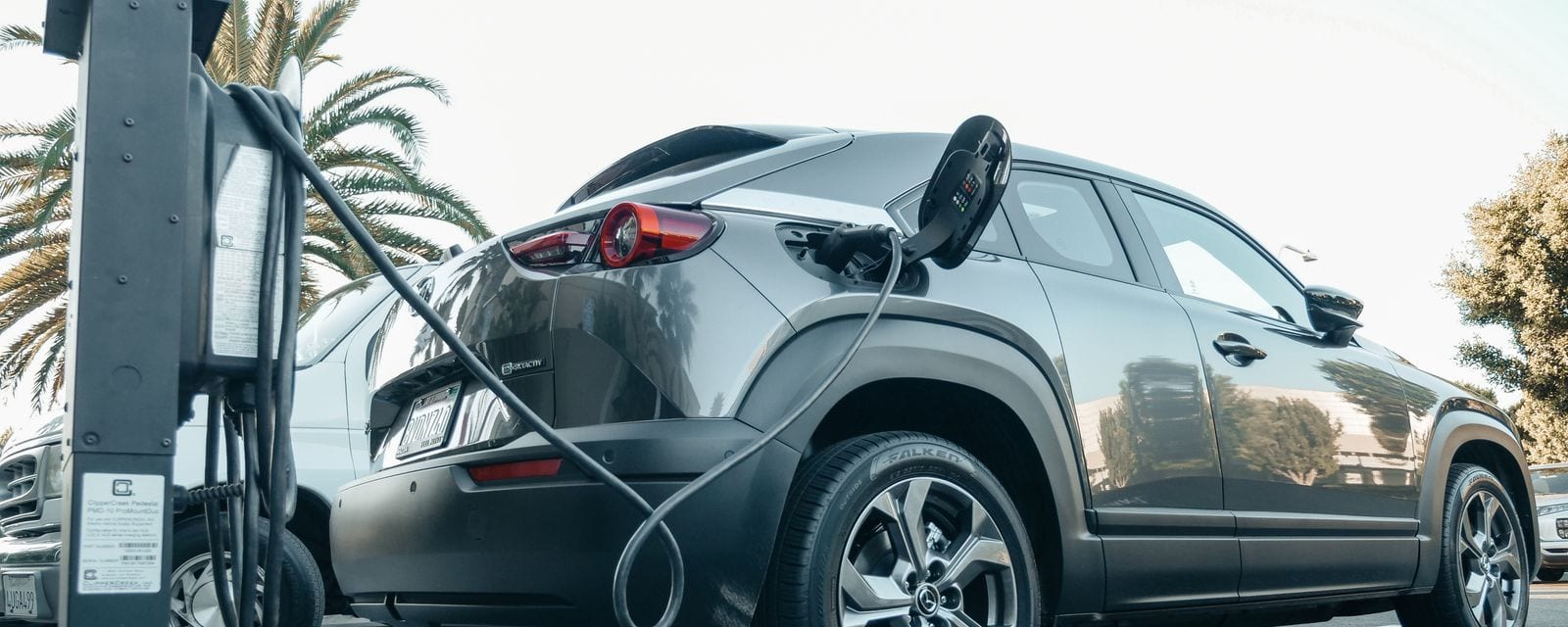
Electric vehicle charging areas are rapidly becoming widespread and the fire behavior is different from conventional vehicle fire: when the thermal runaway starts in the lithium-ion battery, the temperature rises very quickly, it can flare up again after the fire is extinguished. Therefore, the charging zone requires a separate detection scenario.
Fire risks in this environment
- Thermal escape in lithium-ion battery — rapid temperature rise
- Re-ignition after extinguishing
- Intense, toxic smoke production
- Trapping of heat and smoke in the parking garage
- Fire caused by charging unit electrical failure
Regulations and standards
Additional fire precautions and detection are required in charging areas within the scope of BYKHY and related electric vehicle charging infrastructure regulations. The provisions of the parking lot general fire detection and smoke evacuation apply; the charging zone is assessed separately.
Recommended technologies
EV Charging Areas Fire Safety — the right solution combination and the reasons behind it.
Linear Heat Detection Cable (LHD)
It detects the rapid temperature rise along the charging unit and on-board line with location information.
Related products →Analog LHD (reversible)
Provides pre-alarm and distance information; does not require cable replacement after alarm.
Related products →Sprinkler (Water Extinguishing)
The purpose of a battery fire is not to extinguish, but to cool: at a sufficient flow rate, water slows down the spread of thermal escape to neighboring cells and vehicles. The gaseous system does not work here — it cuts off the gas flame, but it cannot stop the heat and oxygen generated by the battery itself.
Related products →Voice Announcement & Siren
Announcement of the evacuation and discharging scenario.
Related products →Typical system architecture
A LHD line + zone based heat monitoring passing over the charging units is installed; the alarm is transported to the addressed panel via the monitoring module. In the cause & effect scenario, the interruption of the charging supply, the activation of the ventilation and the regional announcement are defined. Early smoke detection is added with ASD in confined spaces.
Common field mistakes
- Treating the charging area like normal parking
- Relying only on smoke detection (heat is more decisive in a battery fire)
- Failure to establish the scenario of interrupting the charging supply at the alarm
- Selecting digital (irreversible) LHD and not risking the cost of cable replacement at every alarm
Frequently Asked Questions
Which detection should be used in the EV charging area?
Linear heat detection (preferably analog/reversible) is the backbone; aspirated early smoke detection is added in confined spaces. Only the smoke detector is inadequate.
Why is a battery fire different?
Due to thermal escape, the temperature rises very quickly, intense toxic smoke is emitted, and re-ignition may occur after extinguishing. Therefore, heat-based, location-aware sensing is preferred.
EV Charging Areas Fire Safety — request a quote for your project
Engineering, installation, commissioning and maintenance — from a single source. Free site survey within Ankara.