

Burglary alarm system: wired or wireless, which detector where?
The function of an alarm system is not to stop the burglar, but to report the event early and accurately. Therefore, the measure of a good system is not how many detectors it has, but whom it alerts, how quickly, and with what information in a real event. A system that produces false alarms is quickly deactivated and is considered as never having been installed.







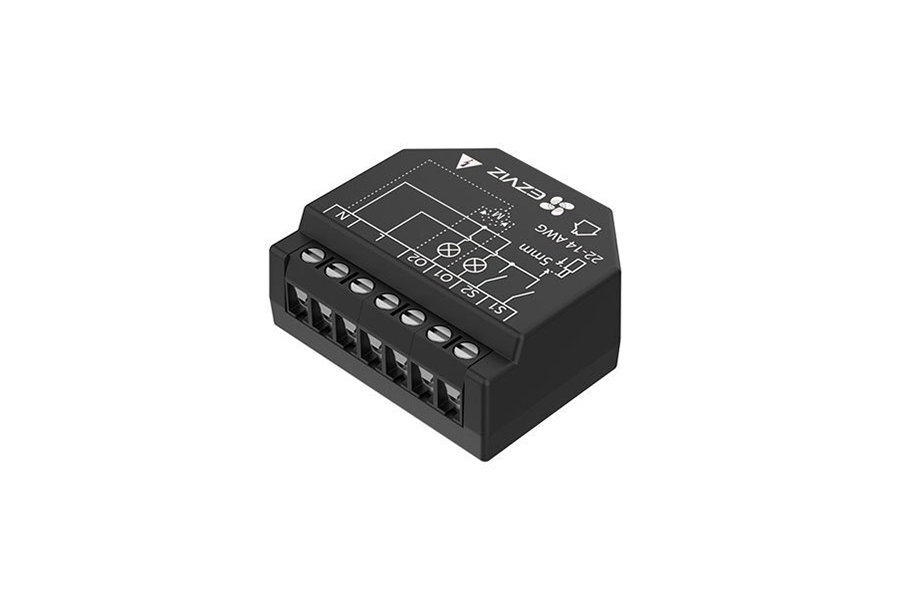
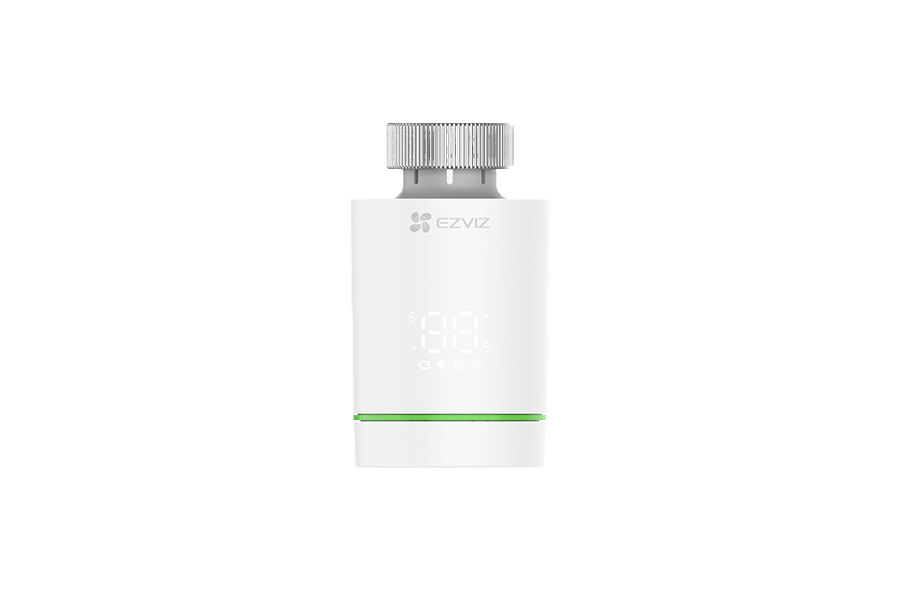






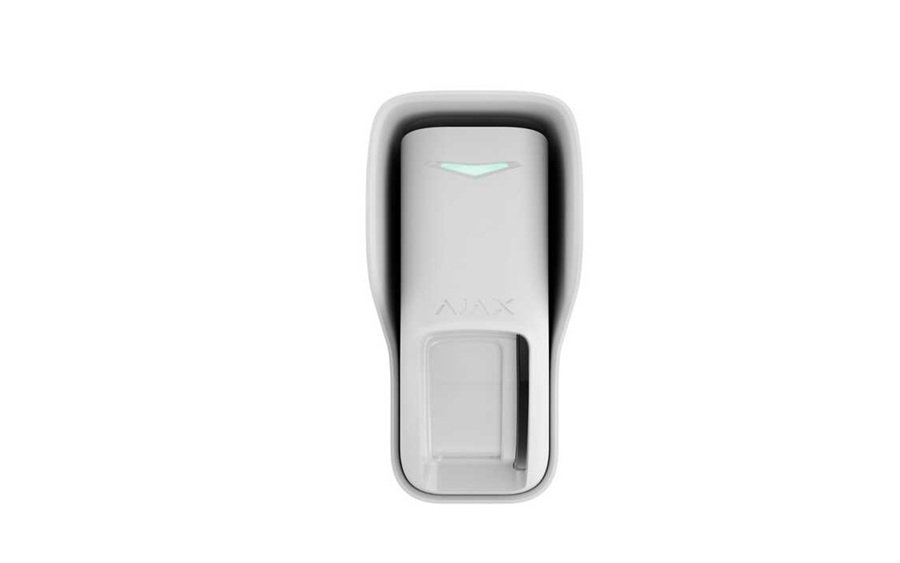


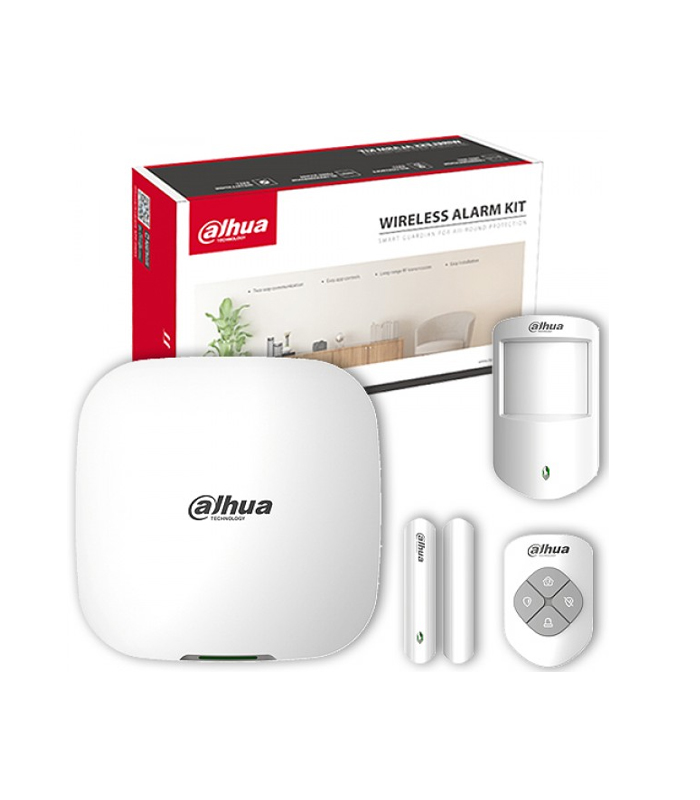




Selection guide and FAQ
Wired, wireless, and hybrid
| Topic | Wired | Wireless | Hybrid |
|---|---|---|---|
| Installation | Cable is run; ideal during construction/renovation phase | No cable; quickly installed in the occupied space | Backbone wired, wireless at difficult points |
| Maintenance | No battery issues | Battery replacement (typical 2–5 years) requires monitoring | Hybrid |
| Reliability | Most protected from external interference | High in quality systems; low-cost systems susceptible to interference | High |
| Sabotage | Panel detects if cable is cut | Frequency jamming (jammer) risk; good panels detect and report this | High |
| Expansion | New cabling required | Adding a device takes minutes | Flexible |
| Suitable for | New construction, workplace, critical facility | Occupied residential, rental office, historic building | Most real projects |
Detector types
| Detector | What it does | Where is it used |
|---|---|---|
| PIR (motion) | Detects body heat movement | Interior general protection; most common detector |
| Dual technology (PIR + microwave) | Does not trigger alarm without simultaneous confirmation from two separate physical principles | Locations where false alarms are costly: warehouse, workplace, server room |
| Pet-immune PIR | Ignores living beings below a certain weight | Residential properties with cats/dogs |
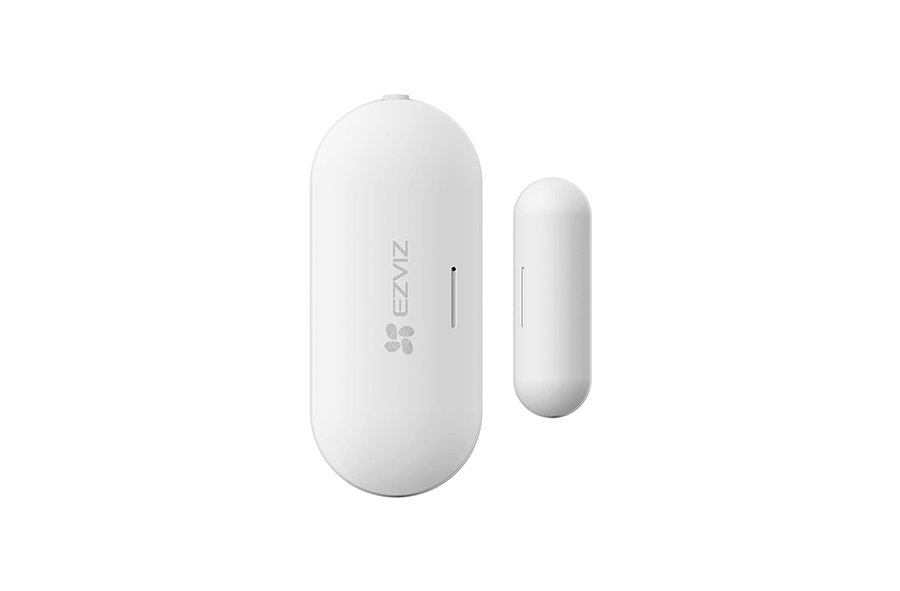
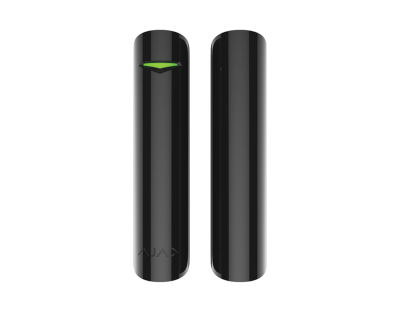
| Magnetic contact | Detects door/window opening | Perimeter protection; can remain active even when indoors |
| Glass break | Recognizes the frequency of glass breaking sound | Showcase, ground floor, wide glass facade |
| Curtain type | Scans a narrow and vertical area | Window area, corridor, passage point |
| Vibration / shock | Wall, safe, or ATM impact detector | Safe room, jeweler, bank |
| External perimeter barrier / active infrared | Detects line crossing at garden boundary | Residential property with garden, facility perimeter; alerts before entry |
Decisions that make the system truly effective
- Protection is layered from outside to inside: first perimeter (garden/facade), then shell (doors and windows), finally volume (interior movement). A system relying solely on interior motion detectors alerts only after the intruder has entered.
- The notification path must not be single. In a system sending notifications via Internet, if the line is cut, no alert is sent; dual-path communication backed up with GSM creates the real difference against sabotage.
- The decision to connect to an alarm monitoring center must be made from the start: receiving notification only on your phone differs from a 24/7 center viewing and calling to confirm.
- Sabotage protection (tamper) must be required in every device: a detector with opened cover or removed from wall should generate an alarm even when the system is disarmed.
- Panel and communication unit are placed inside the protected area, not in a visible location at the entrance; entry delay time is not set longer than necessary.
- Battery runtime is verified: the system is expected to remain operational for at least several hours when power is lost. Batteries have a finite lifespan and are measured during periodic maintenance.
- The most common causes of false alarms are as follows: air conditioning/heater airflow in front of PIR, detector facing a window exposed to sunlight, swaying plants, loose mounting, and weak battery. Correct positioning is more decisive than the device brand.
Intrusion alarm panels and fire detection systems are frequently confused because smoke detectors can be connected to intrusion alarm panels. Fire detection requires certified equipment compliant with applicable regulations and the EN 54 standards family, specific cabling, and supervised line architecture. If fire detection is mandatory in a workplace or building, this obligation cannot be satisfied by a smoke detector connected to an intrusion alarm panel. It is possible to install both systems together and perform joint monitoring; however, one system cannot substitute for the other.
Frequently asked questions
I have a cat at home, will the alarm sound constantly?
Pet-immune detectors are designed to disregard living creatures below a certain weight (typically 15–25 kg). For this to function properly, mounting height and angle must be correct, and measures must prevent the animal from climbing onto furniture or shelves and entering the detector's line of sight. Because cats commonly climb, curtain-type detectors and perimeter protection established with magnetic contacts provide more reliable results in such spaces.
Will the alarm work if my internet or power goes out?
Yes, in a properly installed system. The panel has a battery and continues to operate during a power outage; if communication is backed up via GSM, notifications are sent even if internet is lost. Moreover, quality panels report power loss and line loss as events—such notification may be the first sign of a sabotage attempt.
Does the alarm system work together with cameras?
Yes, and this is the recommended configuration. When the alarm is triggered, the camera image of the relevant zone automatically opens or a brief video is sent with the notification; thus real events are distinguished from false alarms within seconds. This also eliminates unnecessary trips to the home or workplace.
Can a wireless system's signal be jammed?
Theoretically yes; this is why serious systems detect frequency jamming attempts and report this as a sabotage event. Additionally, encrypted and bidirectional communication is used between devices and the panel; the panel regularly polls the presence of each device and reports a silent device as a fault. Inexpensive one-way systems have none of these protections.
Can we keep my existing alarm panel and upgrade the detectors?
In most cases, yes, if the panel is operational and the zone capacity is sufficient. During the survey, we check the panel model, number of zones, cabling condition, and battery health. If the panel is very old and communicates only via fixed line, replacement is usually the better choice.