
What criteria should be used when selecting a security camera?
When selecting a camera system, the first question is not "how many megapixels"; the first question is: what do you want to do with this camera? Seeing a vehicle pass, monitoring what a person is doing, identifying someone you know, and identifying the identity of someone you don't know are four separate requirements, and each requires different resolution. Without determining this, the system purchased is either more expensive than necessary or produces the result "there is image but nothing is clear" at the time of the incident.



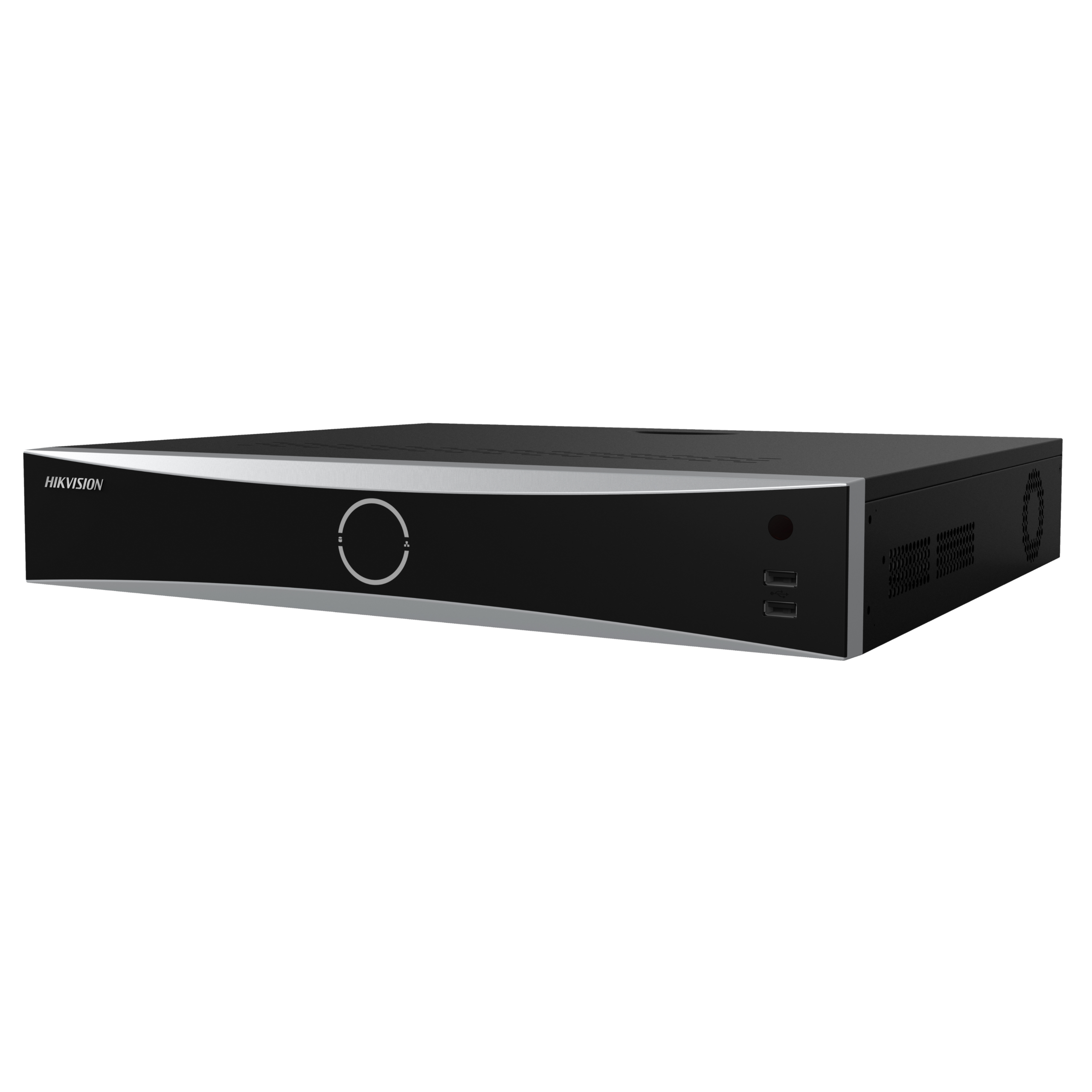
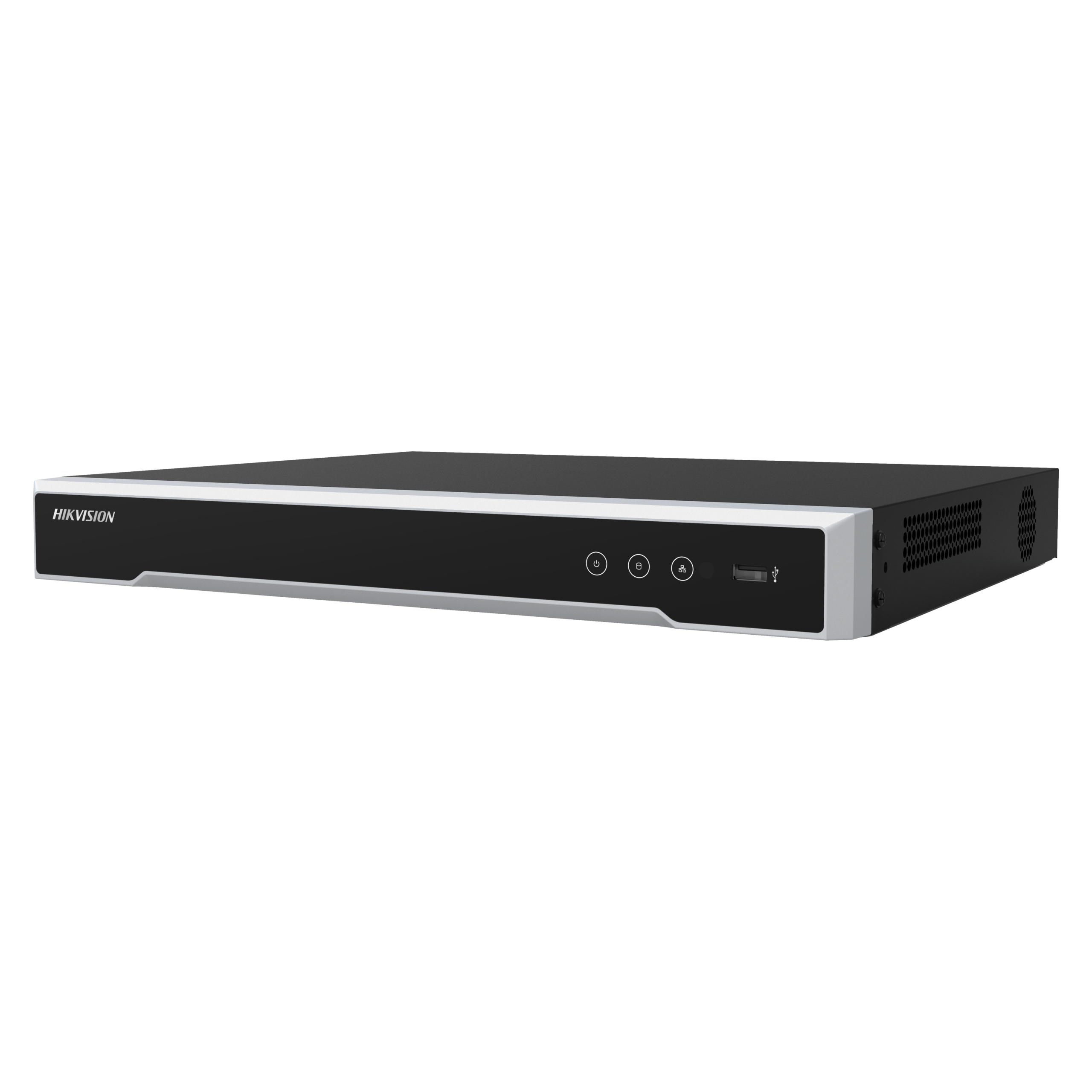
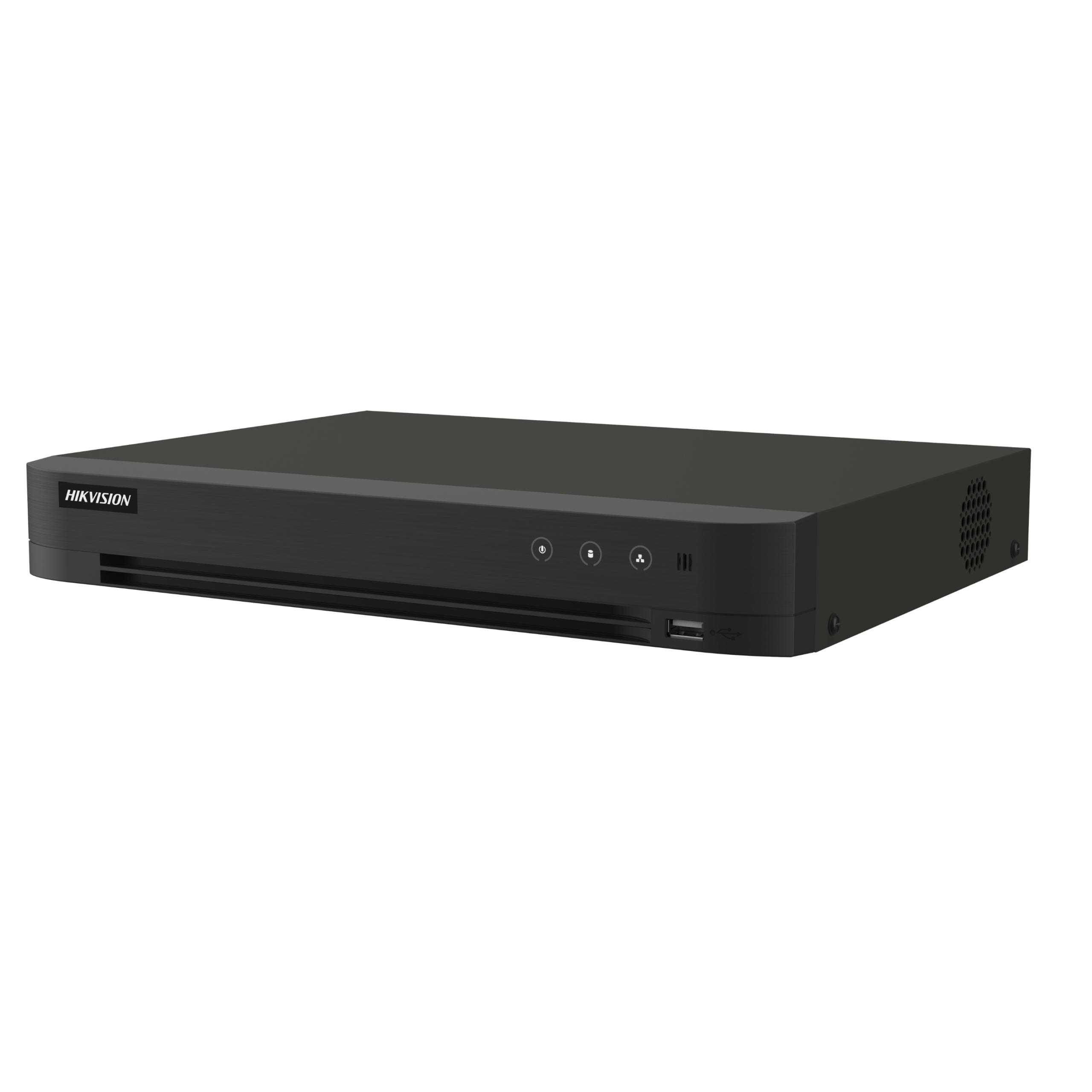
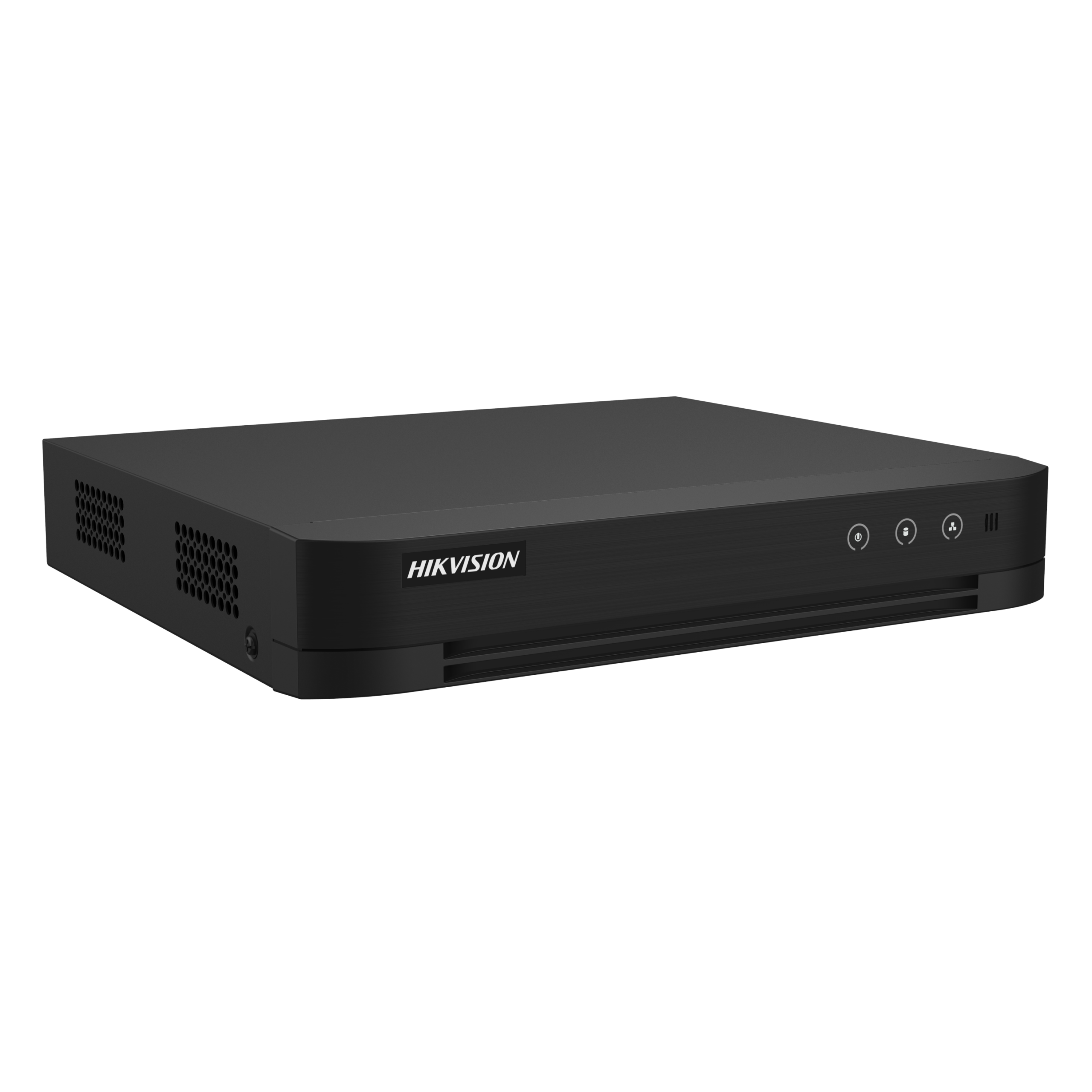
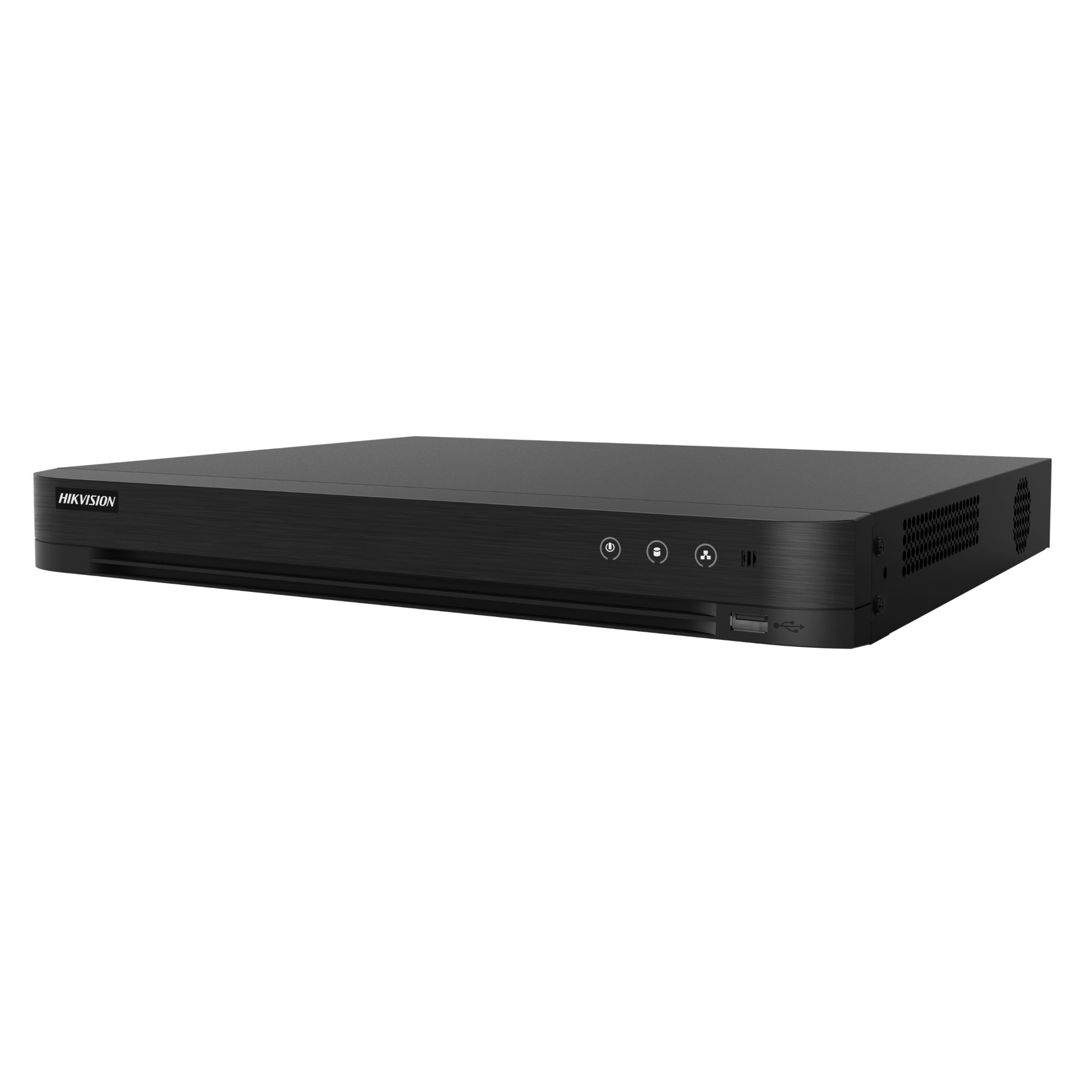
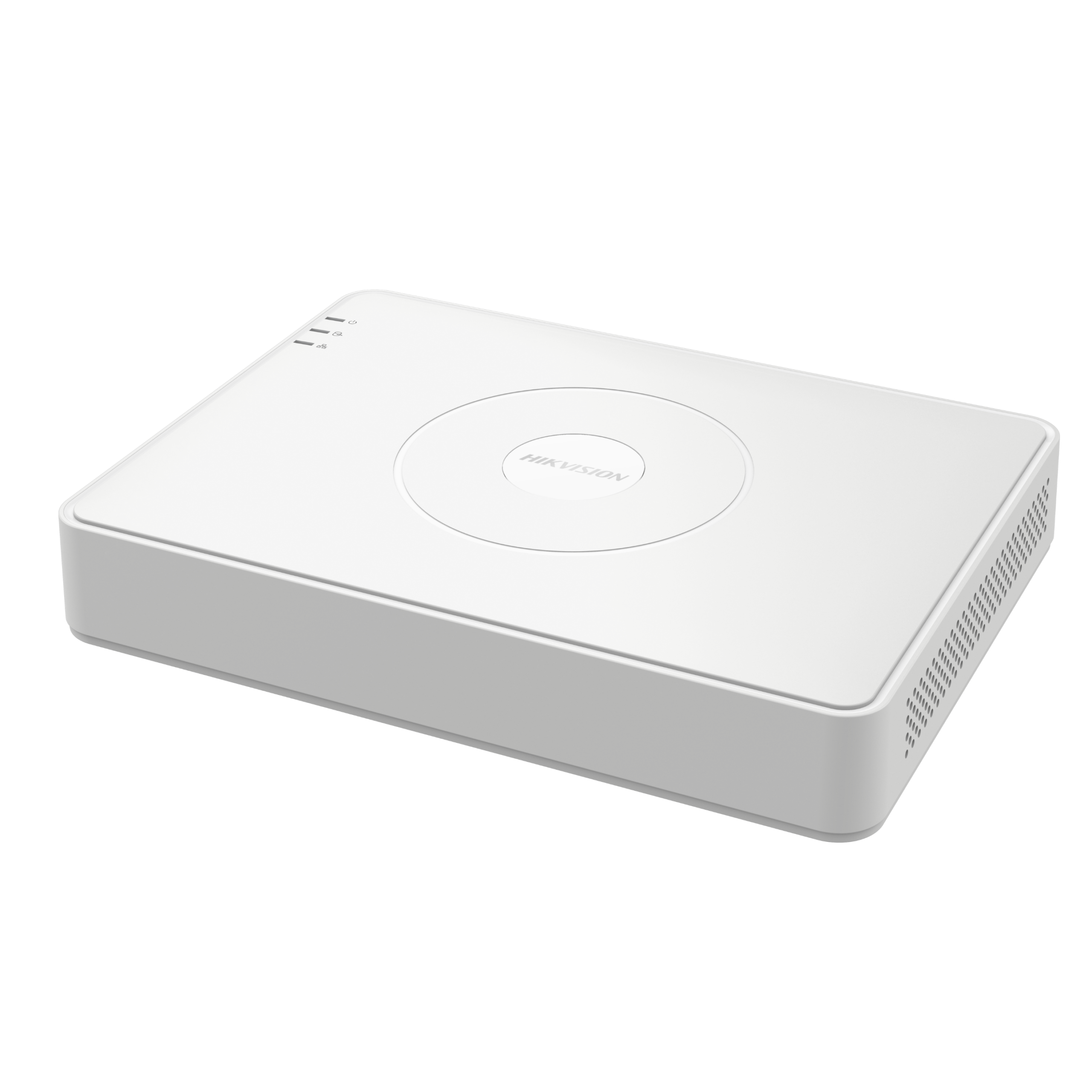
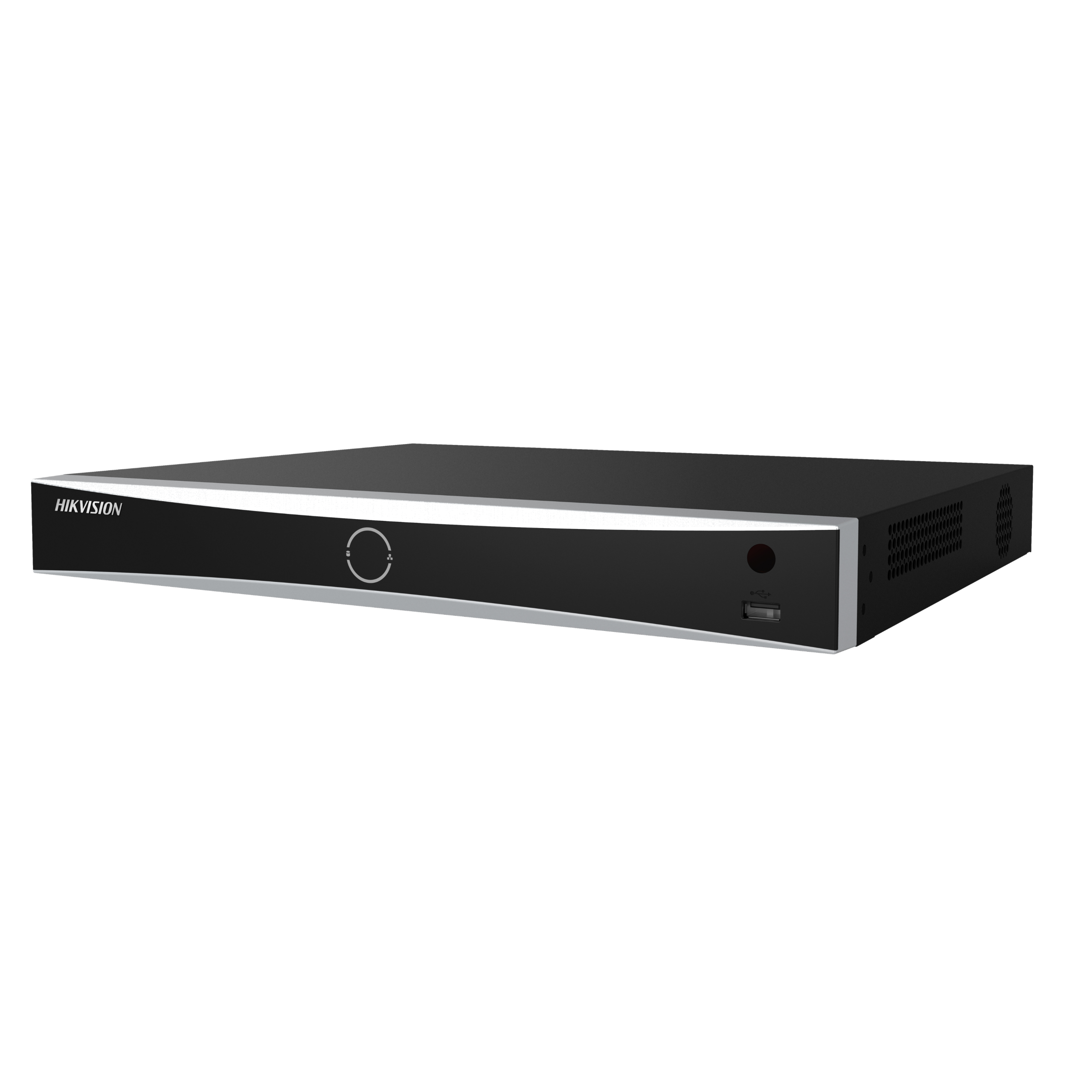
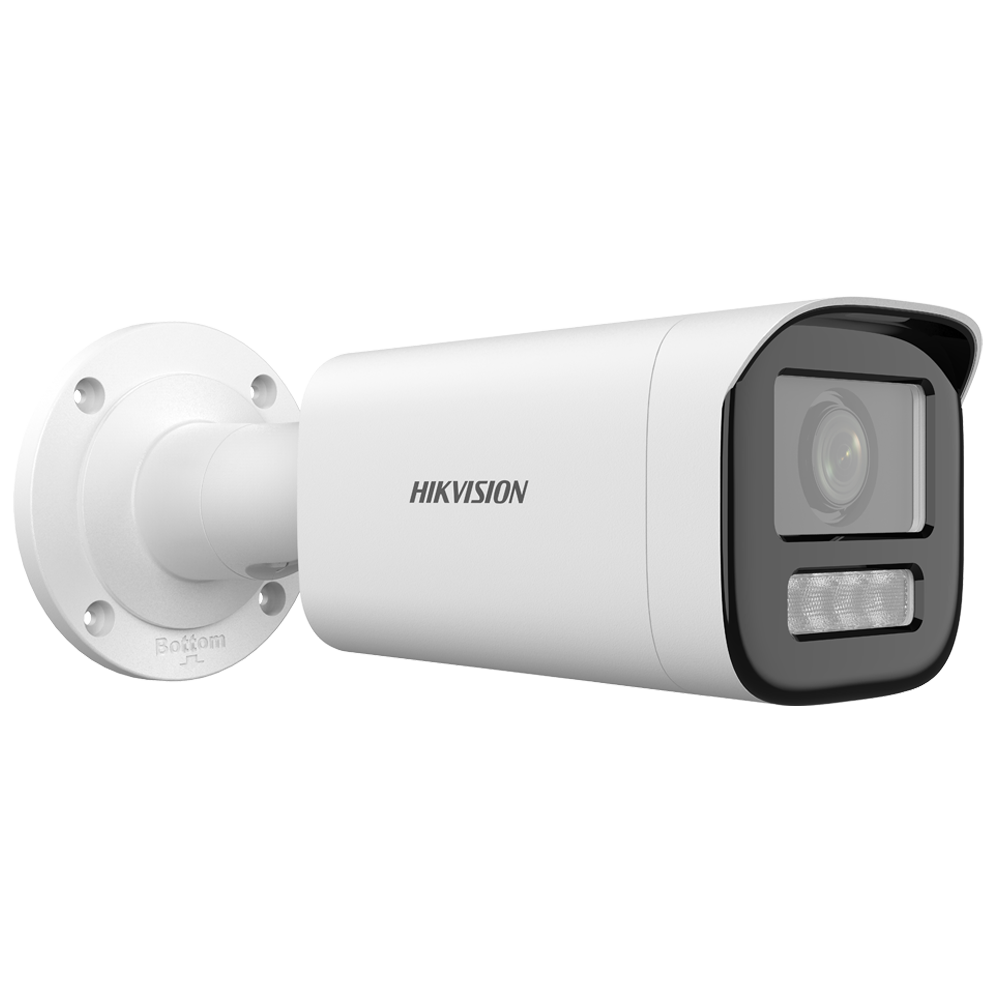
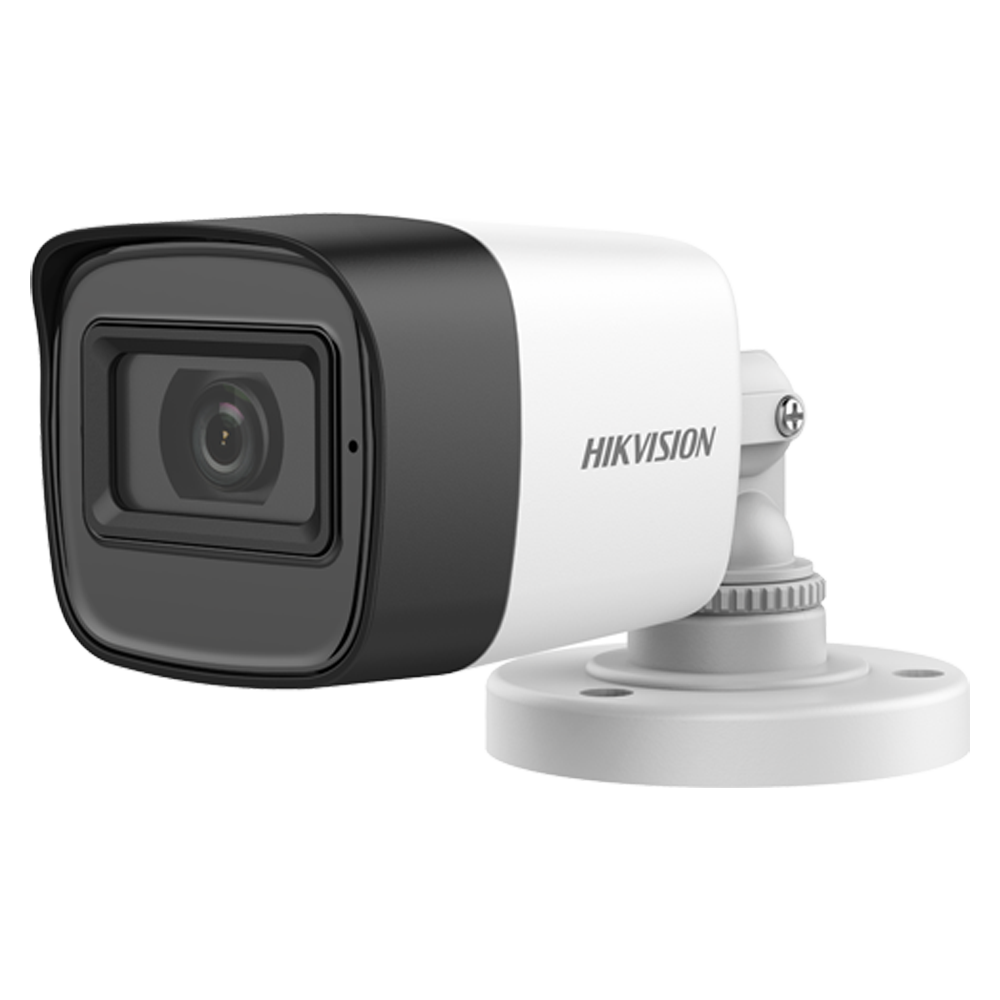
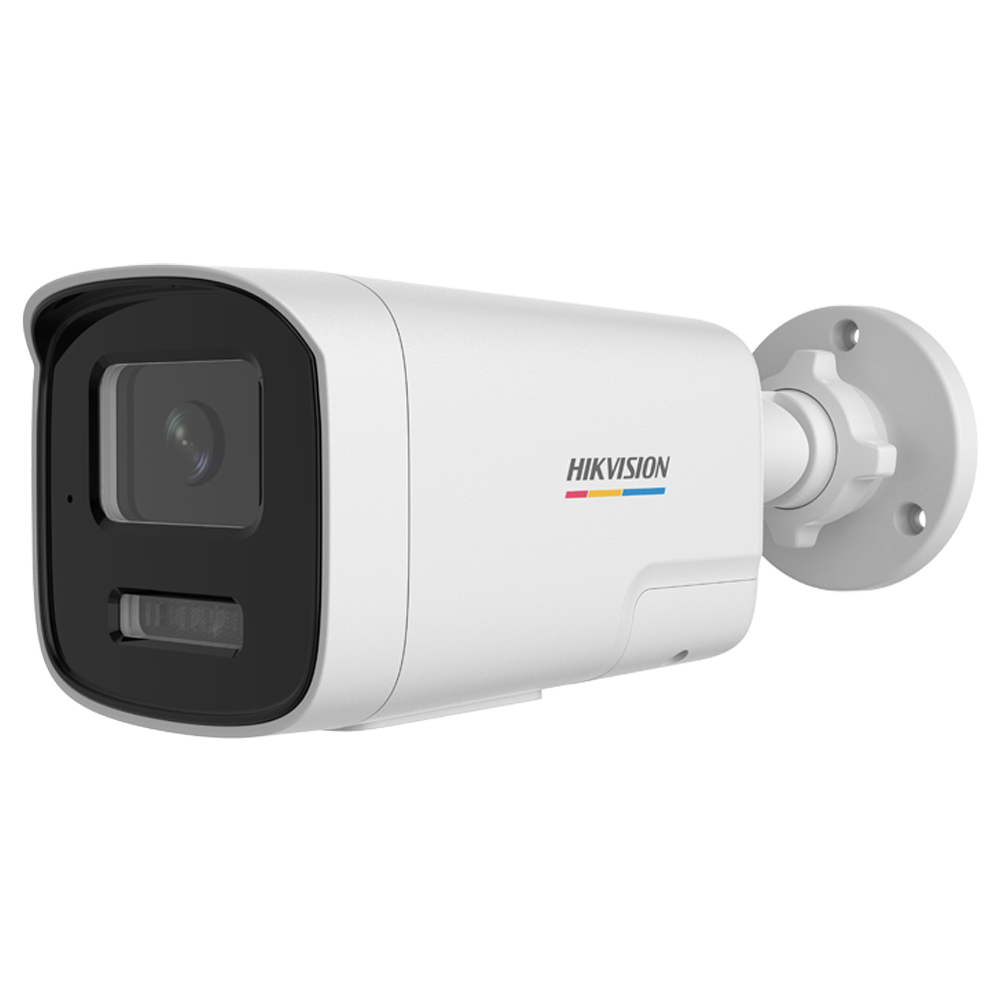
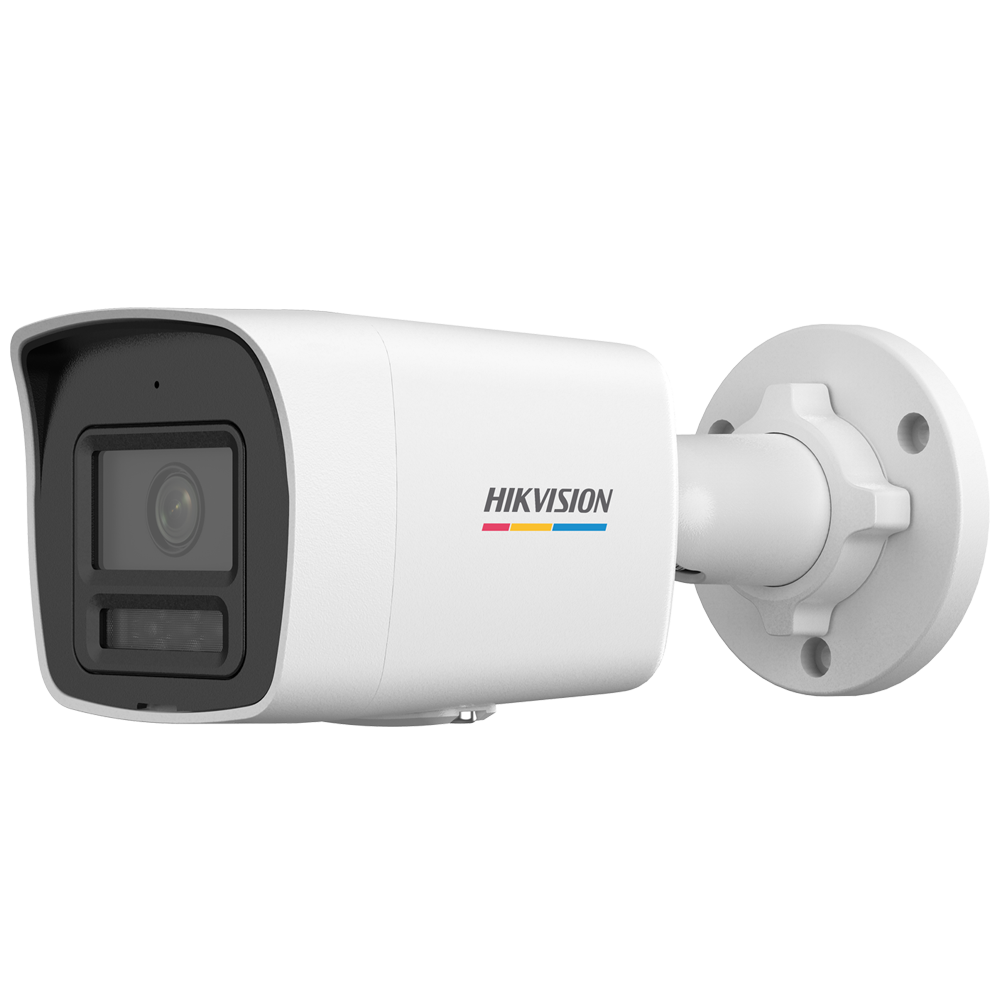

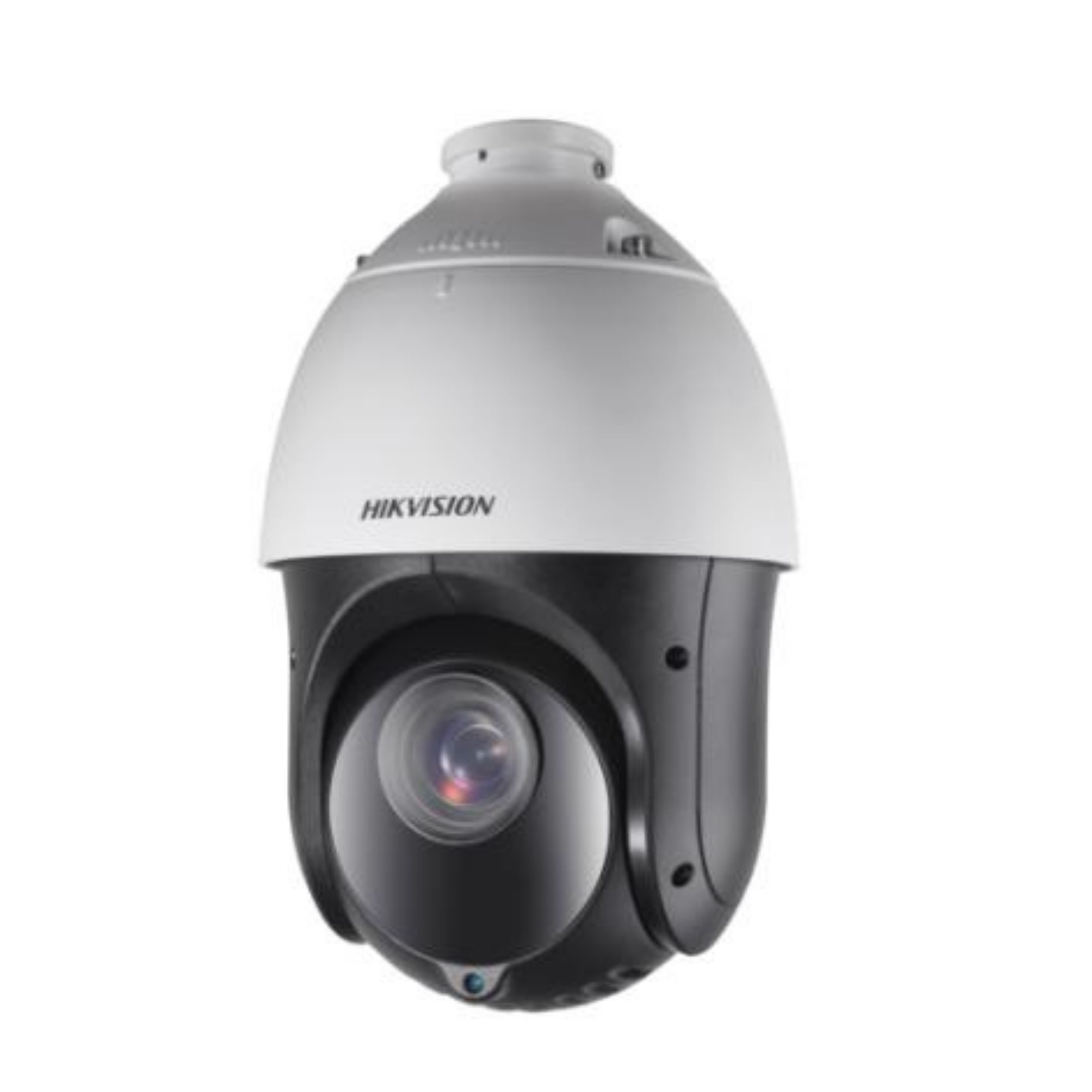
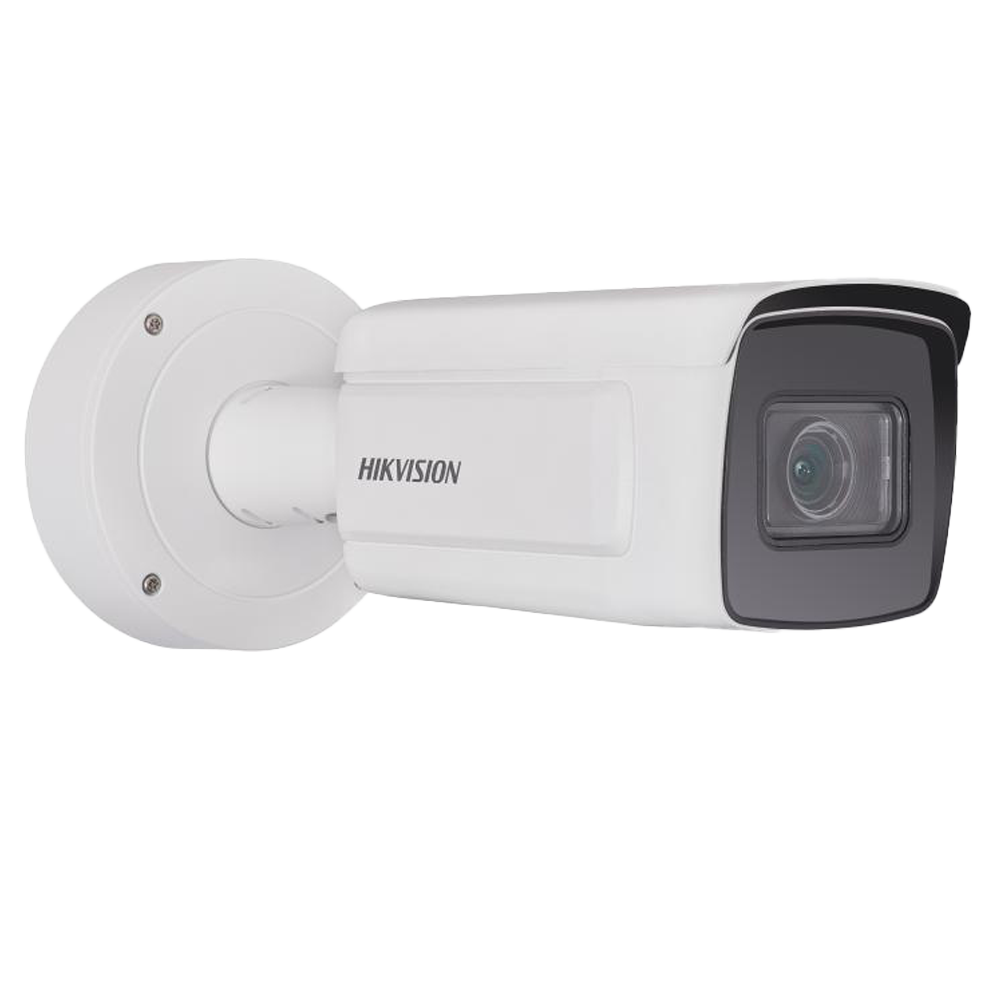
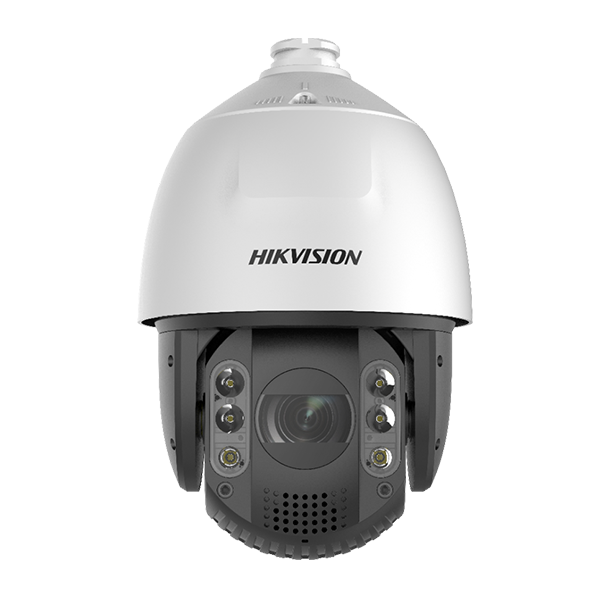
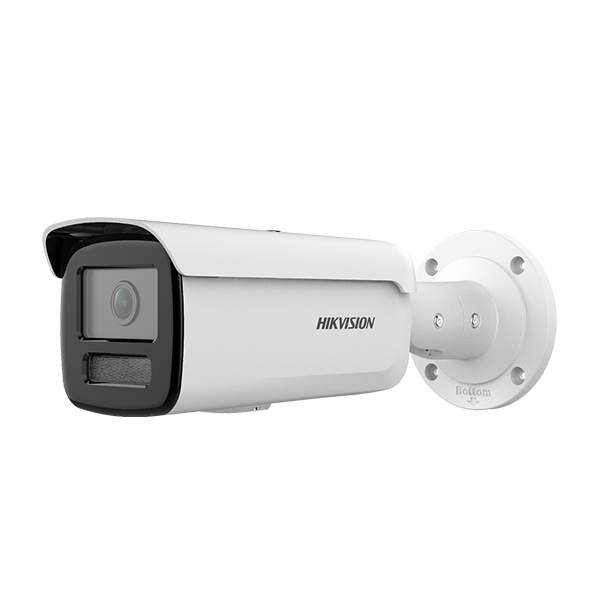
Selection guide and FAQ
First, determine the purpose: pixels/meter criterion
The European standard EN 62676-4 defines camera performance by the number of pixels per unit width of the target. This is the criterion we use when designing projects — not the megapixel value on the camera's label, but the pixel density achieved at the distance where the target is located.
| Purpose | Required density | What it achieves |
|---|---|---|
| Detection (is something there?) | ~25 pixels/meter | You understand that there is human/vehicle movement in the area; who it is cannot be determined |
| Observation (what is happening?) | ~62 pixels/meter | What the person is doing, which direction they are going is monitored; clothing color is distinguished |
| Recognition (do I know this person?) | ~125 pixels/metre | You will likely recognize a person or vehicle you have previously known |
| Identification (who is this person?) | ~250 pixels/metre | Facial features of someone you do not know are captured; can be used in legal proceedings |
Analog (HD-TVI/AHD/CVI) or IP?
This is the most frequently asked question and there is no single correct answer — what matters is your existing cabling infrastructure.
| Topic | Analog HD (coaxial) | IP (network cable) |
|---|---|---|
| Cable | Existing coaxial is preserved; separate power is run | Cat6 single cable; power also supplied from the same cable via PoE |
| Distance (single cable) | ~300–500 m (coaxial) | 100 m; beyond that extended with switch or fiber |
| Resolution | In practice 2–8 MP; limited options at the upper end | Wide range from 2 MP to 4K and beyond |
| Image analysis | On the recording device, limited | On the camera: line crossing, area intrusion, human/vehicle discrimination, license plate |
| Digital zoom | Poor — insufficient pixels | Strong; field can be enlarged after recording |
| Installation cost | Low in existing facility (cabling not renewed) | Low in new facility; cabling cost applies in older facility |
| Does it require network information | No — plug and play | Yes: IP plan, switch capacity, PoE budget |
| Disadvantage | Low analysis and resolution ceiling | Video freezes/drops if network setup is incorrect |
Camera types and where they are used
| Typical use | Where suitable | Caution points |
|---|---|---|
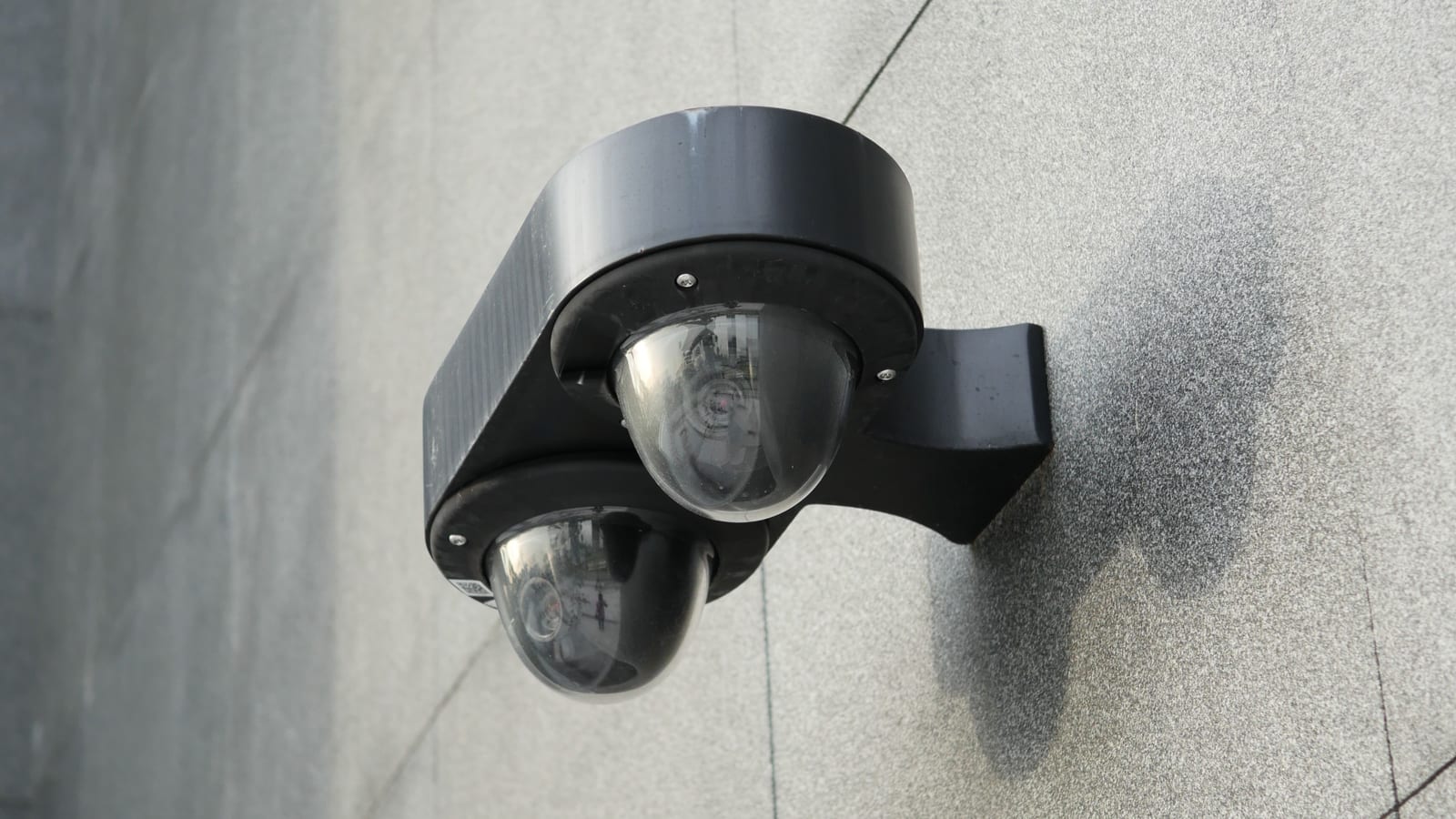
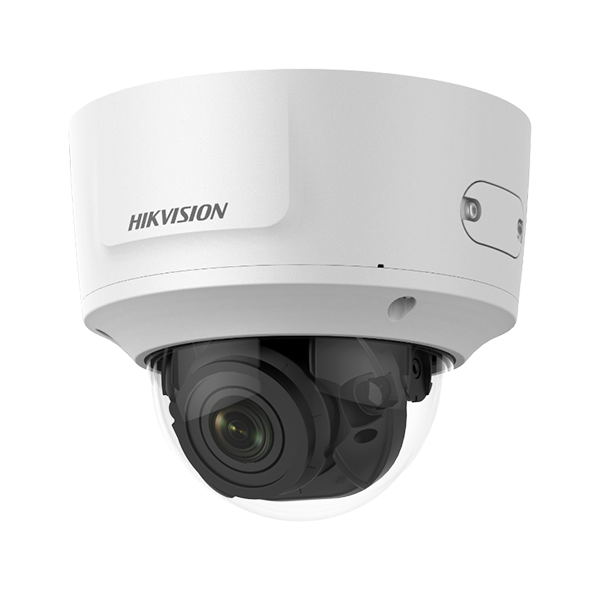
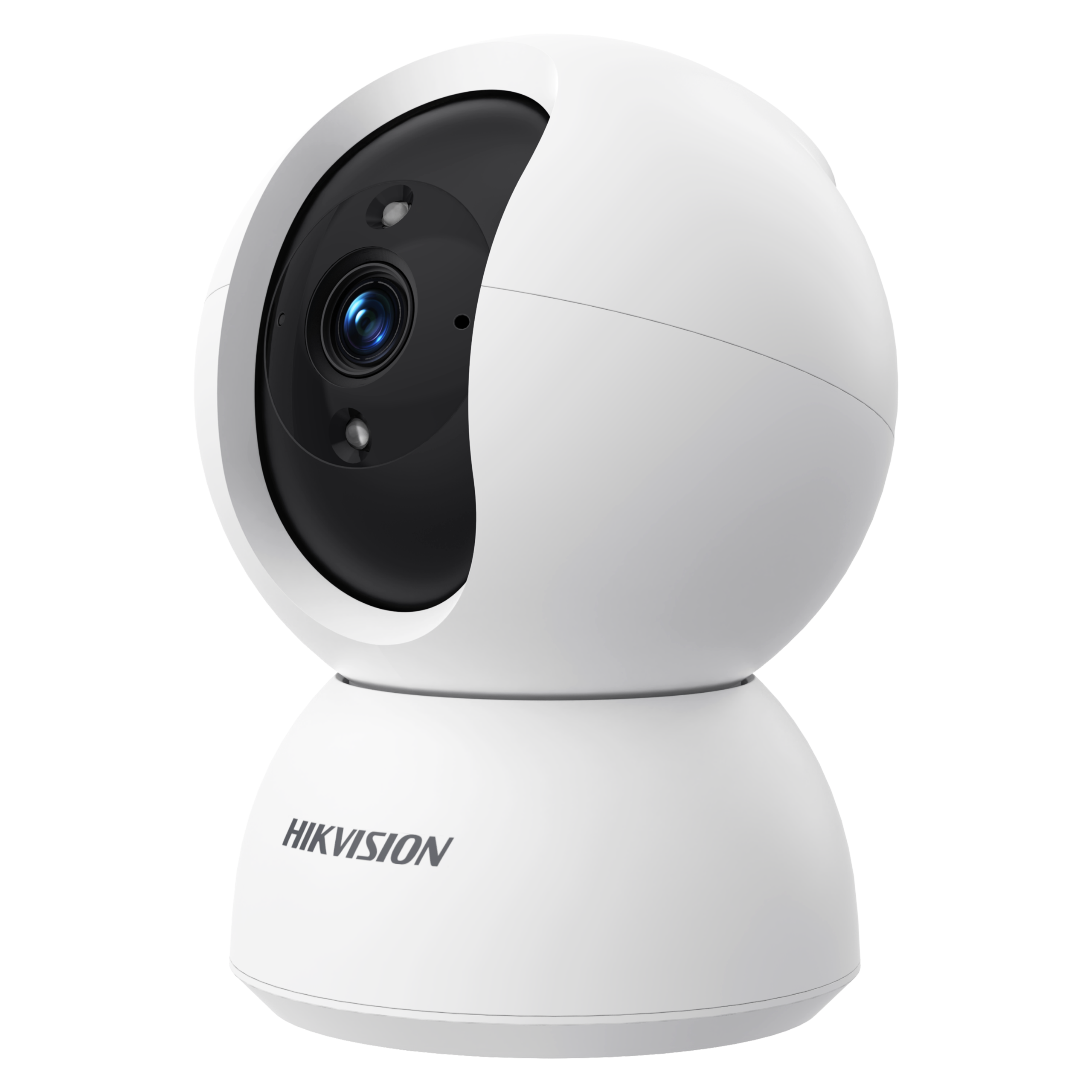
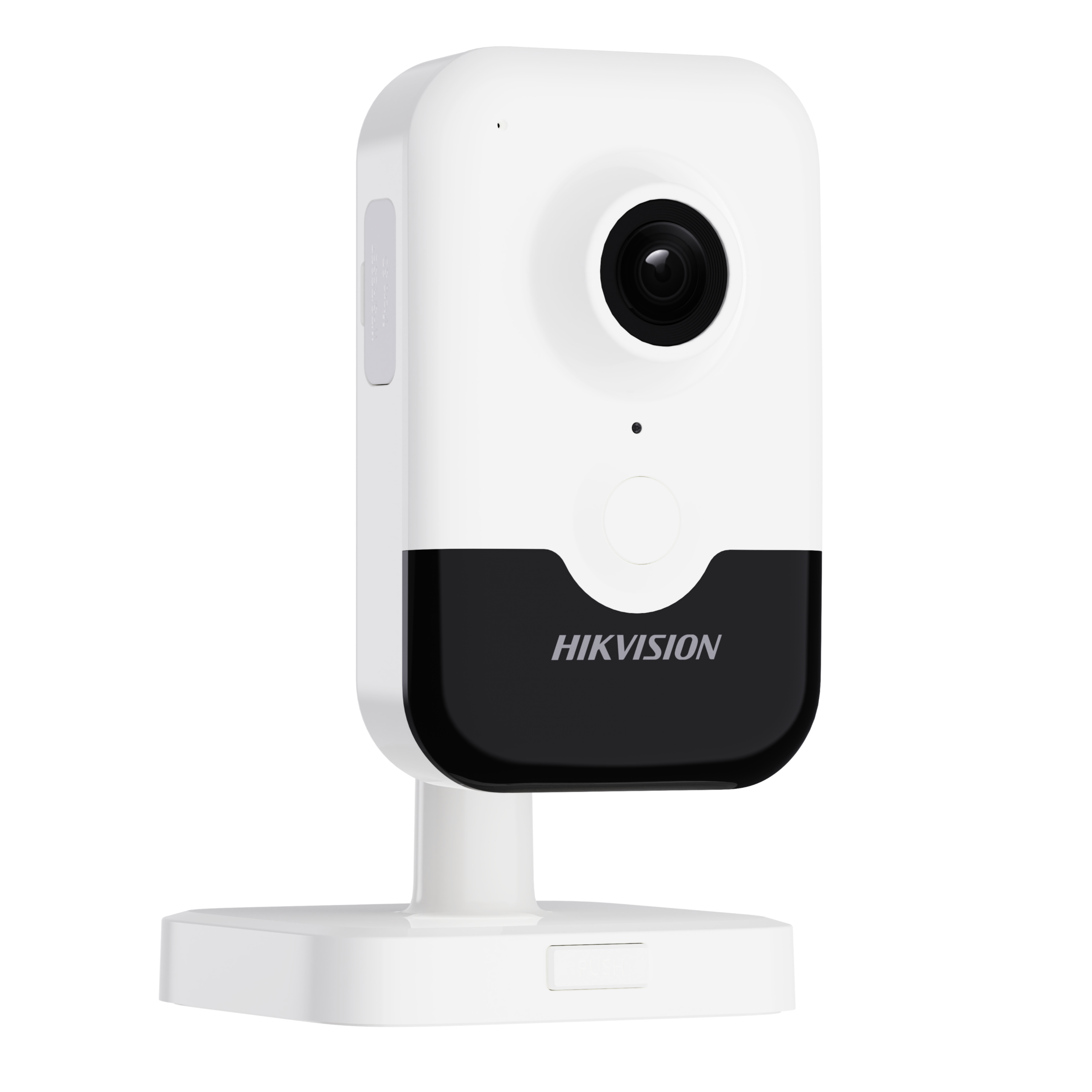
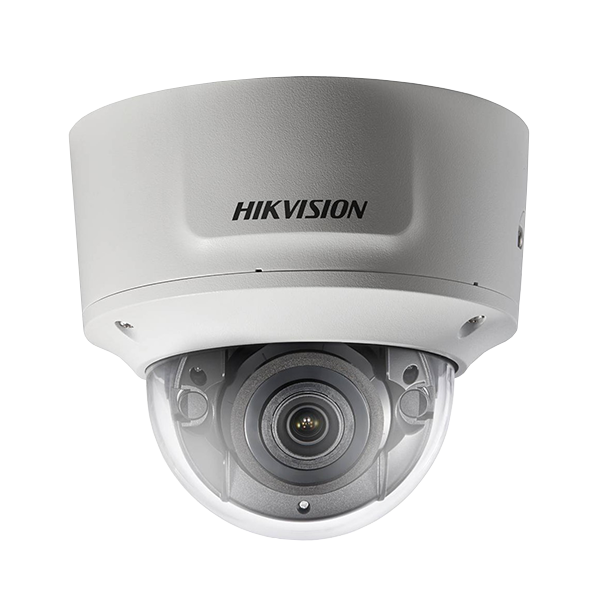
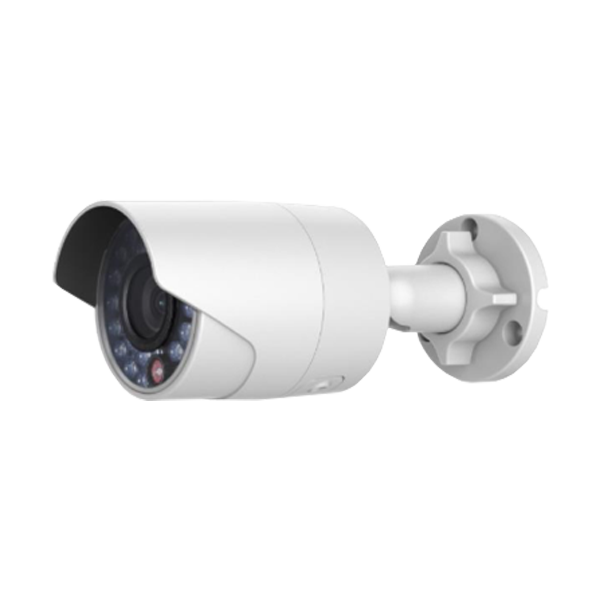
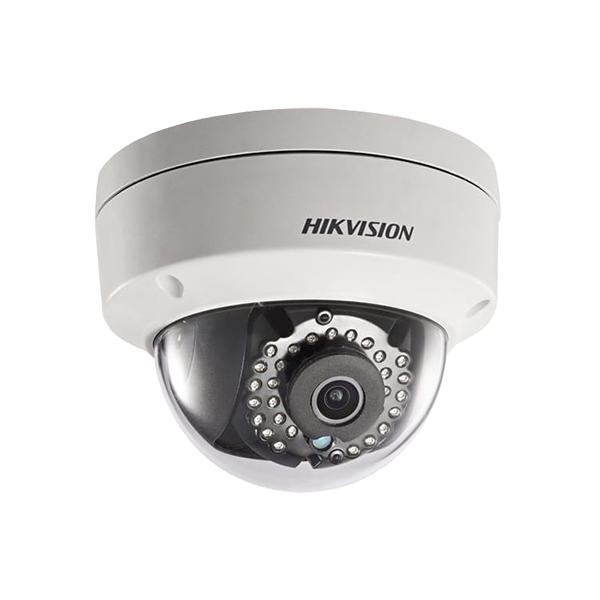
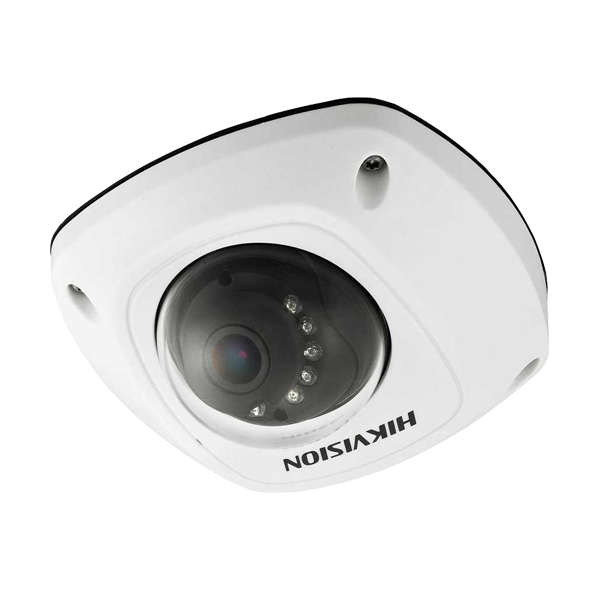
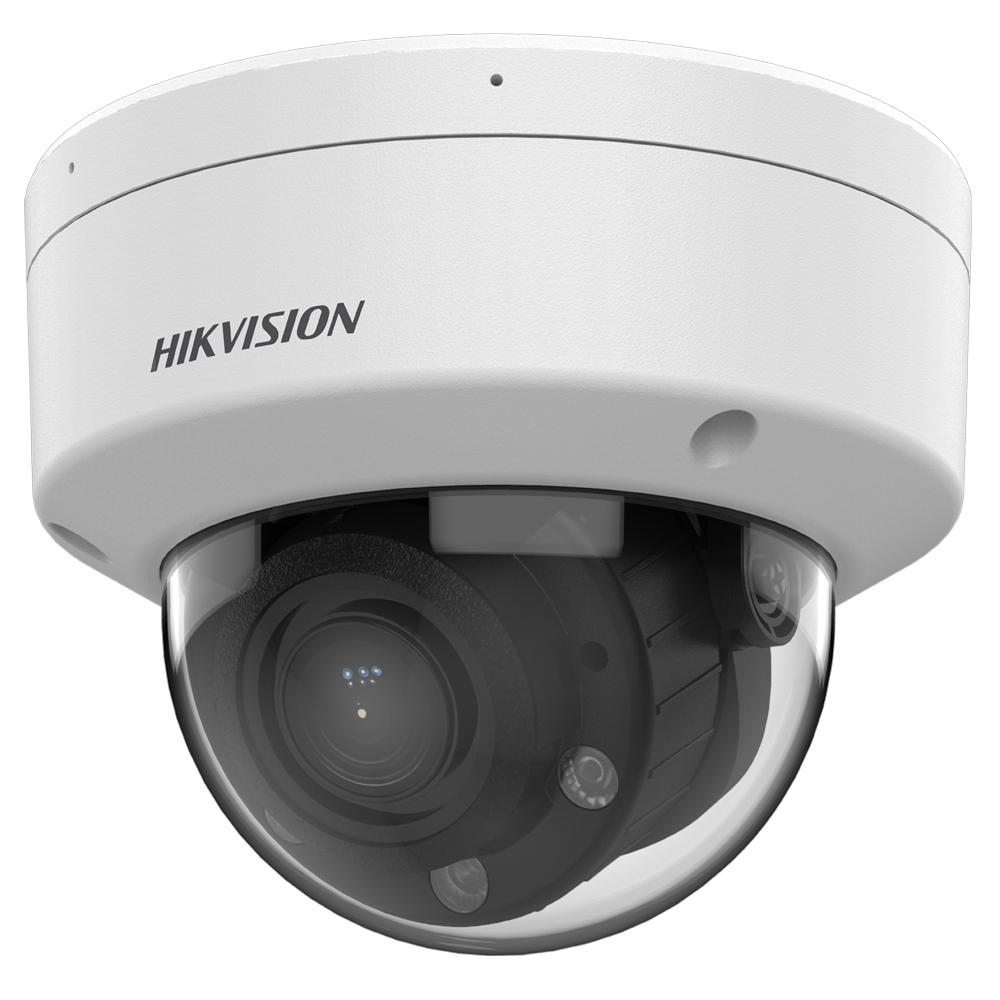
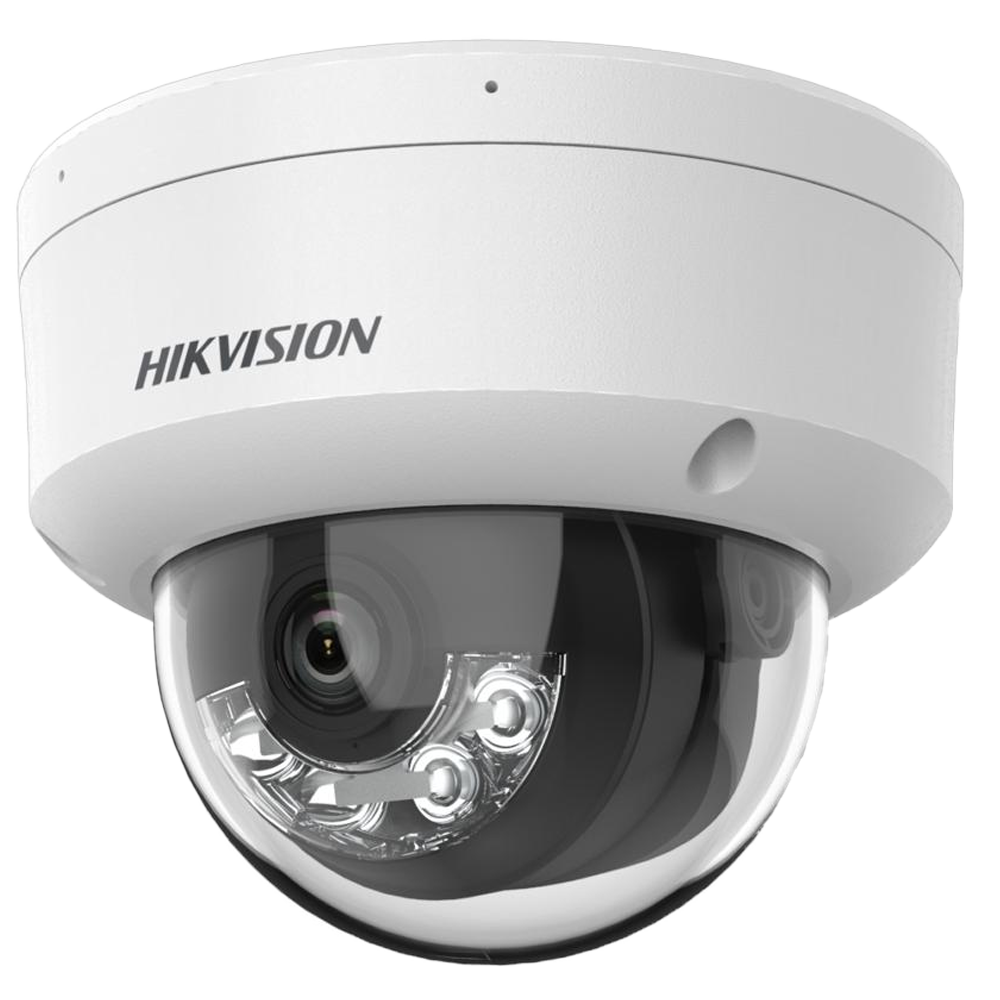
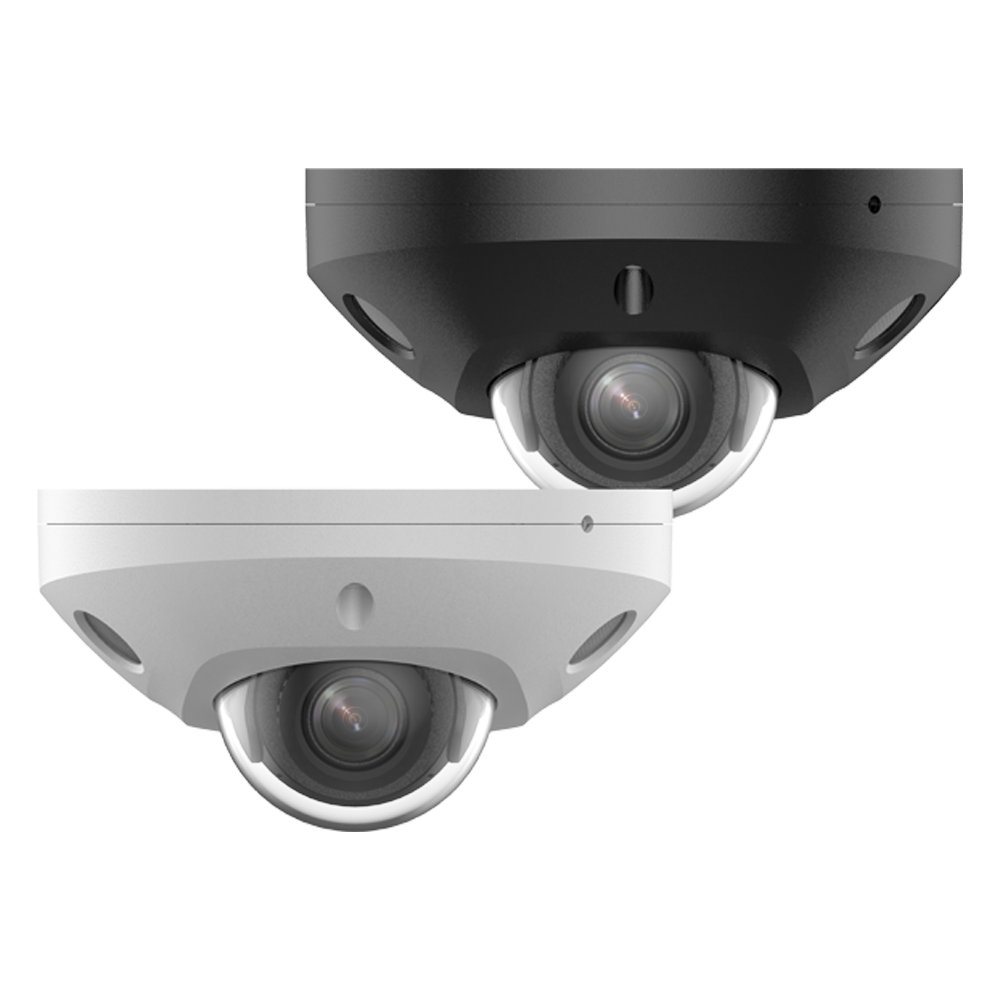
| Dome | Indoor, ceiling; store, office, corridor | Direction of view is not apparent from outside; dome glass IR reflection can bounce light inward (image becomes blurry when soiled) |
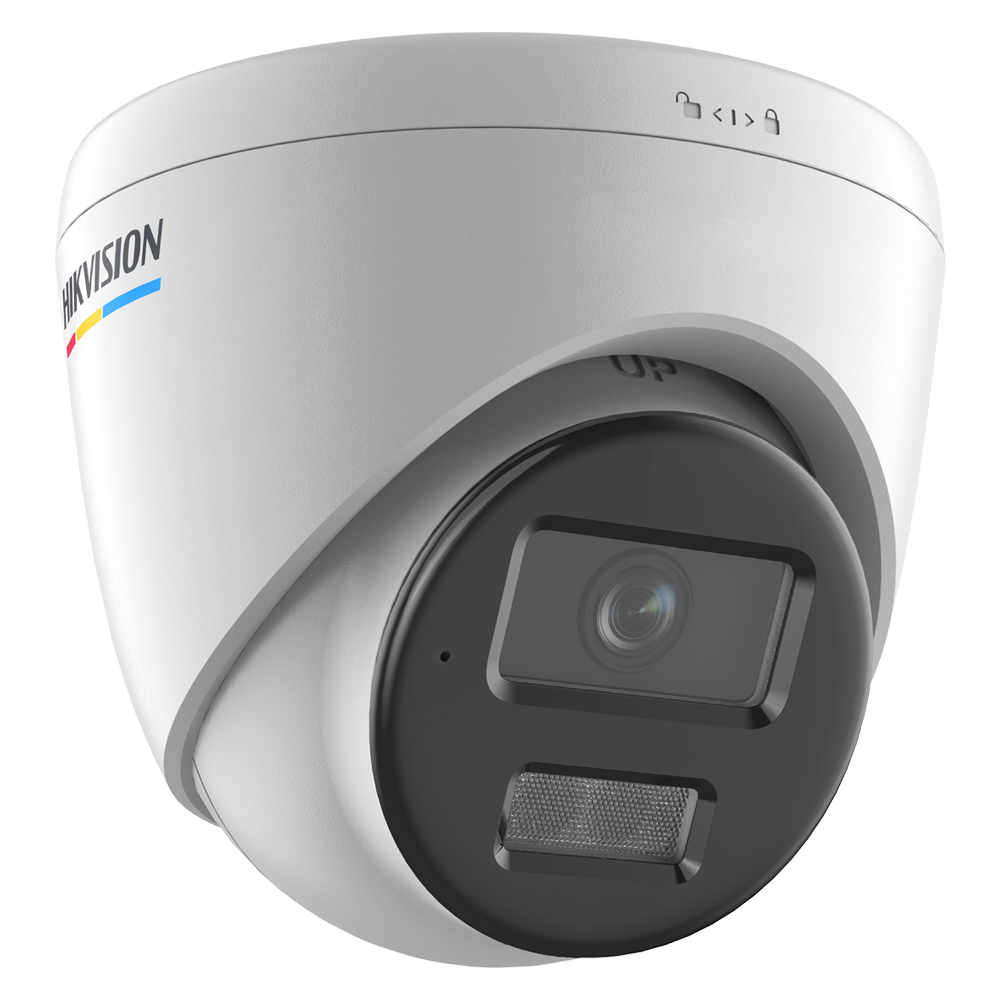
| Turret (eyeball) | Indoor and outdoor; alternative to dome | No dome glass, therefore no IR reflection issue — increasingly preferred in the field over dome installations |
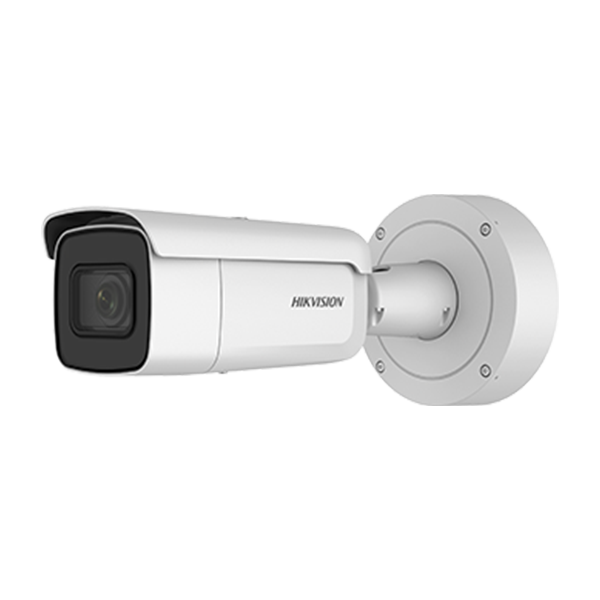
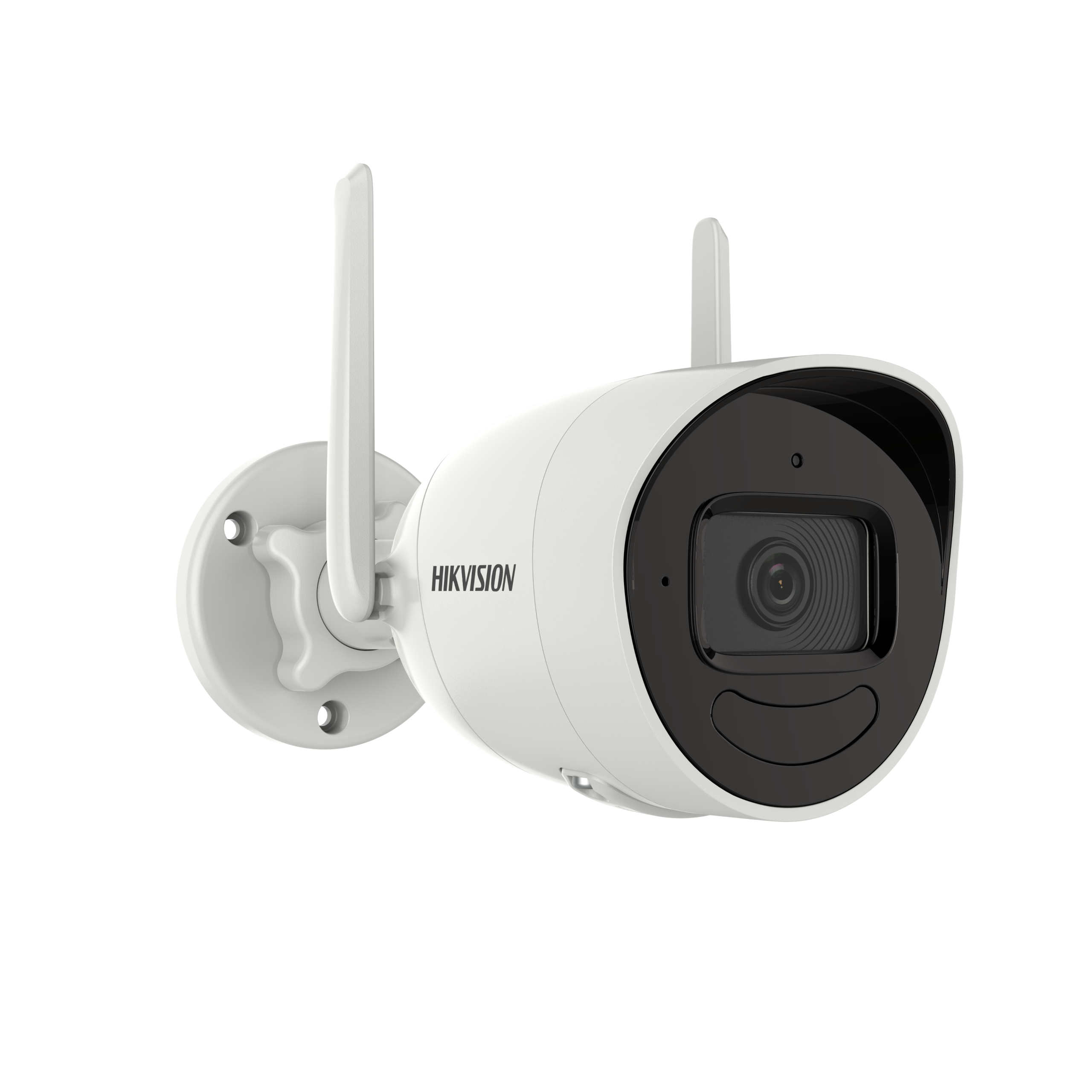
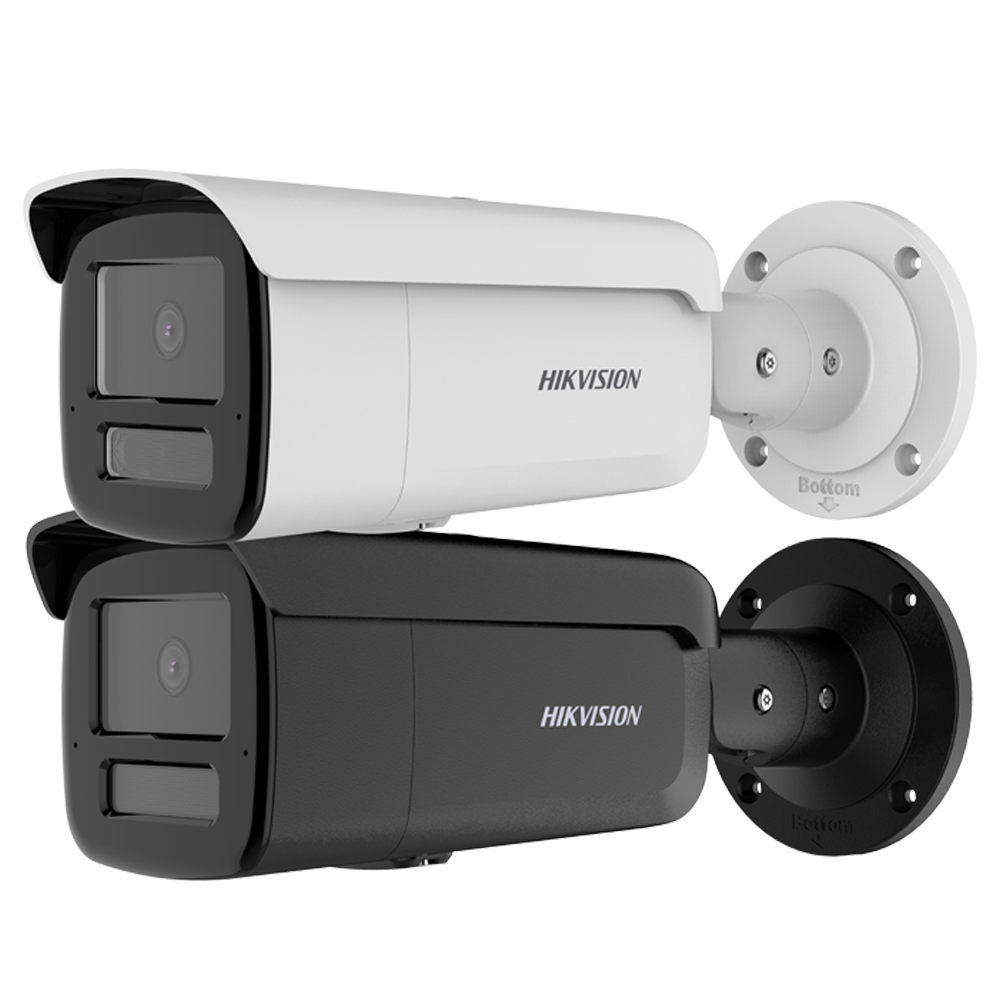
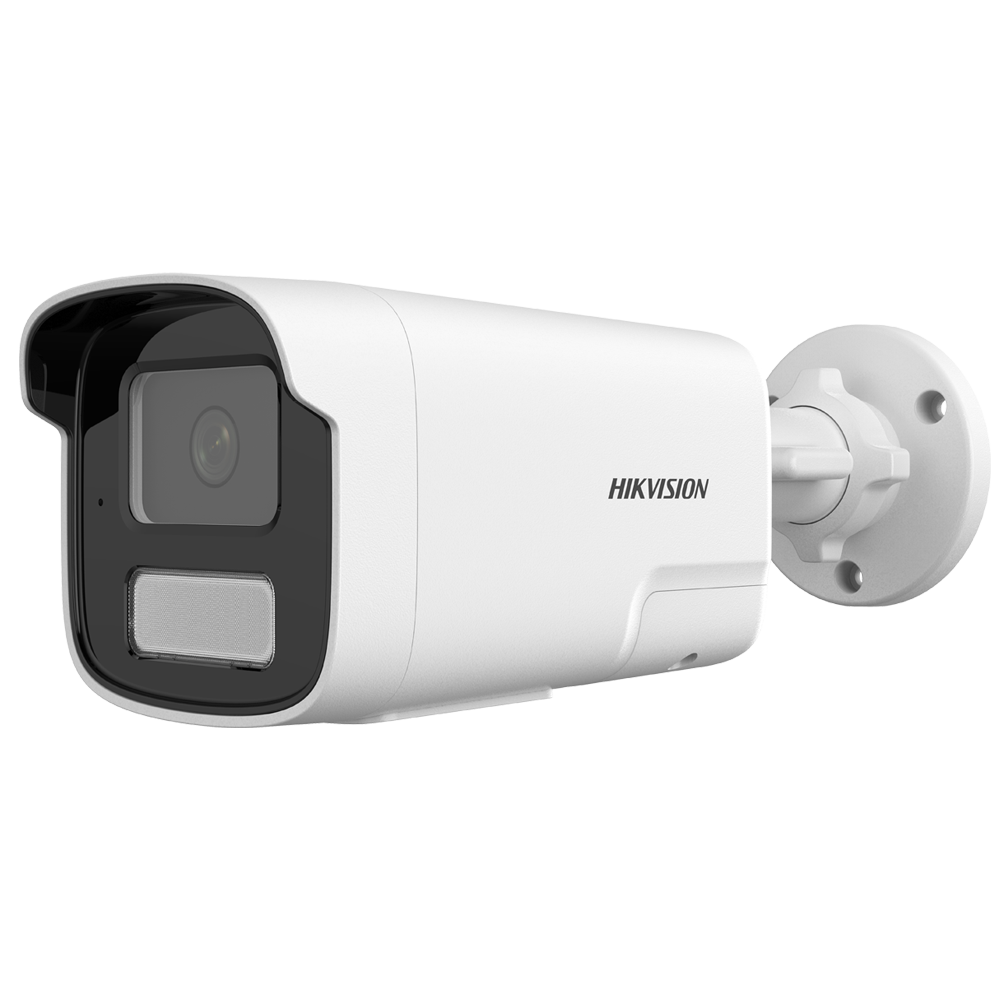
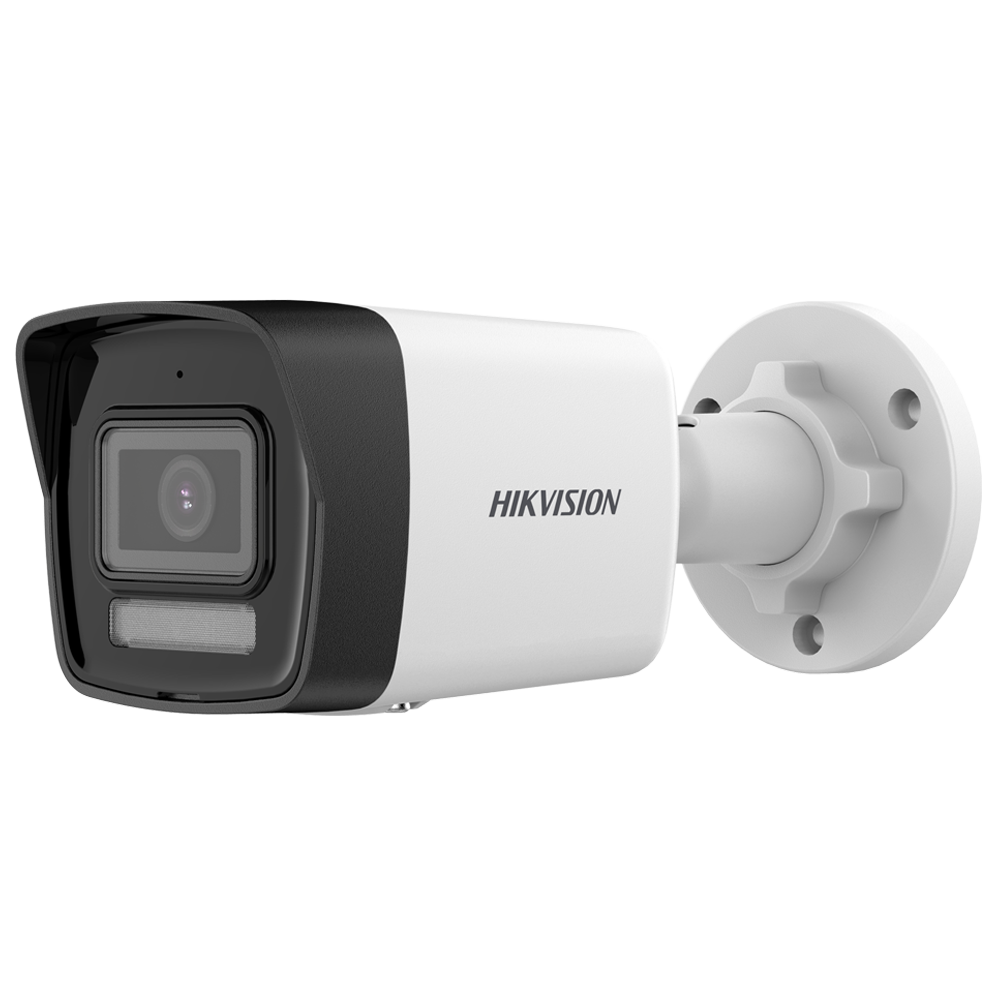
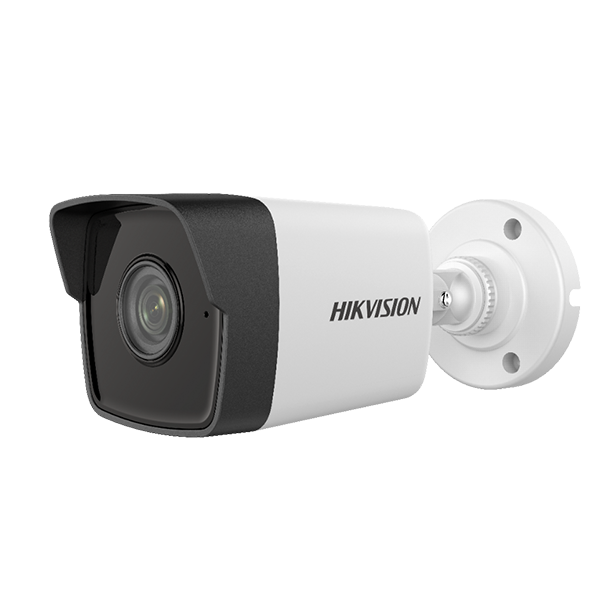
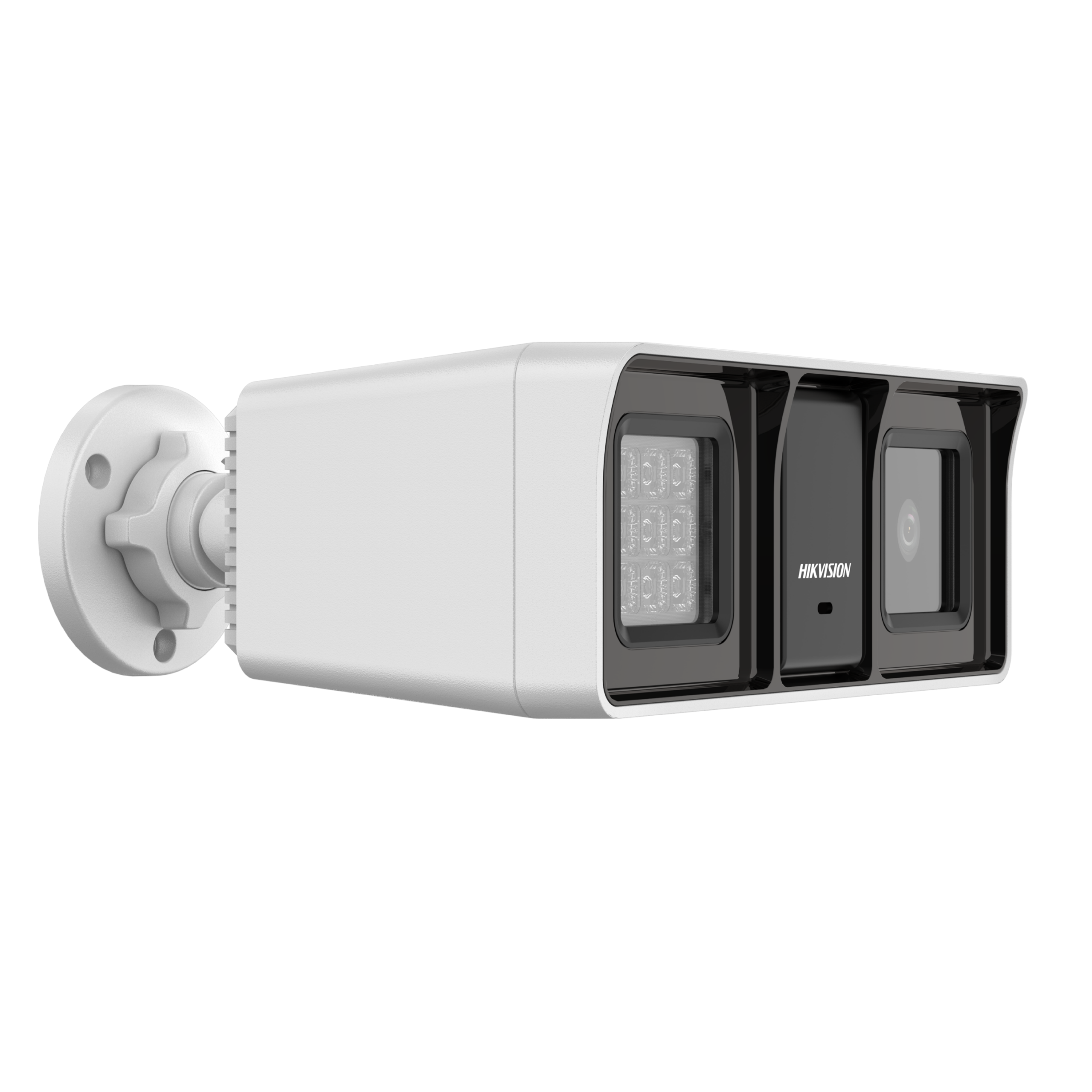
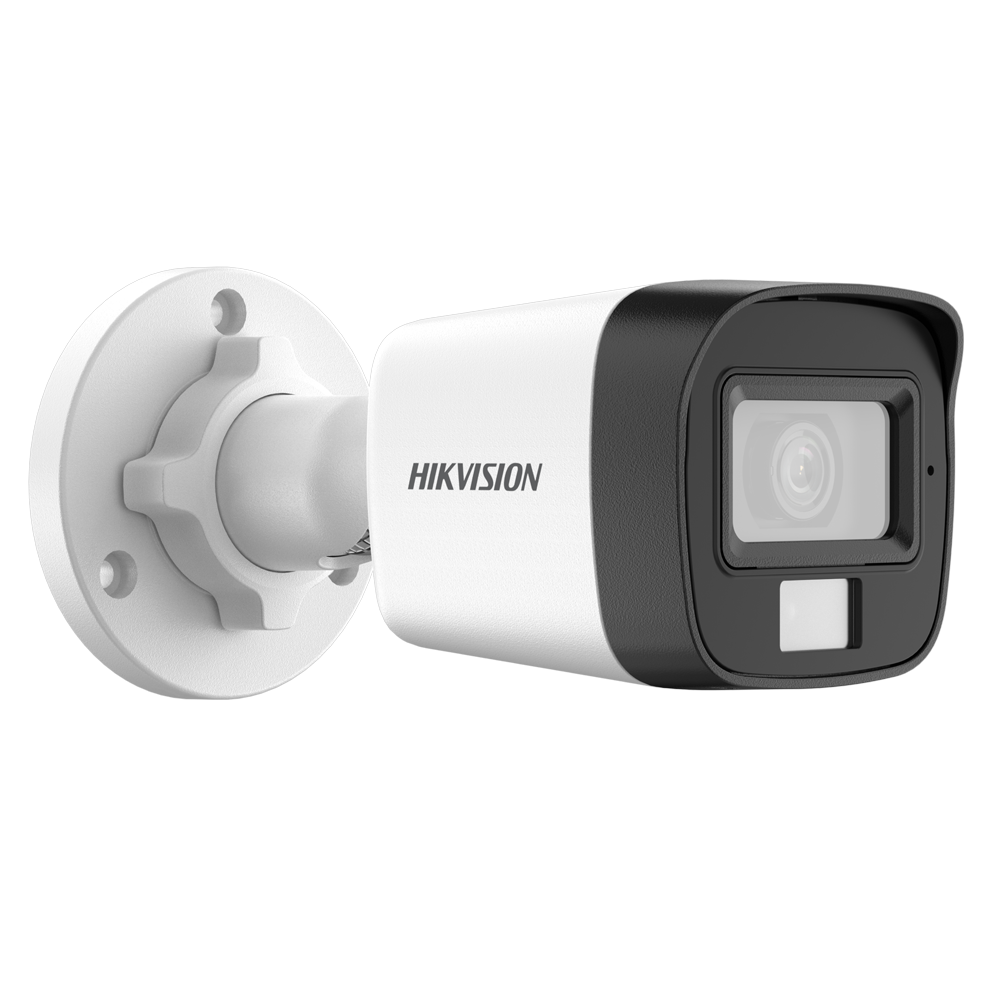
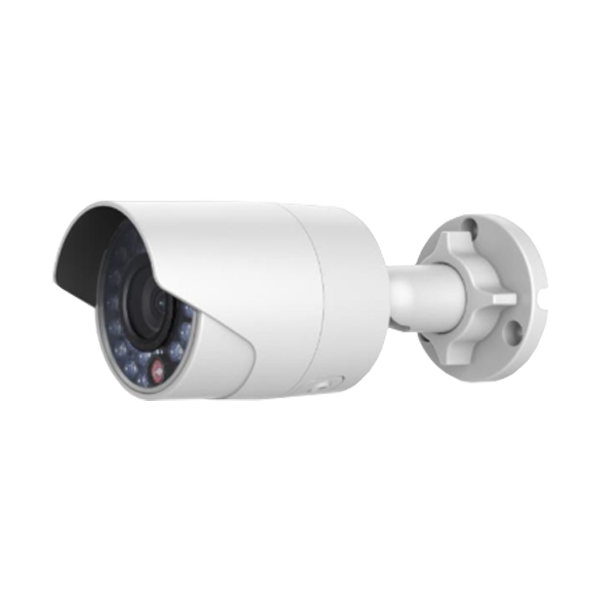
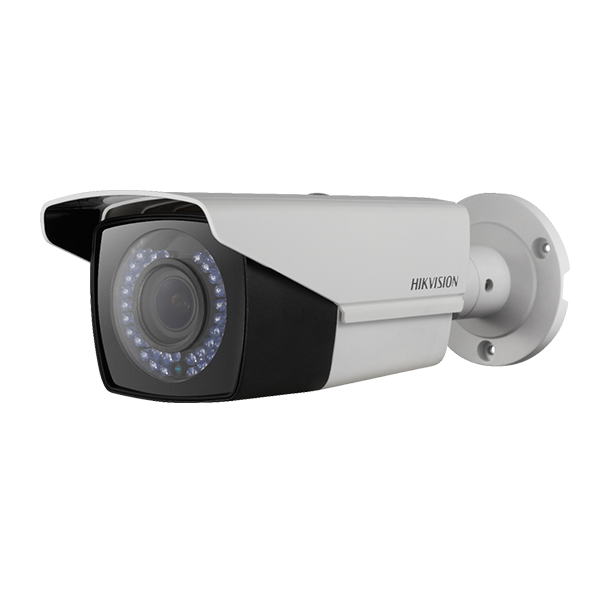
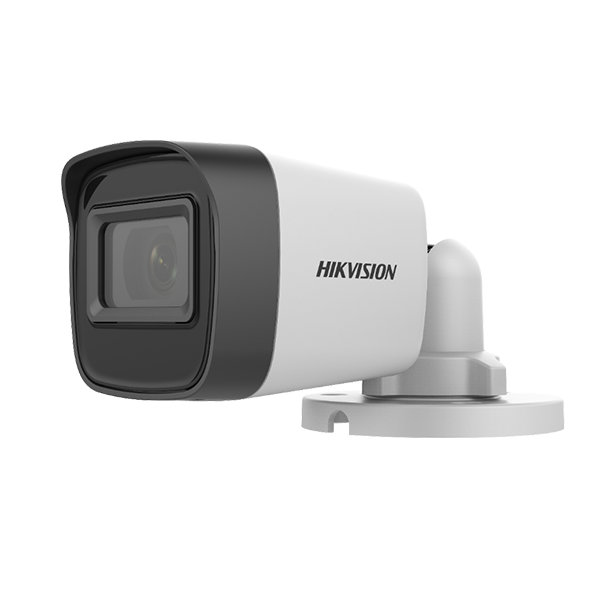
| Bullet (cylinder) | Outdoor, facade, parking lot, long distance | Visible, high deterrent effect; however, direction is readable from outside and prone to snow/dust accumulation |
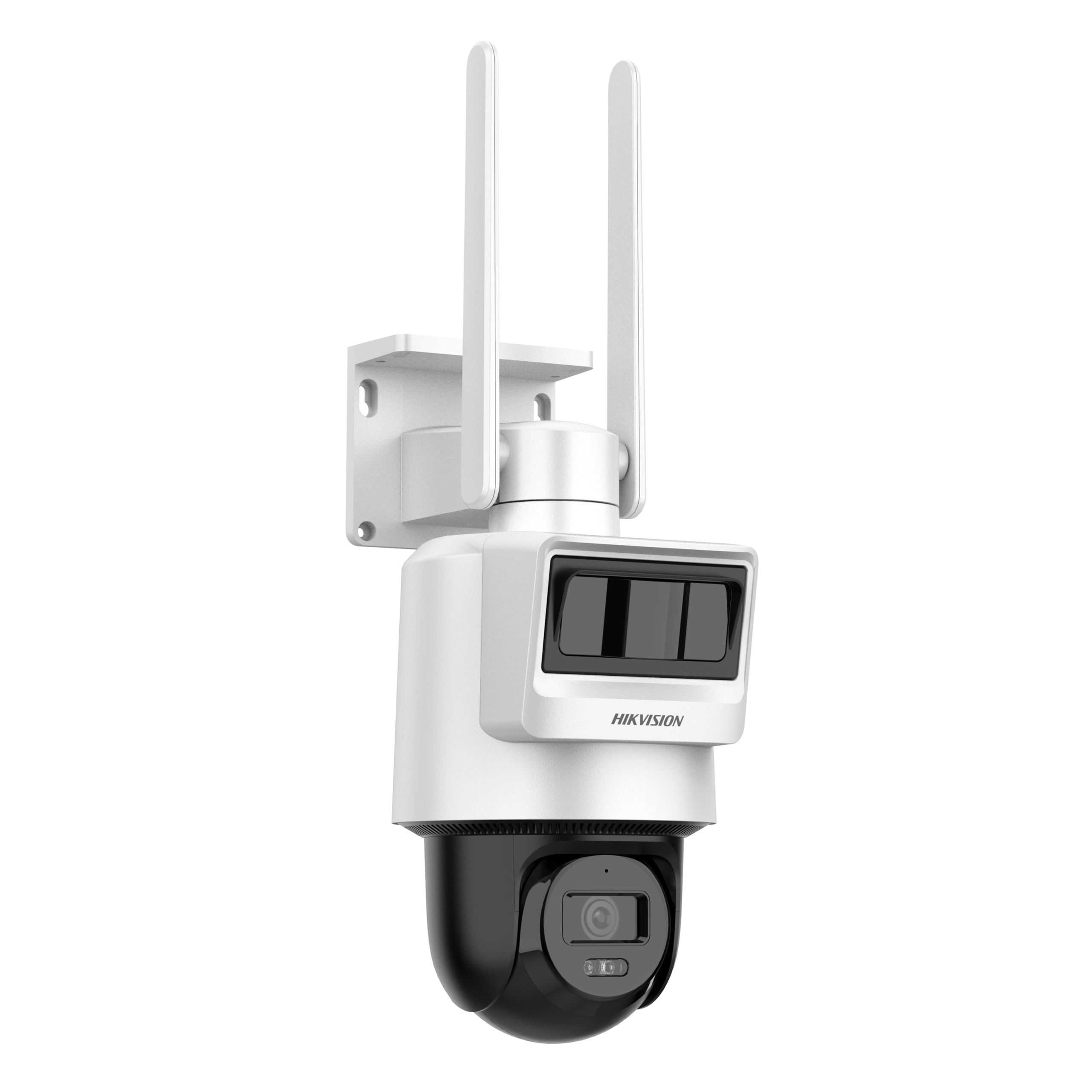
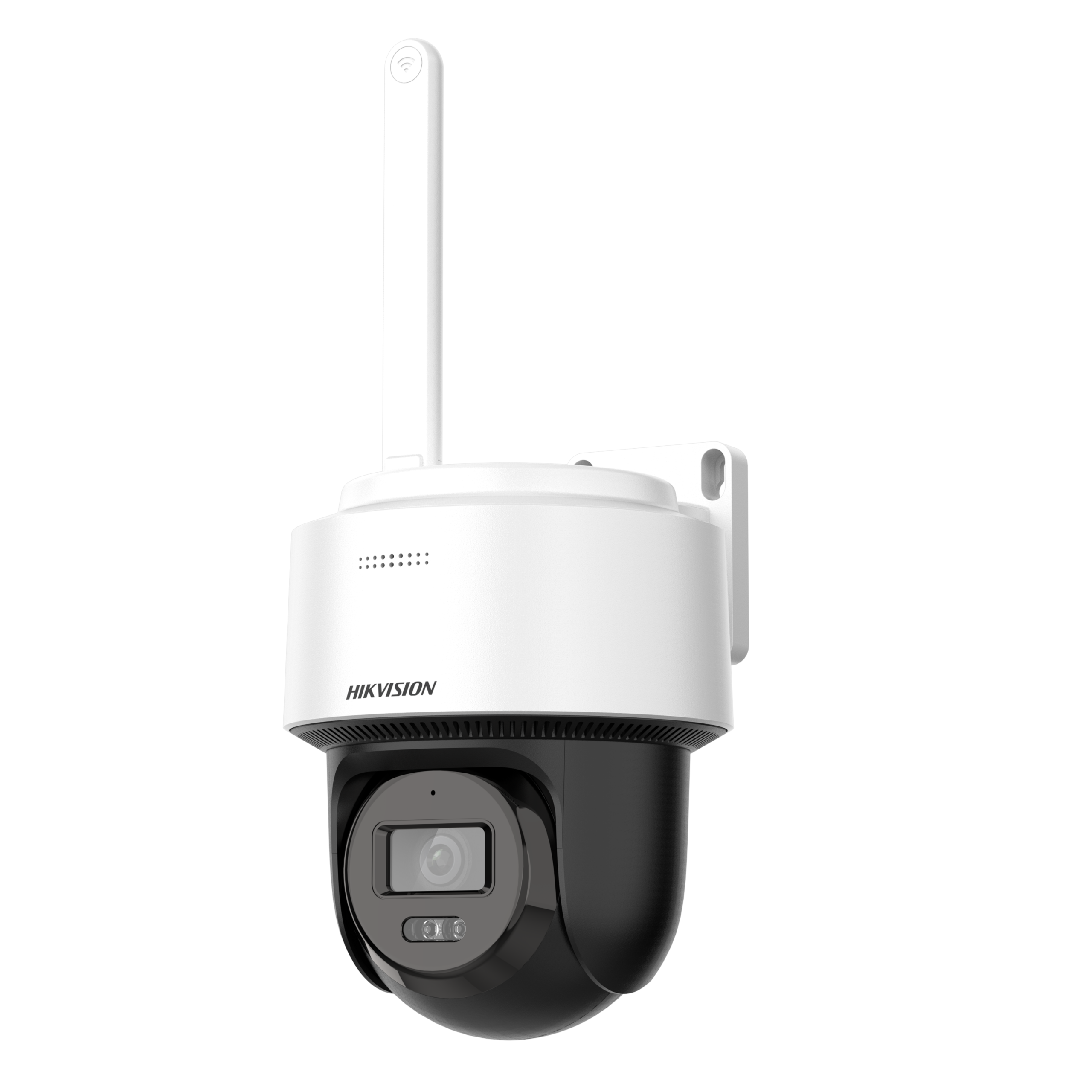
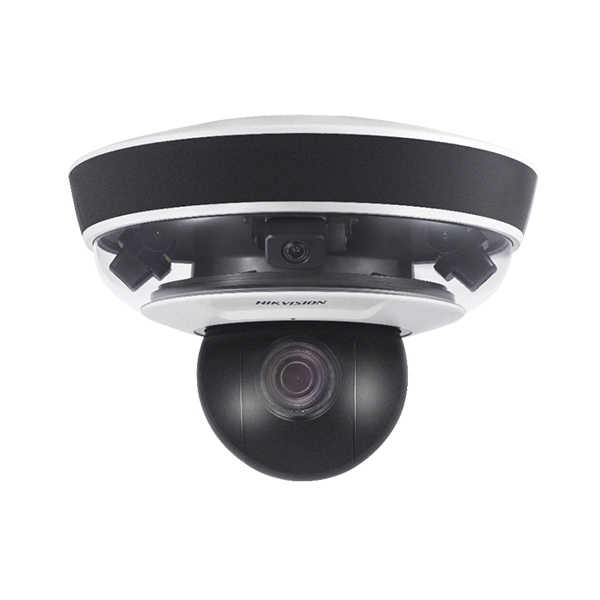
| PTZ (pan/zoom) | Wide open area, port, field, stadium | Meaningful only if there is a dedicated operator monitoring or automatic tracking setup; will miss events when viewing another direction. Fixed camera is added alongside |
| Fisheye / 360° | Wide indoor field of view from a single point | Covers the entire area but detail is weak; not suitable for identification |
| Thermal | Perimeter security, darkness, smoke, fog | Sees temperature difference: does not require light but does not READ faces and plates. It is for detection, not diagnosis |
| License plate recognition (ANPR) | Vehicle entry-exit | It is a separate discipline; angle, speed, and illumination are critical. Detailed explanation is provided in our License Plate Recognition category |
Six key details that make the most difference in the field
- Night vision is provided by the camera's own infrared (IR) light and the "50 m IR" value on the label is measured in open space. If there is a wall, tree, or rain, the actual range decreases. In places with light, low-light (starlight) sensors that provide color night vision are more practical — face color is lost in black-and-white IR image.
- Backlighting (entrance door, glass facade, storefront) turns a person into a silhouette in a camera without WDR capability. WDR is not a negotiable feature in entrance cameras.
- Outdoors, IP66/IP67 (water-dust) is required; in impact-prone areas, IK08–IK10 (vandal) rating is sought. For cold storage and open field applications, operating temperature range must be verified.
- Recording duration depends more on the camera's bit rate than on disk size. H.265 compression takes roughly half the space compared to H.264; this means twice the duration on the same disk. We calculate recording duration during survey along with the number of cameras and resolution.
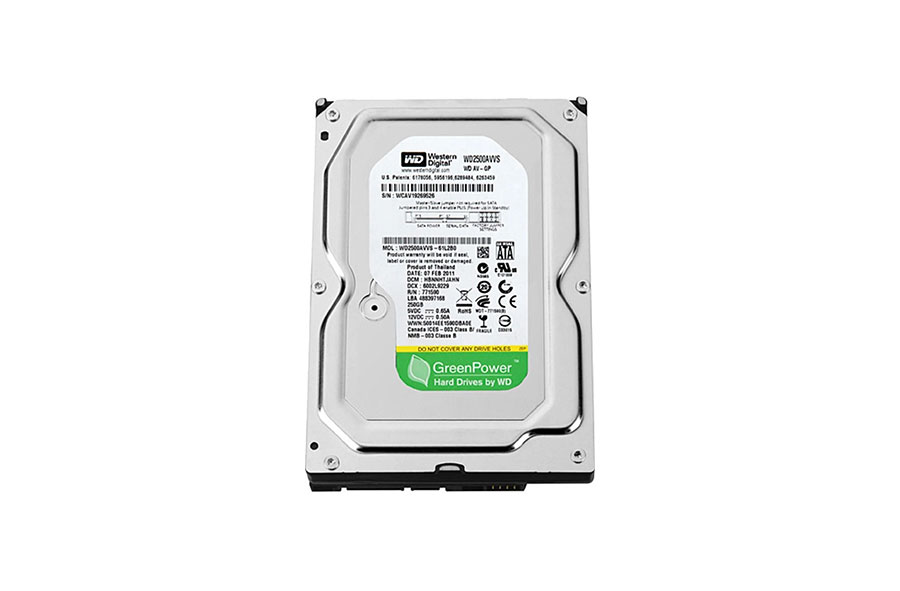
- Recording devices and disks are as important as cameras: if a surveillance-grade disk designed for continuous writing is not used, a desktop disk will fail within a few months. Additionally, the recording device itself should not be placed in a breakable location; it should be in a locked cabinet or separate room.
- A system without an uninterruptible power supply records nothing when power is cut for an intruder. A small portion of the camera budget should be allocated to a UPS.
Image recording is personal data under Law No. 6698 because it makes the person identifiable. Three things are required in practice: (1) a visible informational sign must be present at the entrance to the area monitored by the camera; (2) who will access the recordings must be determined in writing and access must be logged; (3) recordings must be retained for a limited period in line with the purpose and then deleted. Additionally, cameras should not excessively view neighboring parcels, residential windows, and public roads — this is the most common error regarding privacy protection. Cameras are not installed in areas where privacy is expected, such as changing rooms, bathrooms, and rest areas. When installing, we adjust camera angles according to this framework.
Frequently asked questions
Do I need to replace my cables when upgrading from my existing analog cameras to IP?
Not necessarily. There are converters (EoC) that carry IP signal over existing coaxial cable; they can be used to avoid cabling costs. However, in a new installation or if cabling is already being renewed, setting up IP directly with Cat6 and PoE is both cheaper and more capable. For gradual migration, hybrid recording devices accept both analog and IP cameras together.
How many megapixels should my camera have?
Megapixels alone is not an answer. What is decisive is how many pixels per meter you obtain at the distance where the target is located; this depends on the lens angle. A wide-angle 4K camera may provide less recognition capability than a narrow-angle 2 MP camera. The correct approach is: first determine the purpose (detection/observation/recognition/identification) and the width to be monitored, then select the lens and resolution accordingly.
How long should recordings be retained?
Legally, there is no fixed period for everyone; the principle is that it must be limited to the purpose. In practice, 15–30 days is common in residential compounds and workplaces; some sectors may have their own regulations requiring longer periods. Retaining recordings longer than necessary poses a risk under KVKK, while keeping them too short results in loss of the recording if an incident is discovered late.
Can I view the cameras from my phone?
Yes, mobile monitoring is standard in both analog and IP systems. The key concern here is security: instead of exposing the device directly to the internet, the manufacturer's cloud service or VPN should be used, and default passwords must be changed. Recording devices exposed to the internet with default passwords are among the most frequently compromised device groups in the world.
Is it worth buying an AI-powered camera?
Models that distinguish between humans and vehicles significantly reduce false alarms caused by leaf movement and shadows — in systems where alarms are actually monitored, this keeps the system usable. Facial recognition, however, is a different matter entirely: biometric data is specially qualified personal data and its installation creates separate legal requirements; we do not recommend it unless specifically requested.
Does a camera system prevent theft?
Visible cameras are a deterrent but not a barrier on their own. A camera records the event; an alarm system notifies of the event immediately. The configuration where both are installed together and the relevant camera image opens automatically when the alarm is triggered is the most effective solution in the field.