
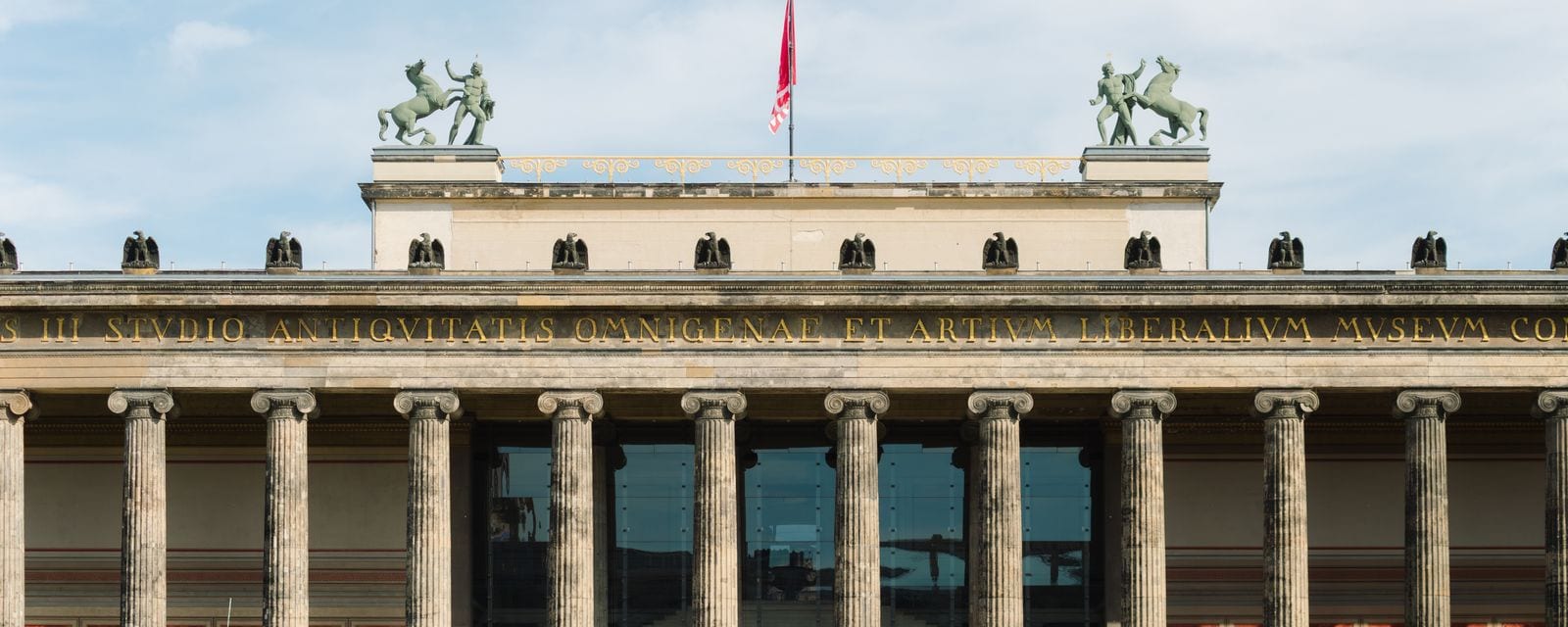
In a historic building, two constraints apply simultaneously: the fire load is very high (wood, textiles, paper) and physical intervention in the structure — running cables, drilling holes — is often not possible. The solution is detection that is invisible and requires minimal intervention.
Fire risks in this environment
- Very high fire load (wood, textiles, archives)
- Irreplaceable cultural asset loss
- Cabling and installation damaging the structure
- Aesthetic constraint — requirement that the device be invisible
- Damage to artifacts from water suppression
Regulations and standards
In addition to BYKHY, decisions of the protection board and listed building restrictions apply. The implementation must be designed without causing irreversible intervention to the structure.
Recommended technologies
Historic Building & Museum Fire Safety — the right solution combination and the reasons behind it.
Aspirated Detector (ASD)
Piping can be concealed; sample holes are very small. Provides very early detection.
Related products →Wireless Addressed Detection (EN 54-25)
Full addressed protection in buildings where cables cannot be run.
Related products →Beam Detector
In high ceiling halls and bays, linear detection without making the device visible.
Related products →Typical system architecture
In halls, ASD piping is installed in the cornice/concealed line; sample holes are inconspicuous. In areas where cables cannot be run, EN 54-25 wireless addressed devices are used. High bay beam detector is preferred. Gas suppression is configured in archive/storage areas.
Common field mistakes
- Opening cable ducts in the structure (may violate protection regulations)
- Selection of visible, aesthetically intrusive devices
- Planning water suppression in archives
- Relying on high bay point detector
Frequently Asked Questions
We cannot run cables in a historic building, what should we do?
EN 54-25 certified wireless addressed system or concealed piping aspiration detection (ASD) is used; both require minimal intervention in the structure.
How should suppression work in a museum?
To avoid damaging artifacts, clean gas suppression is preferred instead of water; compartment sealing and evacuation calculations are performed.
Historic Building & Museum Fire Safety — request a quote for your project
Engineering, installation, commissioning and maintenance — from a single source. Free site survey within Ankara.