
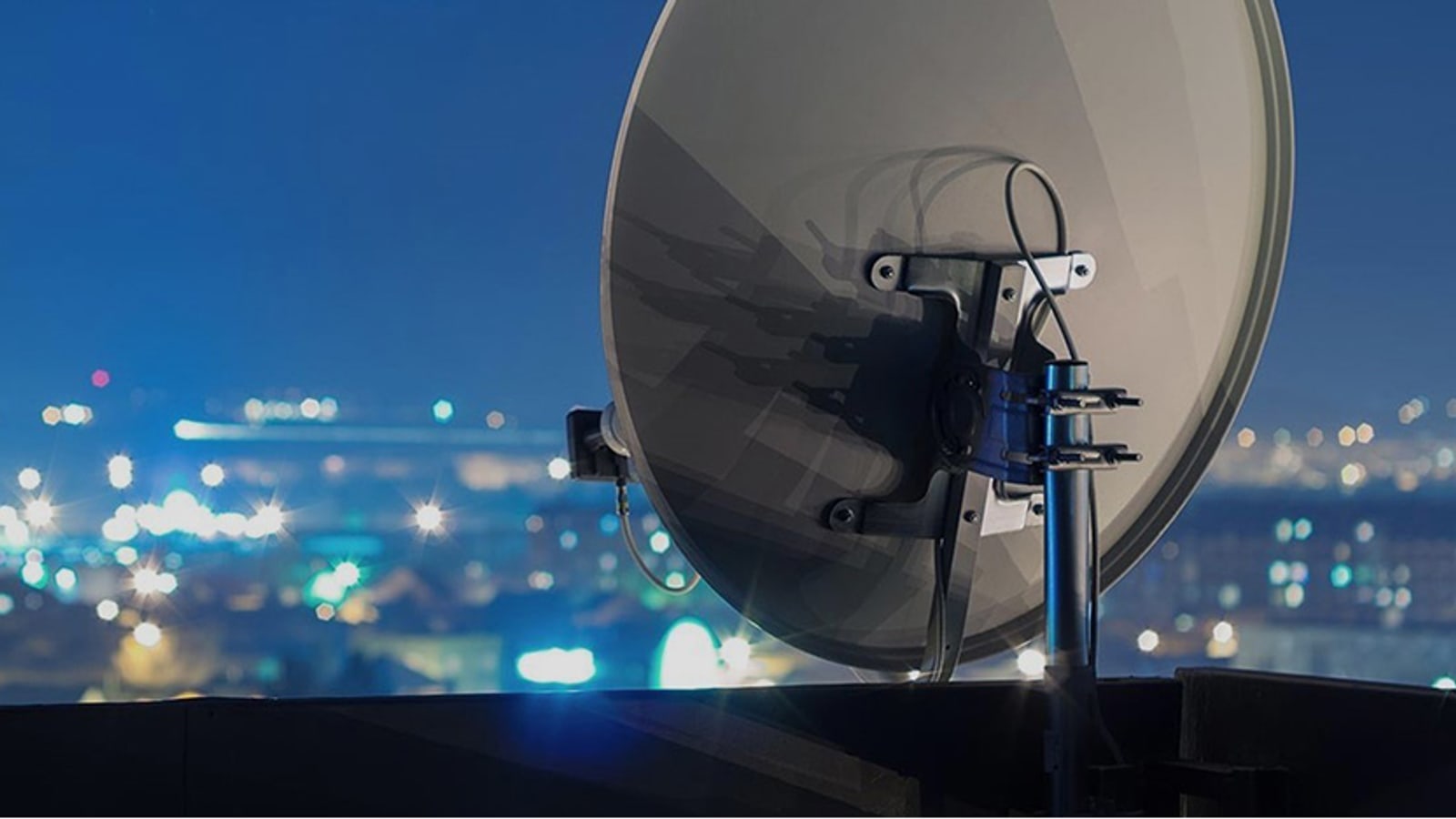
Centralized TV and satellite system: single system for all units instead of separate dishes for each apartment
In a centralized TV system, a single antenna and dish group is installed for the building, the received signal is amplified and distributed to each apartment via cable. Result: no dish clutter on the facade, each apartment receives signal of the same quality, and faults are resolved from a single point. This is the standard solution in new buildings and in sites where management plans prohibit facade alterations.





Selection guide and FAQ
System components
| Component | Function |
|---|---|
| Dish antenna + LNB | Collects satellite signal. A quattro LNB that provides all four polarizations simultaneously is used in centralized systems |
| Terrestrial antenna | Receives terrestrial broadcast (DVB-T2); combined with satellite signal and carried on the same cable |
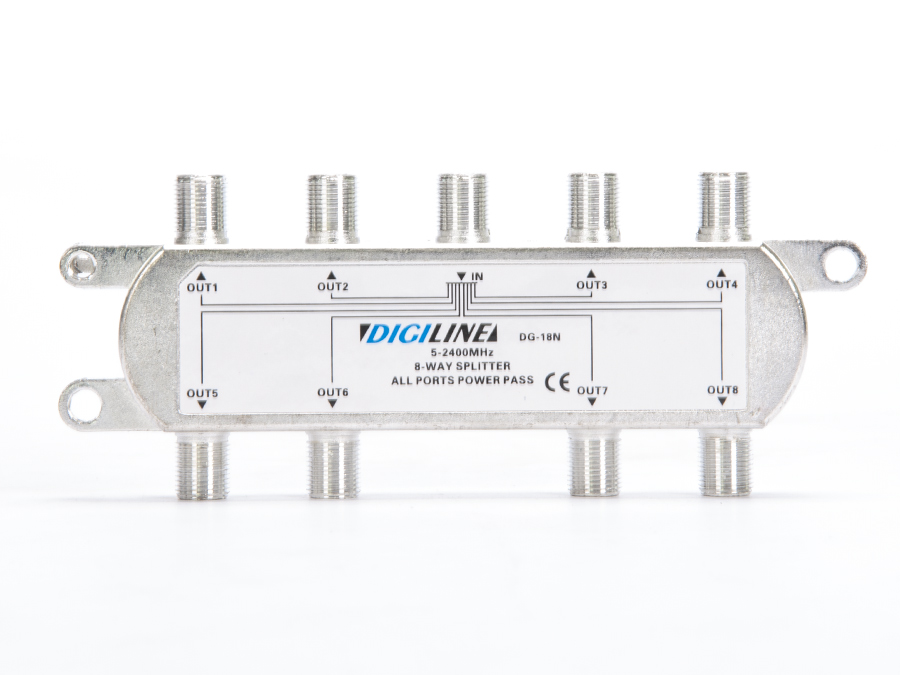
| Multiswitch | The heart of the system: distributes incoming polarizations to as many outputs as there are apartments, each apartment can independently select its desired channel |
| Cascade / line amplifier | Ensures the signal reaches upper floors in multi-story buildings without attenuation |
| Coaxial cable (RG-6/RG-11) | Carries signal from the headend to apartments; its quality is directly reflected in the picture |
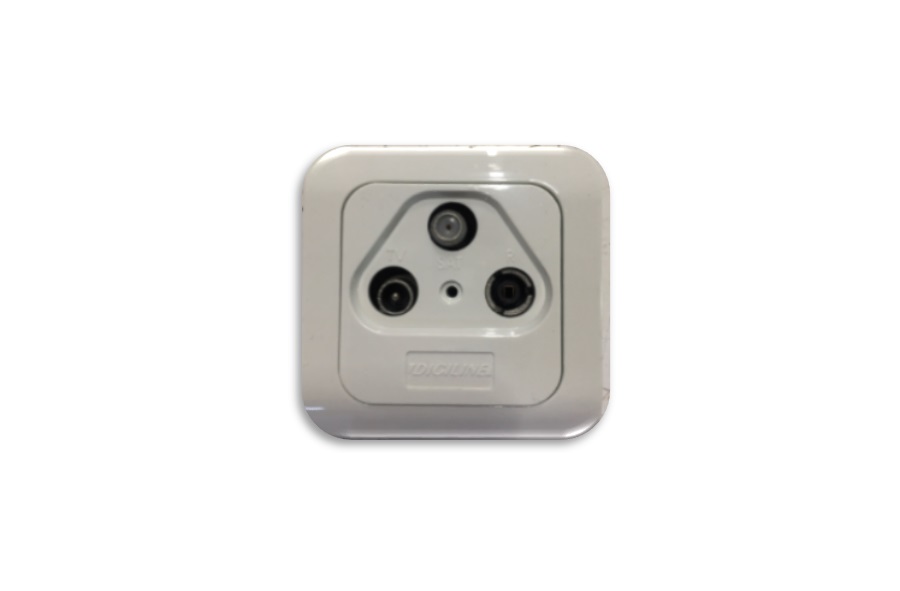
| Apartment internal TV outlet | Termination point. Separate outlet used for satellite and terrestrial output |
Conditions for proper installation
- System signal level is measured upon handover. "Picture is coming" is not sufficient: if signal level and quality values are near the limit, frame freezing will begin in rain or heat. During commissioning, measurement is performed at every apartment outlet.
- Multiswitch capacity is selected higher than the number of apartments; when apartments/floors are added later or an output fails, having spare outputs facilitates the work.
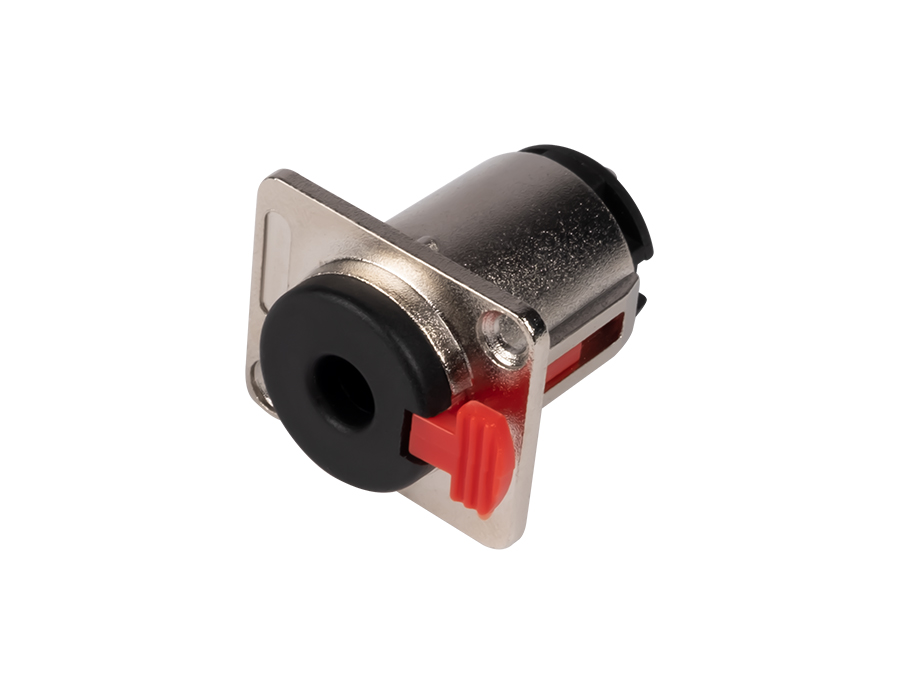
- 75 ohm termination resistors are installed on unused multiswitch outputs. An empty output causes reflections that propagate throughout the system and signal quality degradation — this is the most common deficiency we observe in the field.
- Cable quality is picture quality: thin, inadequately shielded cheap cables reduce signal especially on long runs and pick up noise from neighboring electrical lines. Thicker cable is preferred for long runs.
- Antenna mast and dish grounding must be performed. Overvoltage from lightning strikes puts all apartment televisions at risk in an ungrounded system.
- Dish orientation and location are selected taking into account that obstacles in front may grow over time; a growing tree or subsequently rising building can cut off signal years later.
- Broadcasting over the internet (IPTV) and central system do not exclude each other; in many buildings central antenna system for terrestrial and satellite, and internet infrastructure for broadcast platforms are used together.
Central system carries terrestrial and unencrypted satellite broadcasts to the building. Subscription to encrypted broadcast platforms, on the other hand, is a separate relationship established with the respective broadcaster; ASPEK is not a broadcast platform subscription vendor. The system we install provides the infrastructure to carry your subscribed platform's signal to the apartment; the subscription and decryption side is obtained from the broadcaster.
Frequently asked questions
Can each apartment watch a different channel?
Yes. In a multiswitch-based centralized system, each apartment has its own independent line and selects the desired channel without being affected by others. This was the major limitation of the old single-pole simple distribution systems and is no longer applicable.
Can it be installed in an existing building later?
It can be installed. The determining factor is whether there is duct/conduit infrastructure leading to the apartments. If empty conduit exists, cabling is relatively straightforward; if not, a solution is provided via conduit through the stairwell or facade. We determine this on-site during the survey.
What causes frame-by-frame freezing in the picture?
Most commonly, signal level or quality is at the threshold: LNB has aged, cable/connector is oxidized, open outlets are not terminated, or the line is too long. Sometimes the dish direction has shifted due to wind. A measurement device determines where the signal weakens; typically, a single component replacement solves it.
Is broadcasting over the internet instead of a dish not sufficient?
It may be for many users; however, all broadcasting stops during internet outages and terrestrial channels become dependent on subscription. The centralized antenna system operates independently of the internet. In practice, both are used together: the centralized system for base broadcasting, the internet for platforms.
Does it require maintenance?
Annual inspection is sufficient: dish direction, connector oxidation, cabinet internal connections, and signal level measurement. When these checks are performed, centralized systems operate trouble-free for many years.