
Fire suppression system selection: the occupancy determines the suppression agent
The correct choice in suppression systems depends on the type of fire and what is present in the protected space. Water is the cheapest and most effective suppression agent — but in a space with electrical panels and servers, the damage from water can be greater than from fire. A gaseous system leaves no residue — but in an occupied space, an evacuation scenario is required. This is why there is no single answer to the question "which system is better"; the correct question is "what will burn in this space and what damage will the suppression agent itself cause."


Selection guide and FAQ
System types and areas of use
| System | Where is it used | Caution points |
|---|---|---|
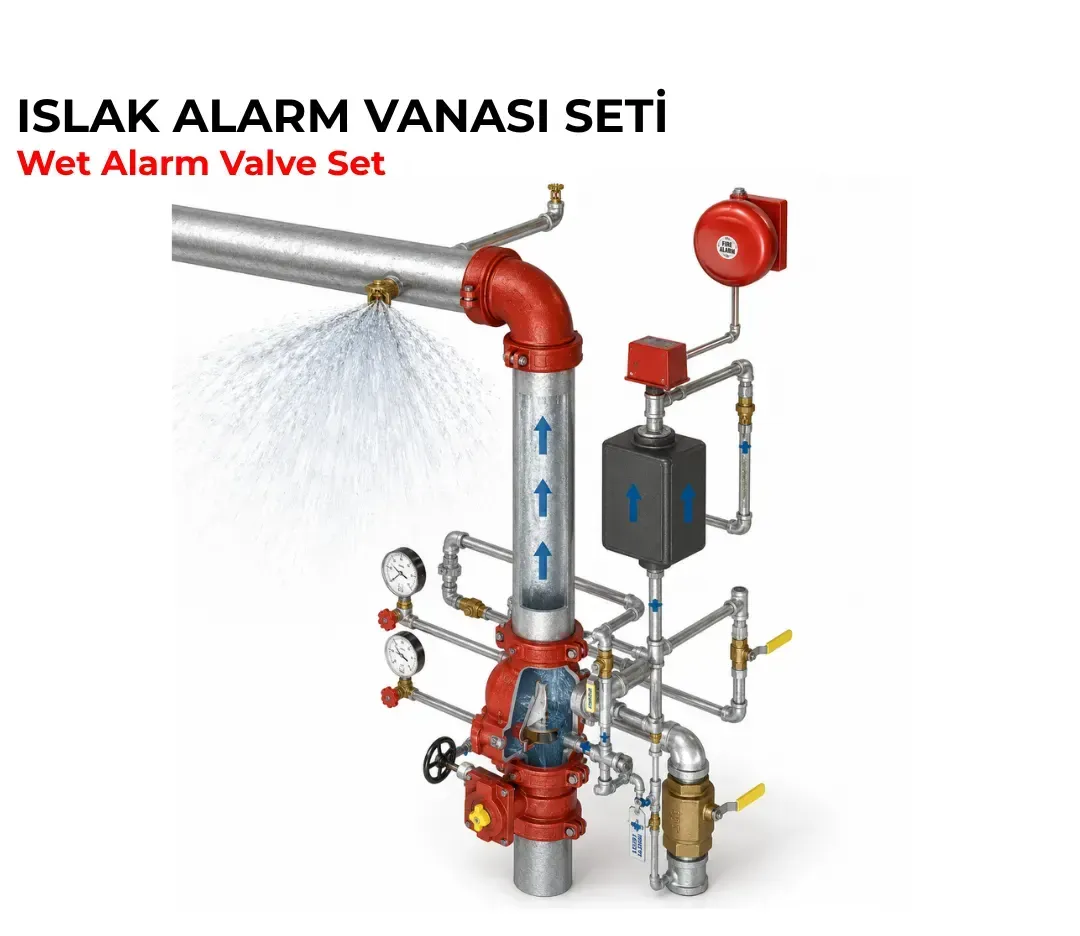
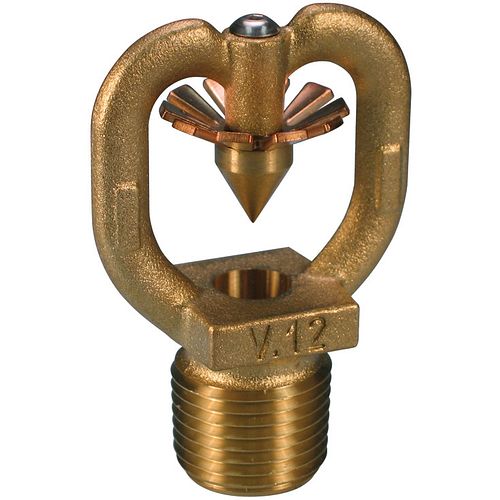
| Sprinkler (wet) | General purpose: shopping malls, hotels, warehouses, parking lots, high-rise buildings | Only heads above the fire open — not all at once. Water damage and freezing risk are addressed in design |
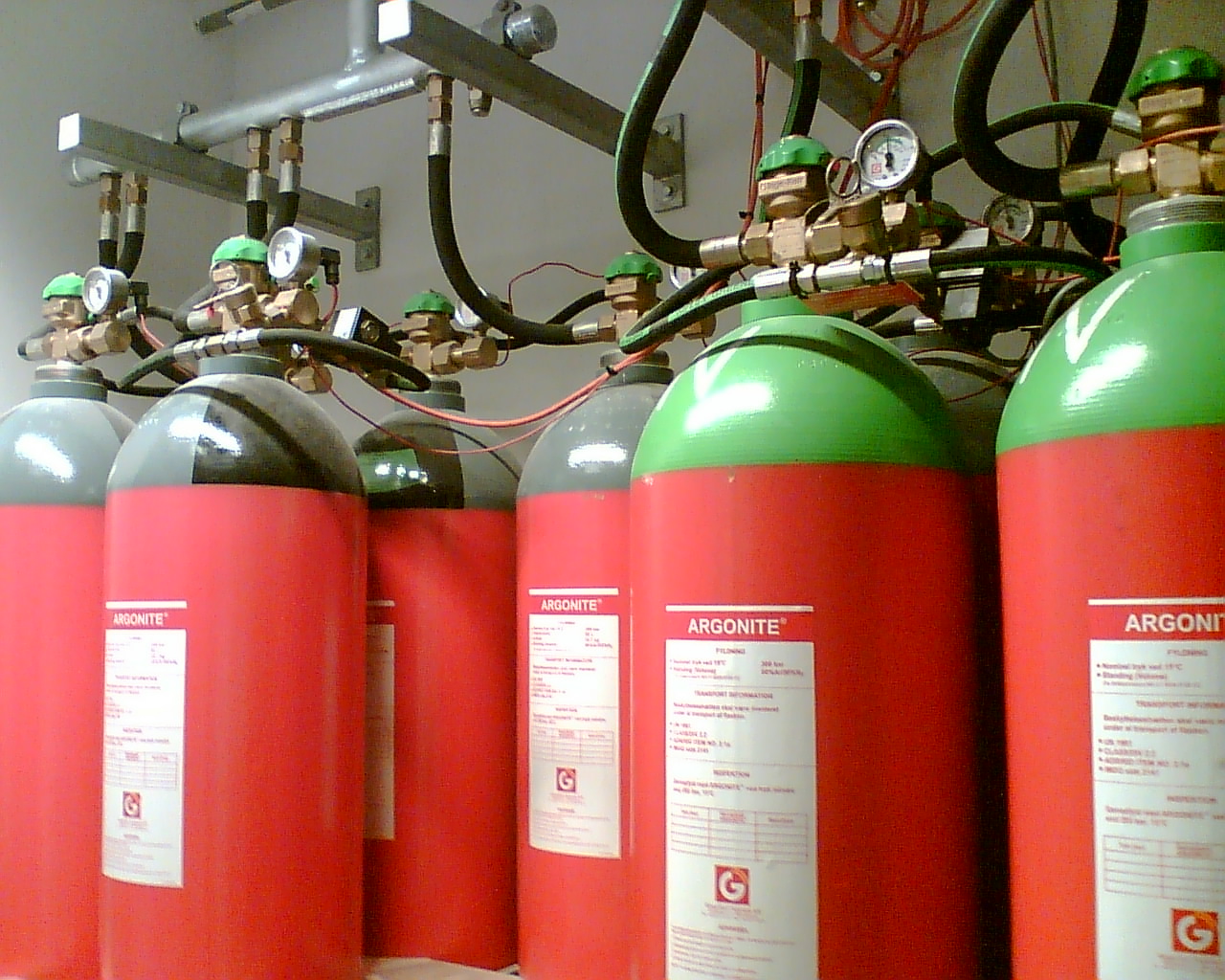
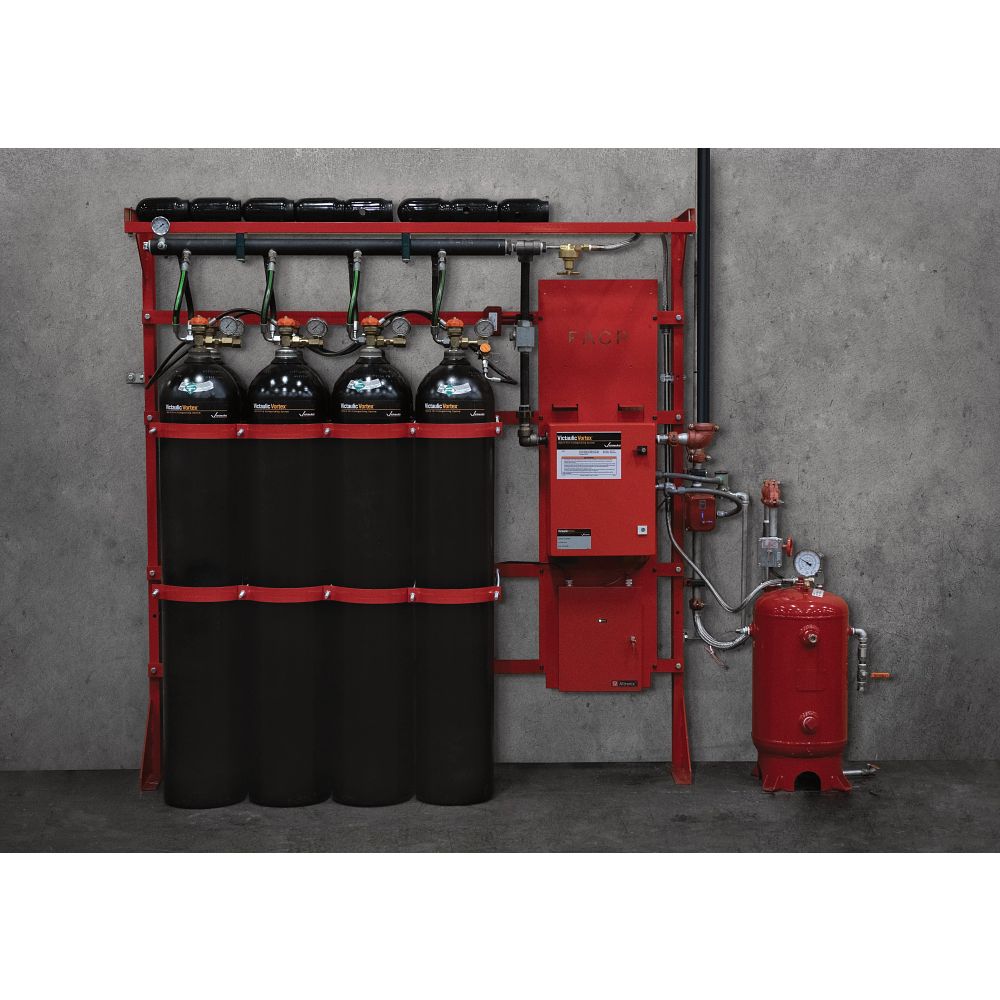
| Gaseous suppression (FM-200, NOVEC, inert) | Server room, control room, archive, museum | Leaves no residue. Gas containment requires room sealing and pressure relief damper — this is the most frequently overlooked item |
| CO₂ | Unmanned machine spaces, cabins | Not used in occupied spaces — it is asphyxiant. This limit is not subject to debate |
| Foam | Fuel tank, filling area, hangar | In locations where water alone is insufficient for flammable liquid fires; foam blanket covers the surface |
| Kitchen hood (wet chemical) | Commercial kitchen, fryer, cooking line | Closes gas valve together with suppression. Water must never be used in oil fires |
| Aerosol | Small and enclosed volumes, inside panels, generator | Requires no tubing and piping, generator is mounted inside the protected space; economical solution in confined areas |
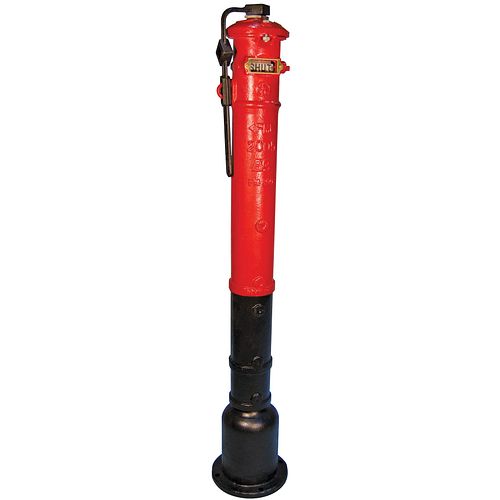
| Fire cabinet / hydrant | Buildings of any scale; initial response and fire department support | Piping installed without pressure and flow calculations will prove insufficient when needed |
Determining factors in suppression system design
- Suppression is a continuation of detection: what triggers the system is detection. In gaseous systems, the cross-zoning principle (approval from two separate zones) prevents gas discharge due to a single detector malfunction
- Enclosure airtightness is mandatory in gaseous systems: if suspended ceiling voids, cable penetrations, and door bottom gaps are not sealed, gas will not remain in the space for the required duration and fire will reignite. Airtightness testing is part of the design
- Without a pressure relief damper, gas discharge creates sudden pressure rise in the space and can damage walls/doors. Though seemingly minor, this component is essential for system operation
- In gas-protected areas where people are present, there is a countdown, audible-visual warning, and cancel button; evacuation time is provided before gas discharge.
- If the hazard classification (light/ordinary/high) is not correctly determined in the sprinkler system, the hydraulic calculation and consequently the pipe diameters, pump capacity, and water tank volume will be incorrect from the start.
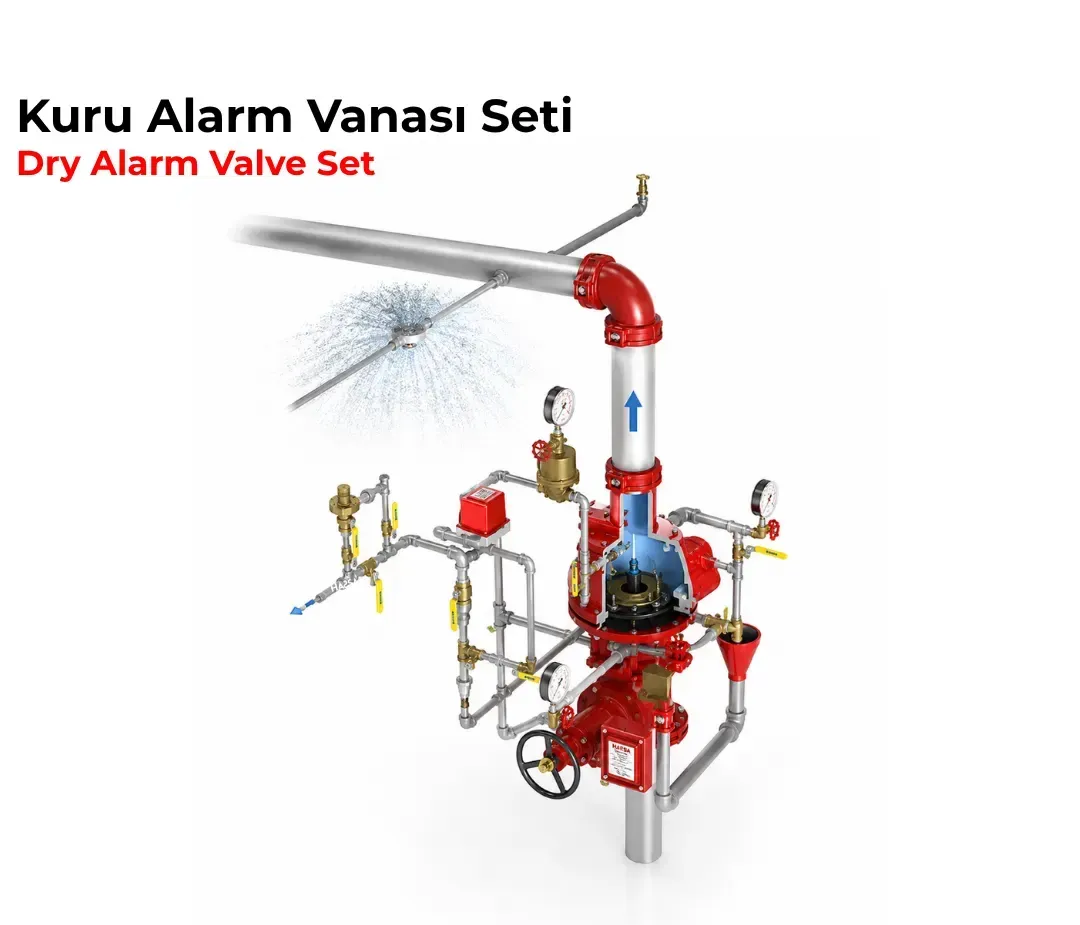
- In volumes at risk of freezing (open parking structures, cold storage), a dry system or pre-action system is selected instead of a wet system.
- Suppression systems shall be periodically tested together with pumps, valves, and flow switches; a fire pump that has not been operated for years may not function when needed.
We explain in detail in our Fire Suppression Systems guide the comparison of gas systems (FM-200, NOVEC, inert gases, CO₂), differentiation of sprinkler types (wet, dry, pre-action, deluge), bulb temperature classes, hazard classification, and hydraulic calculation with animated diagrams. A table showing which system should be used in which area is also included there.
Frequently asked questions
Should I install a sprinkler or gas system in my server room?
In server and panel rooms, a gas system is preferred: the suppression agent leaves no residue, does not damage equipment, and suppresses fire at an early stage. However, this requires ensuring room airtightness and installing a pressure relief damper; if these conditions cannot be met, the gas will not be contained in the room and the system will not deliver the expected result. In some projects, the building-wide sprinkler system is maintained, and the server room is additionally protected with a gas system.
Do all sprinkler heads open at once in a fire?
No — this is the most common misconception stemming from movies. Each head contains a glass bulb that bursts at a specific temperature, and only the heads heated by the fire open. This way, water damage is limited to the area where the fire is occurring.
Does a gas system harm people?
FM-200, NOVEC, and inert gases are designed for use in areas where people may be present at their design concentrations; nevertheless, a countdown, audible-visual warning, and cancel button are provided before gas discharge. CO₂ is different in this regard: due to its asphyxiant effect, it is not used in areas where people are present.
I have a fire extinguisher in my kitchen—is a hood suppression system also necessary?
In commercial kitchens, oil fires above fryers and cooking lines develop very rapidly, and manual intervention with an extinguisher is often too late; moreover, using the wrong extinguisher can spread the fire. A hood suppression system senses heat, sprays wet chemical from nozzles, and simultaneously closes the gas valve. In commercial kitchens, these two are not alternatives to each other.
In a building with a suppression system, is detection also required?
Yes. Gaseous, foam, and hood systems are already triggered by detection. Sprinklers open on their own through heat, but they do not alert occupants; it is the detection system that initiates evacuation and calls the fire department. The two systems complement each other.