
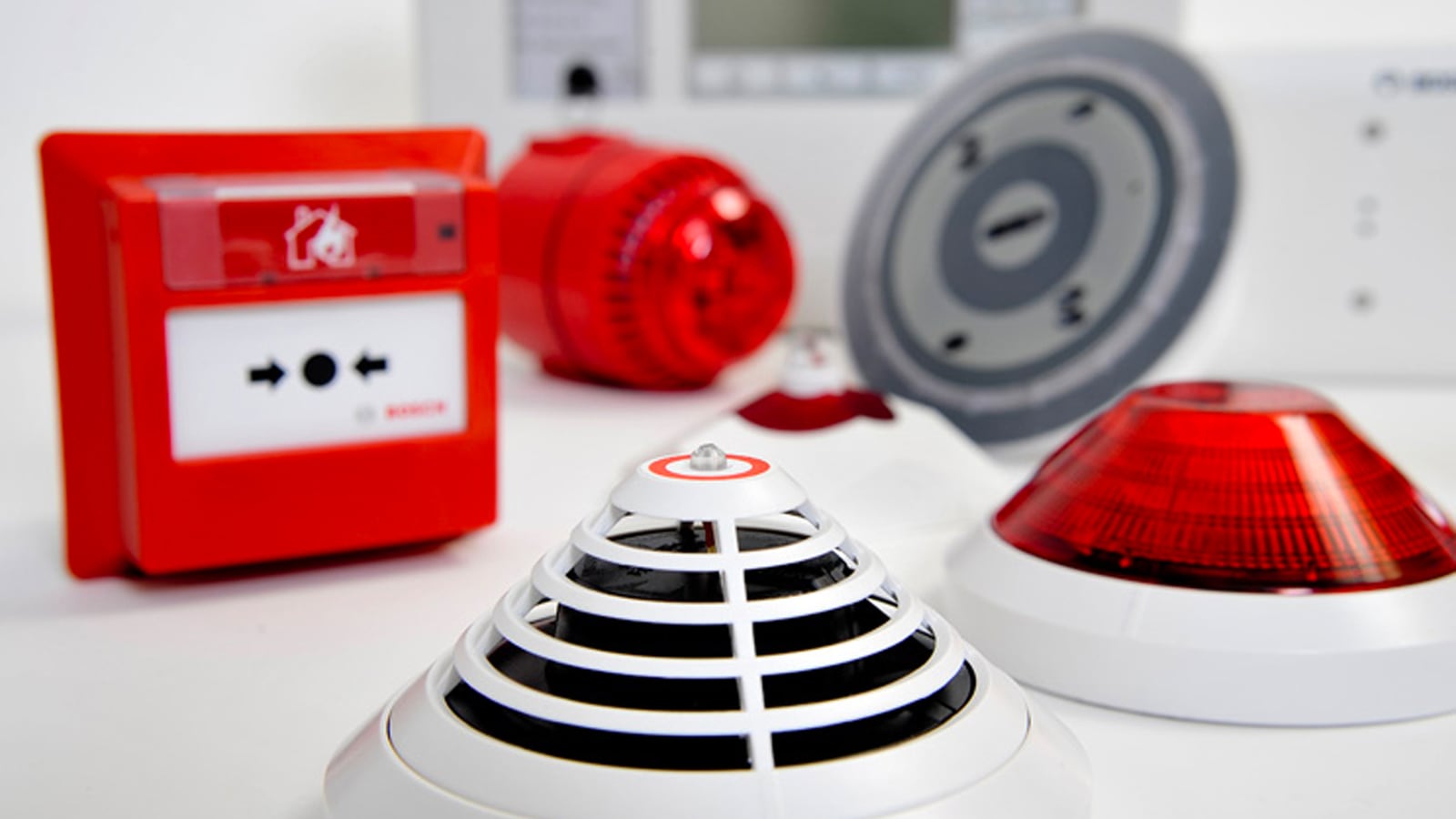
Fire detection system selection: addressable or conventional?
The first and most decisive decision in a fire detection system is the system architecture. In a conventional system, detectors are grouped by zones and the panel only says "alarm in zone 3"; in an addressable system, each device has its own address and the panel says "2nd floor, room 214, corridor detector." As the building grows, this difference translates into the time to locate the alarm and thus the response time.
Selection guide and FAQ
Addressable and conventional system comparison
| Topic | Conventional | Addressable (analog addressable) |
|---|---|---|
| Alarm resolution | Zone-based — all volumes in that zone are searched | Device-based — which detector it is is displayed on screen |
| Wiring | Separate line for each zone; cable quantity increases | Hundreds of devices on a single loop (circuit) |
| Fault detection | Zone level, limited | Contaminated or non-responding device is reported individually |
| Contamination compensation | None | Device sensitivity is monitored; when contamination threshold is exceeded, it issues a maintenance alert |
| Expansion | New zone = new line | Device is added to the loop, address is assigned |
| Cause-and-effect scenario | Limited | Flexible: which detector triggers which damper, elevator, door is defined individually. |
| Suitable for | Small office, single-story space, low-volume building. | Hotel, hospital, shopping mall, factory, high-rise building — in short, most commercial buildings. |
Detector selection: the premises determine the detector.
- Optical smoke detector is a general-purpose choice; it gives early warning in slowly developing smoky fires. It produces false alarms in areas with steam, dust, and exhaust.
- Heat detector does not sense smoke, it monitors temperature. It is used in places where smoke is normal, such as kitchens, boiler rooms, parking garages, and dusty production areas — but it provides later warning than a smoke detector.
- Multi-sensor detector (smoke + heat) evaluates both data together to reduce false alarms; it is preferred in places requiring both reliability and early warning, such as hotel rooms and offices.
- Beam (beam) detector is used in high-ceiling large volumes (sports hall, warehouse, atrium): a point detector would take too long to wait for smoke.
- Aspirating system (ASD) draws air through pipes and analyzes it; it is used in server rooms, clean rooms, and cold storage where very early warning is required or detector access is difficult.
- Linear heat detector (LHD) is a solution where the cable itself is the sensor: used in cable trays, conveyors, tunnels, and parking garages where protection is needed along the line.
- Flame detector sees smokeless and rapidly developing fires (fuel, solvent) within seconds; it is used in areas such as filling stations, generators, and hangars.
Fire detection is a topic too broad to fit into a single category text. You can refer to our Fire Detection Systems guide, where we explain the operating principles of addressable and conventional systems, loop structure, cabling rules, the EN 54 standard family, detector types, and the most common field errors using animated diagrams. We also have sections on Fire Suppression Systems for the suppression side, and NFPA and related standards for standards.
Frequently asked questions
Is a conventional system sufficient for my small business?
In small spaces with a single floor, limited number of zones, and where the alarm point can be quickly located, a conventional system is both adequate and more economical. As the number of floors increases, zones expand, and when there are many similar-looking spaces (hotel rooms, offices), it becomes necessary to switch to an addressable system — otherwise, finding which room triggered the alarm wastes time during an incident.
Can I convert my existing conventional system to addressable?
The panel and detectors need to be replaced; however, portions of the existing cabling can be evaluated in some cases. During the survey, cable cross-section, routing, and line continuity are checked. If the building is operational, we plan the transition section by section, so the system is never completely shut down at any stage.
How often should detectors be maintained?
Fire detection systems require periodic inspection and maintenance; common practice is that the entire system undergoes comprehensive testing at least once per year, with functional checks performed in between intervals. Addressable systems facilitate maintenance planning since they automatically report when a detector becomes contaminated. During periodic inspections, maintenance records are also requested, so we deliver test results documented.
How do we reduce false alarms?
The majority of false alarms stem from incorrect detector selection and incorrect placement: installing a smoke detector in a kitchen, placing a detector in front of an air conditioning vent or where shower steam reaches, for example. The solution is as follows: select the appropriate detector type for the area, correct placement, multi-sensor detectors if necessary, and in addressable systems, adjusting sensitivity according to day/night programming.